Washington, D.C.'s Metro is trying a cashless bus pilot that will last until December.


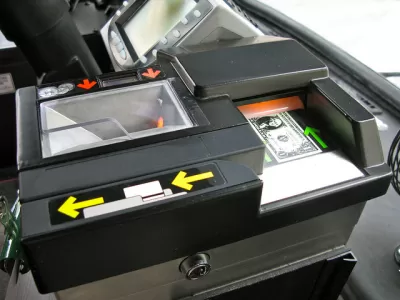
"Metro is set to ban cash payments on the 79 limited-stop route along Georgia Avenue, between the Silver Spring Transit Center and Archives-Navy Memorial, starting June 24. It’s part of a pilot program meant to speed up bus trips that is drawing some concerns from riders," Max Smith reports for WTOP. This pilot program will last until December and could spread to other bus lines if the agency decides the pilot is a success. By eliminating cash, Metro is hoping to shrink "dwell times," or the amount of time the bus stands stationary at stops while riders board and pay fares.
The new policy will not effect most riders. "About 3 percent of riders — 200 people each day — use cash just on Route 79, Metro said, while another 6 percent of riders add value to their SmarTrip cards," Max reports. But a lack of access to credit may be why those who do not pay with a credit or debit card use cash. This would make it difficult for them to make the switch. While some grocery stores and pharmacies will be able to accept cash payments for transit fares, stops and buses would not be able to take cash payments.
FULL STORY: Metro’s cash-free bus pilot aims to speed up trips, but some riders worried

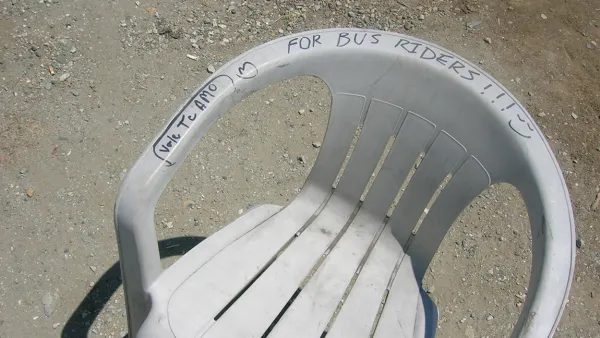
Federal Infrastructure Funding a Rare Opportunity to Improve the Nation’s Bus Shelters
Transit systems faced with decreasing ridership could accommodate access to the most widely available form of transit by building bus shelters. The federal infrastructure bill provides a big opportunity to do so.
Opinion: To Increase Equity, Make Buses Free
With buses as a dominant transport mode for low-income households and "essential workers," free fares would increase access to economic opportunities and free up limited income for cash-strapped commuters.
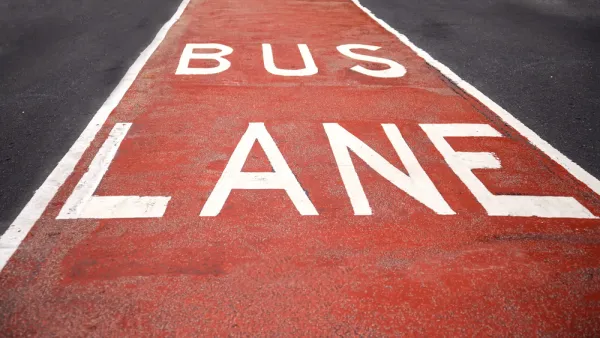
Bus Lanes Arriving on Busy D.C. Street
D.C. is eliminating 74 parking spots on 14th Street NW to make space for dedicated bus lanes and a new protected bike lane.

The state-sanctioned urbicide of Austin
People don’t kill cities. Freeways do.

US to reduce Colorado River water deliveries to Mexico
A new Colorado Treaty amendment reduces Mexico’s Colorado River water allocation by 250,000 acre feet.

New Jersey’s second-largest city bans standalone data centers
Jersey City will continue to allow co-location facilities, such as those meant for research institutions that store their own data.

Amtrak not solely to blame for New Jersey commuter rail's unreliability, report finds
A new study from the Garden State Initiative found that NJ Transit’s budget grew 20% across a 4 year period, but reliability declined significantly over the same period.

EPA erases limits on planet-warming pollution from power plants
Under Monday’s plan, power plants would still have some limits on how much mercury, arsenic and other contaminants they can emit.

Phoenix announces new on-demand transit service, more frequent RAPID buses
Both new services will launch in October, and are part of Phoenix's Project Effective Access Solutions for Easing Congestion.

FREE Course: Walkable City 1: Why Walkability?
After describing his path towards focusing on walkability as the essence of good planning, Jeff Speck marches through his five principal reasons for making more walkable places.
Reinventing Malls: Planning Alchemy—Turning Gray Fields Into Gold
The course focuses on the opportunities and imperatives that shape reinvention of mall sites.

Eagle County Government
Harvard University Graduate School of Design
Nashville Planning Department
The Architects Foundation
University of Cincinnati Online
The Pocatello Development Authority
The Urban Renewal Agency of the City of Pocatello
Journal of the American Planning Association