Some of the least expensive electricity in the country can be found in Upstate New York, where cryptocurrency miners are starting to set up shop—with or without local approval.


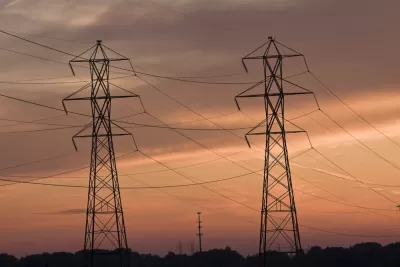
One not entirely intuitive fact about virtual currency is that it requires an enormous amount of actual electricity to produce it.
That's why, Sarah Holder writes at CityLab, cryptocurrency mining operations are showing up, sometimes without warning, in out-of-the-way American towns—at least when those towns are in proximity to large hydroelectric dams.
This has been going on for some time in Washington State, and more recently in the far reaches of New York State.
Reception of the cryptocurrency outfits in these towns has been mixed. Plattsburg recently effected a moratorium on Bitcoin mining, in part because it used enough electricity to drive up rates for other customers.
But the more economically struggling Messena, where a company called Coinmint originally set up illegally in an abandoned building, is less inclined to kick them out. Though, as Holder writes, the economic benefits of these companies are far from proven ("[t]he computers can kind of do their thing without much prodding from operators") when the local economy has suffered some major losses, officials say it’s better than nothing."
FULL STORY: Small Towns Try to Tame the Bitcoin Boom


New York Temporarily Bans Crypto-Mining
Could New York State’s ban on the energy-intensive activity foreshadow similar actions in other parts of the country?
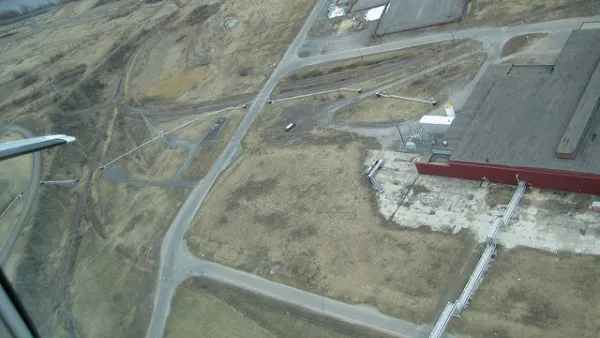
Bitcoin Mining as Economic Development
The New York Power Authority is considering a new kind of economic development scheme.
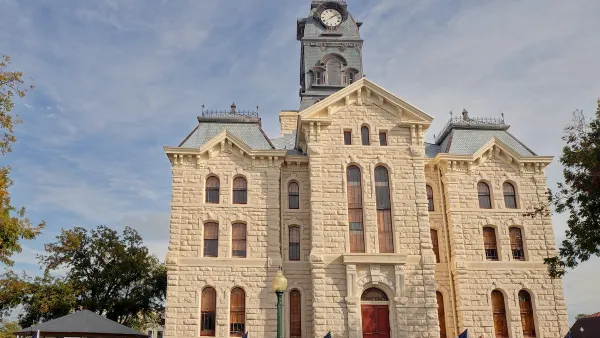
Rural Texans are Forming a City to Fight a Noisy Crypto Facility
In the face of state inaction, residents of an unincorporated community want to take matters into their own hands to limit the noise from a bitcoin mining operation.

Planetizen Federal Action Tracker
A weekly monitor of how Trump’s orders and actions are impacting planners and planning in America.

The state-sanctioned urbicide of Austin
People don’t kill cities. Freeways do.

US to reduce Colorado River water deliveries to Mexico
A new Colorado Treaty amendment reduces Mexico’s Colorado River water allocation by 250,000 acre feet.

5 New England states march closer to 800 megawatt wind energy project
Securing federal approval for the project may be complicated under the Trump administration, which has historically been hostile towards domestic wind power.

Baltimore to break ground on $50 million Transit Priority Project
The project will bring faster bus trips, safer streets and better bike connections to Baltimore.

Airbnb launches $250 million 'last-dollar financing' housing accelerator, makes first investment in Austin
The company will put $6.4 million towards affordable housing development in Texas’ capital.

FREE Course: Walkable City 1: Why Walkability?
After describing his path towards focusing on walkability as the essence of good planning, Jeff Speck marches through his five principal reasons for making more walkable places.
Reinventing Malls: Planning Alchemy—Turning Gray Fields Into Gold
The course focuses on the opportunities and imperatives that shape reinvention of mall sites.

Eagle County Government
Harvard University Graduate School of Design
Nashville Planning Department
The Architects Foundation
University of Cincinnati Online
The Pocatello Development Authority
The Urban Renewal Agency of the City of Pocatello
Journal of the American Planning Association