Check the fuel source before making any assumptions.


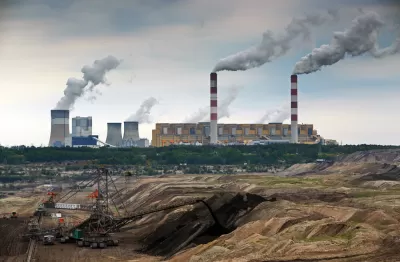
Rob Smith surveys the world's countries for information on the sources of energy powering the electricity grid to determine where electric cars are actually as green as they aspire to be.
"However, electric vehicles are not emissions-free. While these vehicles obviously run on electricity, that electricity typically comes from a mix of emissions-intensive fossil fuels, nuclear energy, and power from renewables," explains Smith. On one side of the spectrum in emissions free electricity production is Norway, "which generates virtually all of its electricity from hydropower." On the other side of the spectrum is China, where the electric vehicle market accounts for 40 percent of global sales. But since China relies so much on coal power, those are also the world's most emissions-intensive electric cars. Smith presents a pair of infographics to reveal the emissions attached the electric vehicle fleets in countries around the world.
Smith raises the question as sales of electric cars are booming around the world. According to the 2017 Global Electric Vehicle report by the International Energy Agency (IEA), car companies manufactured two million electric cars and sold more than 750,000 electric cars around the world in 2016. "The report predicts electric car stocks will range from between nine million and 20 million by 2020 and between 40 million and 70 million by 2025," writes Smith.
Read the full story: The surprising truth behind the world's electric cars


Swapping your gas car for an EV is greener than keeping it, research shows
An EV repays the 'carbon debt' caused by building it after 4,400 miles.

Florida wants to shift its entire EV charger budget to air taxi 'vertiports'
FDOT argues the private sector is already building out the state's fast-charging infrastructure, so the state could redirect those funds elsewhere.
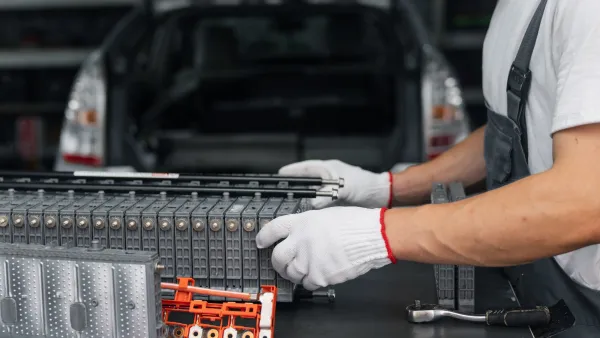
EV battery waste threatens to overwhelm China's recycling system
The county processed over 400,000 metric tons of EV battery waste last year.

Planetizen Federal Action Tracker
A weekly monitor of how Trump’s orders and actions are impacting planners and planning in America.

The state-sanctioned urbicide of Austin
People don’t kill cities. Freeways do.

US to reduce Colorado River water deliveries to Mexico
A new Colorado Treaty amendment reduces Mexico’s Colorado River water allocation by 250,000 acre feet.

Nation's most wind-powered state turns to coal as data centers increase energy demand
For the first time in decades, Iowa has increased its generation of coal power.

NYC cools commuters with city's first rain garden above a bus stop
New York City officials say the plants in the rain garden can absorb 16 gallons of rainwater during heavy storms.

Brightline West’s future may rely on $6 billion federal loan
The company has until Nov. 2 to make a $400 million equity investment into its proposed high-speed rail line.

FREE Course: Walkable City 1: Why Walkability?
After describing his path towards focusing on walkability as the essence of good planning, Jeff Speck marches through his five principal reasons for making more walkable places.
Reinventing Malls: Planning Alchemy—Turning Gray Fields Into Gold
The course focuses on the opportunities and imperatives that shape reinvention of mall sites.

Greater Baltimore Committee
Eagle County Government
Harvard University Graduate School of Design
The Architects Foundation
University of Cincinnati Online
The Pocatello Development Authority
The Urban Renewal Agency of the City of Pocatello
Journal of the American Planning Association