More transit agencies are recognizing that it's not enough to build transit infrastructure if the people who really need it don't live close enough to use it.


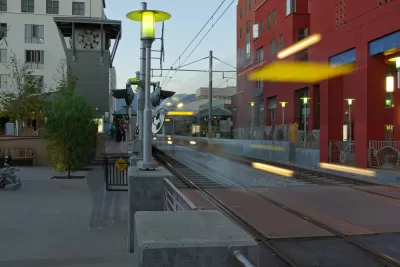
According to an article on the TransitCenter website, transit agencies in Los Angeles and Seattle are "testing strategies to encourage affordable development near transit."
In Los Angeles, the Los Angeles County Metropolitan Transportation Authority "is providing $9 million to developers at a low interest rate to build affordable housing within a half mile of transit lines" through its MATCH Loan Program. The California Endowment and local Community Development Financial Institutions donated enough to that pot of money to bring the total to $75 million.
In Seattle, "Sound Transit has begun deeply discounting property sales to make affordable housing projects pencil out." According to the article, "Washington State passed a new statute in 2015 – tied to the 2016 passage of the transit ballot measure ST3 – stipulating that Sound Transit must begin considering affordable housing outcomes in its capital projects."
The article includes a lot more detail from each of these two case studies, which have fundamental differences and critical lessons for other transit agencies looking to better connect housing options to transit options.
FULL STORY: Affordable Housing: A Next Frontier for Transit?

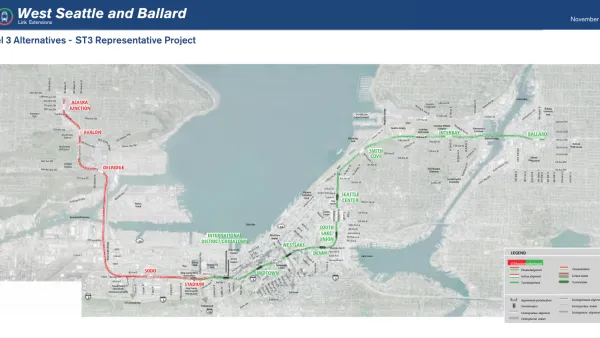
Alternatives Explored for West Seattle and Ballard Light Rail Extensions
Plans to extend the Sound Transit light rail system are moving forward. Elected officials have a big choice to make that will determine the cost and scope of the projects.
Checking in on the Progress of the Sound Transit 3 Plan
The Seattle area's $53.8 billion transit expansion plan is moving along in fits and starts.
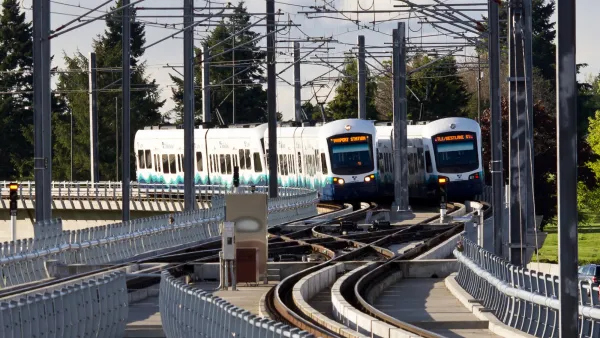
The Northgate Link Extension Is Great, But Voters Want More
A recent survey of Seattle voters finds widespread support for the continued expansion of the Link light rail system in Seattle.

The state-sanctioned urbicide of Austin
People don’t kill cities. Freeways do.

US to reduce Colorado River water deliveries to Mexico
A new Colorado Treaty amendment reduces Mexico’s Colorado River water allocation by 250,000 acre feet.

New Jersey’s second-largest city bans standalone data centers
Jersey City will continue to allow co-location facilities, such as those meant for research institutions that store their own data.

Amtrak not solely to blame for New Jersey commuter rail's unreliability, report finds
A new study from the Garden State Initiative found that NJ Transit’s budget grew 20% across a 4 year period, but reliability declined significantly over the same period.

EPA erases limits on planet-warming pollution from power plants
Under Monday’s plan, power plants would still have some limits on how much mercury, arsenic and other contaminants they can emit.

Phoenix announces new on-demand transit service, more frequent RAPID buses
Both new services will launch in October, and are part of Phoenix's Project Effective Access Solutions for Easing Congestion.

FREE Course: Walkable City 1: Why Walkability?
After describing his path towards focusing on walkability as the essence of good planning, Jeff Speck marches through his five principal reasons for making more walkable places.
Reinventing Malls: Planning Alchemy—Turning Gray Fields Into Gold
The course focuses on the opportunities and imperatives that shape reinvention of mall sites.

Eagle County Government
Harvard University Graduate School of Design
Nashville Planning Department
The Architects Foundation
University of Cincinnati Online
The Pocatello Development Authority
The Urban Renewal Agency of the City of Pocatello
Journal of the American Planning Association