Or even Netflix, for that matter.


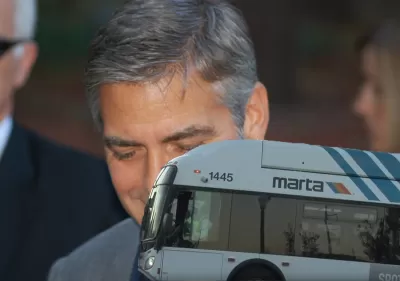
An article by Jenna Fortunati digs into the lack of transit trips movies and television shows—you're far more likely to see wealthy people driving in cars as a plot device or even less wealthy people choosing a taxi ride over a subway trip.
"What gives? Cars aren’t the only way – or the best way – to get around, especially in cities," writes Fortunati. "And even though things are starting to change, TV shows and movies are overwhelmingly car-centric, just like our culture. So why does Hollywood insist that the car is king?"
The answer to that question, according to Fortunati, is one part the difficulty of filming on transit and a second part product placement. "Product placement is no laughing matter, and car manufacturers are the field’s deft masters," writes Fortunati. "With almost half of millennials opting out of traditional TV in favor of streaming, product placement within a TV show itself is becoming more viable than commercials."
For more information on the difficulties of filming, which go far beyond the obvious, click through to the source article.
Read the full story: Two barriers that keep pop culture from embracing public transportation

The Pop Culture Verdict: Transit Is Hip
Several decades ago, public transit was a distinctly low-quality way of getting around. Now, if we can believe TV and movies depicting the near future, all that has changed. Transit has become aspirational.
The unsung bureaucrat: Planners in film and TV
Is there anything sexy about urban planning?

New Film, Set on a Philly Bus, Celebrates the Magic of the Latino Community
The Latino community gathers on a bus, and joy ensues, in the new short film "La Guagua 47."

Planetizen Federal Action Tracker
A weekly monitor of how Trump’s orders and actions are impacting planners and planning in America.

Washington state to charge fee to drivers with fuel-efficient cars
Revenue from the fee will go towards supporting the state’s highways.

Illinois considers spending $1 billion in taxpayer money on data center
A quantum computing campus and data center are currently under construction in Chicago.

‘Demolition of our heritage:’ Some US tribes speak out against BAAJA
A coalition of indigenous groups in the United States are concerned about provisions in the bill that may weaken their ability to halt large energy projects.

How LA’s new mayor plans to tackle affordable housing crisis
Mayor-elect Nithya Raman has proposed overhauling the city’s permitting process.

Interactive map reveals Pennsylvania's abandoned oil, gas wells — many on residential property
It is difficult for residents to know if a well is near their home, or if it poses a threat to them.

FREE Course: Walkable City 1: Why Walkability?
After describing his path towards focusing on walkability as the essence of good planning, Jeff Speck marches through his five principal reasons for making more walkable places.
Reinventing Malls: Planning Alchemy—Turning Gray Fields Into Gold
The course focuses on the opportunities and imperatives that shape reinvention of mall sites.

City of Charlotte
City of Rosemead
Rutgers University, Edward J. Bloustein School of Planning and Public Policy
University of Michigan School for Environment and Sustainability (SEAS)
Hunter College, City University of New York (CUNY)
The Architects Foundation
University District Partnership