A co-curricular program at a Philadelphia medical school integrates public health and city planning.


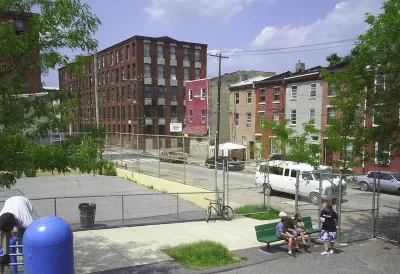
The links between health and urban design have been studied since modern cities began to rise, and contemporary research has continued to chart the impacts of noise pollution, air quality, access to nature, and proximity to highways or major streets on physical and mental health. But only since 2015 has there been a university program combining medical practice, public health, and city planning to take a holistic view toward wellbeing in cities.
The JeffDESIGN program at Thomas Jefferson University Medical School has as its mission to "design healthier cities, find more efficient ways to deliver care and develop the next generation of medical devices." In a feature on Next City, Bill Bradley describes student projects ranging from mapping the inefficiencies of hospital layouts to designing a better playground by monitoring how kids play.
Launched in February 2015, the program focuses on a broad range of design applications aimed at impacting real people’s health, from 3D printing that will help improve surgery to redesigning the physical space of hospitals. Most importantly, it’s about exploring the ways infrastructure, community and the built environment can have a positive impact on health.
FULL STORY: These Future Doctors Are Learning How to Influence Urban Design

How Urban Design Impacts Public Health
With more and more people living in cities, designing equitably healthy urban spaces becomes a key question for policymakers.
Where Urban Design And Public Health Intersect
As the pandemic emphasized, the way we design our cities can have lasting impacts on residents' health and wellness.
How the Built Environment Impacts Public Health
New research sheds light on how the brain responds to urban environments and architecture.

Planetizen Federal Action Tracker
A weekly monitor of how Trump’s orders and actions are impacting planners and planning in America.

The state-sanctioned urbicide of Austin
People don’t kill cities. Freeways do.

US to reduce Colorado River water deliveries to Mexico
A new Colorado Treaty amendment reduces Mexico’s Colorado River water allocation by 250,000 acre feet.

Guerilla urbanists are building DIY bus stop benches in Chicago
A before-and-after of one of the bus stops with a new bench. The new benches are not officially sanctioned or permitted, but the residents who placed them hope they will be the start of a network of DIY benches across the city.

Mamdani overhauls NYC's Vision Zero plan with 100 new policy goals
The overhaul aims to reduce traffic deaths and make streets safer for pedestrians, cyclists and drivers through lower speed limits, new safety infrastructure and more.

Amtrak not solely to blame for New Jersey commuter rail's unreliability, report finds
A new study from the Garden State Initiative found that NJ Transit’s budget grew 20% across a 4 year period, but reliability declined significantly over the same period.

FREE Course: Walkable City 1: Why Walkability?
After describing his path towards focusing on walkability as the essence of good planning, Jeff Speck marches through his five principal reasons for making more walkable places.
Reinventing Malls: Planning Alchemy—Turning Gray Fields Into Gold
The course focuses on the opportunities and imperatives that shape reinvention of mall sites.


Eagle County Government
Harvard University Graduate School of Design
Nashville Planning Department
The Architects Foundation
University of Cincinnati Online
The Pocatello Development Authority
The Urban Renewal Agency of the City of Pocatello
Journal of the American Planning Association