The Neuse River is returning to its natural state.


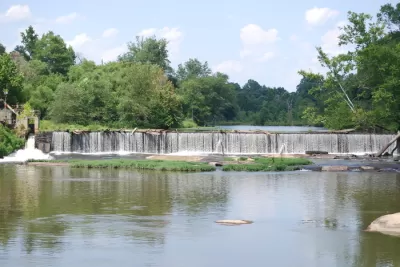
"Less than two weeks after workers began clawing away at it, the Milburnie Dam is gone, and the Neuse River is flowing freely through Raleigh for the first time in centuries," reports Richard Stradling.
The dam was built in 1900 for electric power, "creating what was essentially a narrow six-mile-long lake on the east side of Raleigh."
Raleigh-based company Restoration Systems is spending millions to remove the dam and restore the river to its natural state, but the freedom of the Neuse River comes at a cost. "The company will make that back by selling mitigation credits to governments or developers who are required to compensate for destroying streams and wetlands elsewhere," according to Stradling.
"Its largest customer… will likely be the N.C. Department of Transportation, which will in essence pay to restore six miles of the Neuse River to partially make up for the streams and other habitat it will destroy in building N.C. 540 across southern Wake County in the coming years," according to Stradling.
Read the full story: Raleigh’s Milburnie Dam is gone, unleashing the Neuse River

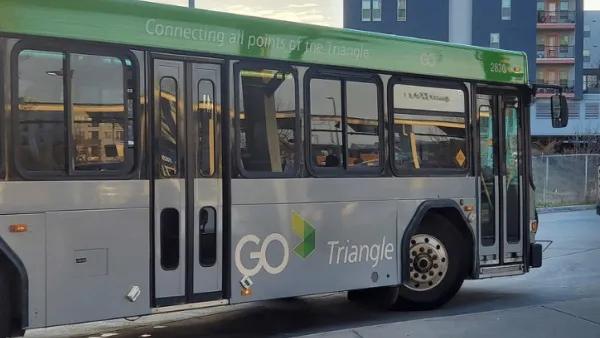
North Carolina Triangle transit ridership jumped 32% in April
Rising gas prices are prompting more Americans to consider public transit, where it's available.
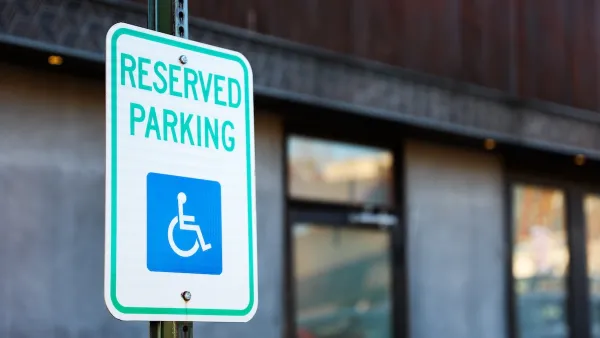
Raleigh Pilots App-Based Feedback Program for Accessible Parking
The city is using the program to collect real-time information about accessibility issues and correct them quickly.
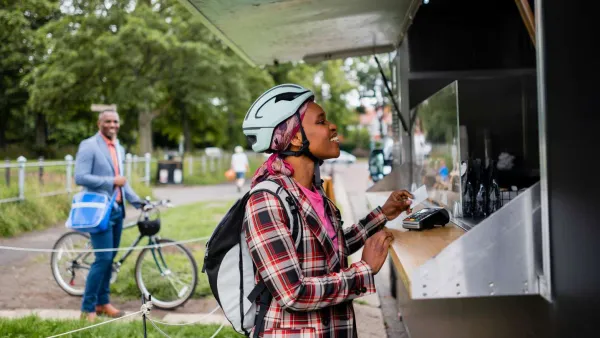
Raleigh Launches Greenway Food Truck Pilot to Enhance Park Experiences
Raleigh’s new Greenway Food Truck Pilot Program brings local food vendors to popular greenway locations to enhance park experiences, support small businesses, and encourage community use of public spaces.

Planetizen Federal Action Tracker
A weekly monitor of how Trump’s orders and actions are impacting planners and planning in America.

The state-sanctioned urbicide of Austin
People don’t kill cities. Freeways do.

US to reduce Colorado River water deliveries to Mexico
A new Colorado Treaty amendment reduces Mexico’s Colorado River water allocation by 250,000 acre feet.

Nation's most wind-powered state turns to coal as data centers increase energy demand
For the first time in decades, Iowa has increased its generation of coal power.
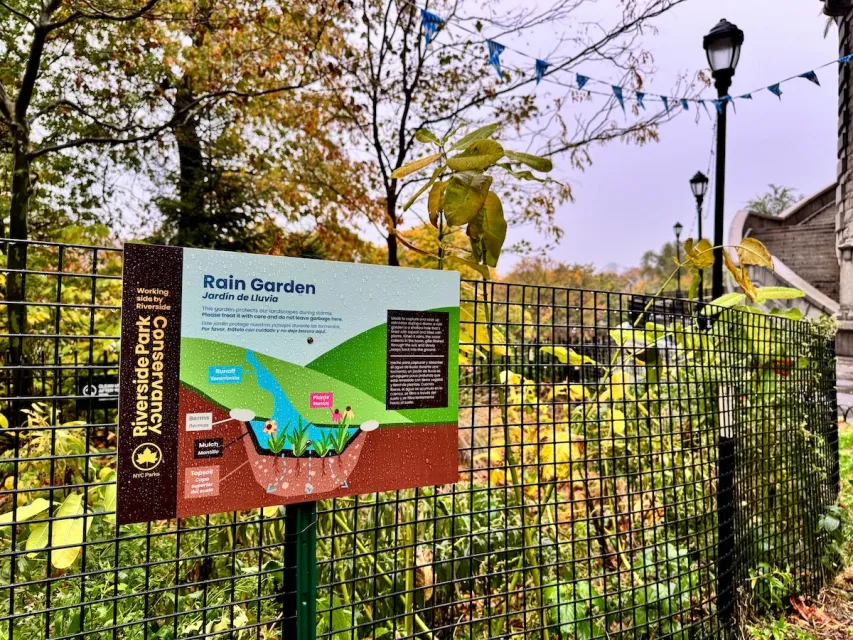
NYC cools commuters with city's first rain garden above a bus stop
New York City officials say the plants in the rain garden can absorb 16 gallons of rainwater during heavy storms.

Brightline West’s future may rely on $6 billion federal loan
The company has until Nov. 2 to make a $400 million equity investment into its proposed high-speed rail line.

FREE Course: Walkable City 1: Why Walkability?
After describing his path towards focusing on walkability as the essence of good planning, Jeff Speck marches through his five principal reasons for making more walkable places.
Reinventing Malls: Planning Alchemy—Turning Gray Fields Into Gold
The course focuses on the opportunities and imperatives that shape reinvention of mall sites.

Greater Baltimore Committee
Eagle County Government
Harvard University Graduate School of Design
The Architects Foundation
University of Cincinnati Online
The Pocatello Development Authority
The Urban Renewal Agency of the City of Pocatello
Journal of the American Planning Association