An era of multi-family construction is expected to slow as the housing market recalibrate, according to analysis in Bloomberg.


The multi-family development market is slowing from the pace that helped the economy break out of the Great Recession nearly a decade ago, according to an article by Shobhana Chandra, Vince Golle, and Jordan Yadoo.
Writing for Bloomberg, the trio of reporters identifies a softening in the multi-family segment as the single-family market is expected to build momentum.
Commerce Department data released last weekend showed "completions of multifamily units in October reached the fastest annualized rate in almost three decades," according to the article. Now that so many new multi-family units are coming on line, "the number of multifamily units authorized but not yet started also is cooling as builders attempt to calibrate the supply."
The article includes additional warning signs for the multi-family market as well as discussion about the potential consequences of the market trends. Renters will be happy to hear, for instance, that "an adequate supply of apartments -- both ready and in the pipeline -- could eventually put downward pressure on rental prices…" Other parties that stand to benefit from a softer multifamily market include single-family homebuilders, which are currently hampered by a tight labor market.
Read the full story: Once-Hot Apartment Construction Cooling as U.S. Housing Engine
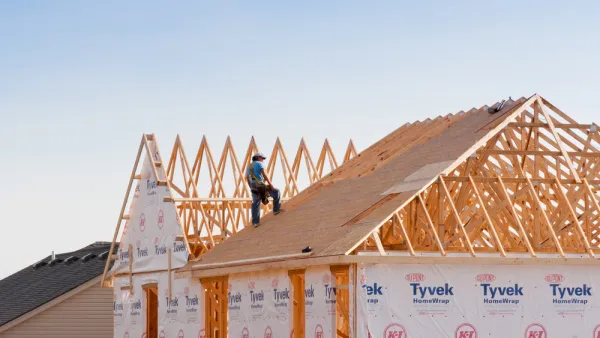
Single-Family Homes Appearing Faster Than Any Year Since 2006
The housing construction market is responding to strong demand with a glut of new single-family homes.
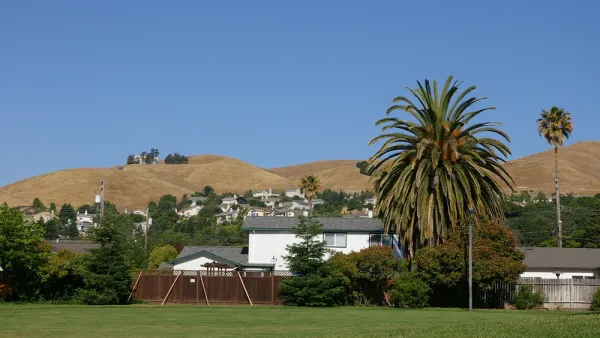
A Call for Action as Construction Slows in California
An editorial by the Los Angeles Times calls for the state to remove barriers to housing shortage after a report finds declining numbers of residential permits around the state.
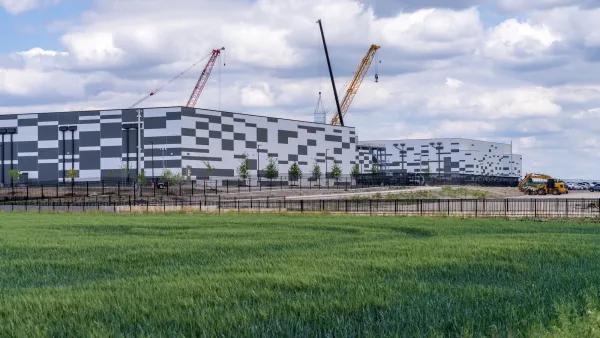
Texas data centers' demand for electricians is delaying housing construction by 2 months
Data center projects are drawing away many of the state's electrical workers with higher wages that homebuilders can't afford to pay.

Planetizen Federal Action Tracker
A weekly monitor of how Trump’s orders and actions are impacting planners and planning in America.

California plans to bury El Niño’s downpour
If the state plays its cards right, it may be able to store a billion acre-feet of El Niño’s water in aquifers.

Desperate measures: Advocates weigh draining Lake Powell to fill Colorado River
Draining the reservoir could reduce evaporation losses by a couple hundred thousand acre-feet.

Chicago voters approve permanent festival grounds, penalty for vacant property owners
Currently, major summer and fall festivals take over public parks for weeks at a time, drawing criticism from nearby residents

NYC votes to cut outdoor dining red tape, speed up permitting
New York City also voted to allow the Department of Transportation to begin work on urgent projects before notifying elected officials.

California appears to reject Prop. 45
The proposition would have expanded the projects that qualify for a streamlined environmental review, effectively paring down the California Environmental Quality Act.

FREE Course: Walkable City 1: Why Walkability?
After describing his path towards focusing on walkability as the essence of good planning, Jeff Speck marches through his five principal reasons for making more walkable places.
Reinventing Malls: Planning Alchemy—Turning Gray Fields Into Gold
The course focuses on the opportunities and imperatives that shape reinvention of mall sites.

City of Rosemead
Rutgers University, Edward J. Bloustein School of Planning and Public Policy
One Hundred Miles
Hunter College, City University of New York (CUNY)
The Architects Foundation
University of Cincinnati Online
City of Cambridge
Montrose County
The Pocatello Development Authority