Anoka, Minnesota decided it has enough rental housing.


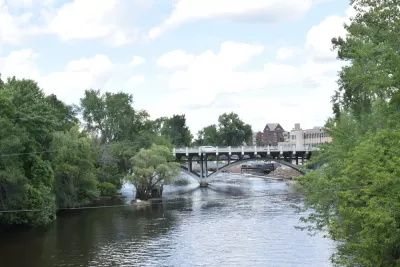
Renters account for 48 percent of households in Anoka, which has a total population of 17,000.
That high ratio of renters to homeowners "rivals even Minneapolis and St. Paul" according to an article by Hannah Covington, "and has spurred city leaders in the historic river town to take action."
Anoka has halted all new constructing of multi-family housing for a year.
"The Anoka City Council this week passed a moratorium on building or expanding rental housing.," reports Covington. "The move coincides with the city’s efforts to update its comprehensive plan and reflect on its future housing makeup. The temporary ban also comes at a time when the apartment vacancy rate across the metro remains tight, hovering under 3 percent."
According to Covington, most communities in the suburbs near Anoka are choosing the opposite path and allowing for new apartment developments.
Read the full story: Concerned about its housing stock, Anoka hits the brakes on new rentals
Washington Could Legalize 'Missing Middle' Housing Statewide
A proposed bill in the Washington state legislature that would legalize more multi-family housing in the state could add hundreds of thousands of units to the state's strained housing stock.
Survey: Seattle-Area Residents Support Upzoning
To fight the growing housing crisis, most King County residents support an end to single-family zoning and accelerated housing development, according to a new poll.
Jersey City Building More Apartment Than Manhattan
And other perhaps surprising data from the multi-family housing development industry.

Planetizen Federal Action Tracker
A weekly monitor of how Trump’s orders and actions are impacting planners and planning in America.

California plans to bury El Niño’s downpour
If the state plays its cards right, it may be able to store a billion acre-feet of El Niño’s water in aquifers.

Desperate measures: Advocates weigh draining Lake Powell to fill Colorado River
Draining the reservoir could reduce evaporation losses by a couple hundred thousand acre-feet.

Housing is the top priority of Seattle’s sole new councilmember
Jenks campaigned on building 1,000 new units of affordable housing.

New tax cuts may slash $1.5 billion in funding for Miami transit, public parks
Amendment 3 will save Miami-Dade homeowners $2,700 in 2028.

Arizona, Wisconsin, Pennsylvania hope to finally advance climate goals post-midterms
The three states have spent years under Republican or divided control.

FREE Course: Walkable City 1: Why Walkability?
After describing his path towards focusing on walkability as the essence of good planning, Jeff Speck marches through his five principal reasons for making more walkable places.
Reinventing Malls: Planning Alchemy—Turning Gray Fields Into Gold
The course focuses on the opportunities and imperatives that shape reinvention of mall sites.

City of Rosemead
Rutgers University, Edward J. Bloustein School of Planning and Public Policy
One Hundred Miles
University of Michigan School for Environment and Sustainability (SEAS)
Hunter College, City University of New York (CUNY)
The Architects Foundation
City of Cambridge
Montrose County
The Pocatello Development Authority