Exclusives

BLOG POST
Do Seniors Need Cars?
One common argument against road diets and other pro-walkability policies is that seniors need cars more than anyone else. Is this claim borne out by data?
FEATURE
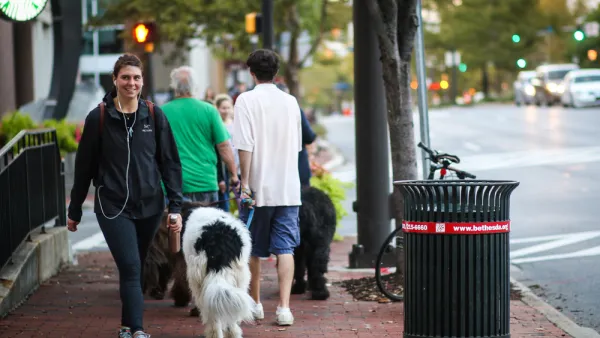
Walkable Suburbia
It's not impossible to reshape the suburbs to be more walkable, but it does require careful planning and design.
BLOG POST
Dynamic Planning for Affordability
Conventional planning is static, designed to lock in existing land use patterns. We need more dynamic planning to respond to changing household needs and community goals.
FEATURE
The Local Journalists Who Keep City Planning in the News
Planetizen's 2018 "Top Twitter" list focuses on the local journalists who work hard to keep planning projects and processes in the public eye.
BLOG POST
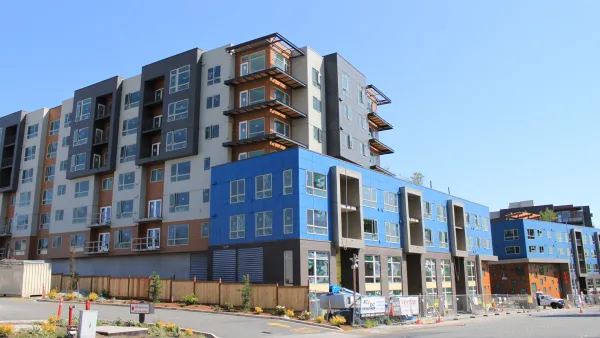
How Filtering Increases Housing Affordability
Good research indicates that building middle-priced housing increases affordability through "filtering," as some lower-priced housing occupants move into more expensive units, and over time as the new houses depreciate and become cheaper.

BLOG POST
Review: The Divided City
In the Rust Belt, neighborhood decline is much more significant than gentrification.

BLOG POST
The Role of Urban Planners in Flood Preparation
Blogger Kayla Matthews examines the many challenges planners face in preparing for the extreme weather and flooding caused by climate change.
BLOG POST
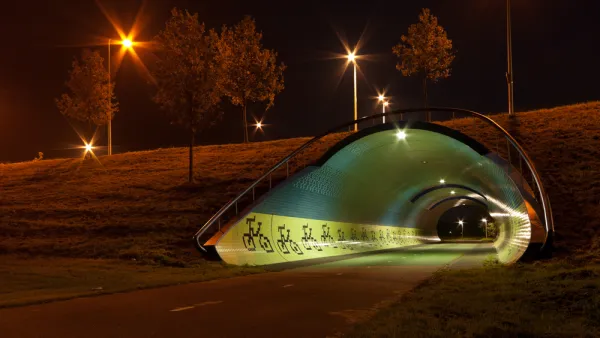
Changing Travel Behavior: We Are Traveling Less, and More
We are in perhaps the most dynamic period with respect to changes in travel behavior in the past 50 years. Chose your data wisely.
FEATURE
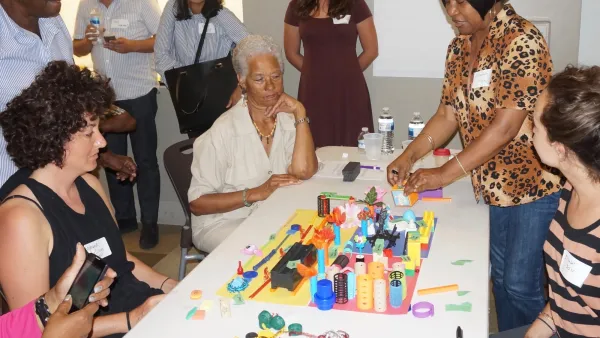
Empowered Through Design: How a Purposefully Rudimentary Activity Sparks the Imagination
Memory can be an intensely powerful tool when planning for the future.
BLOG POST
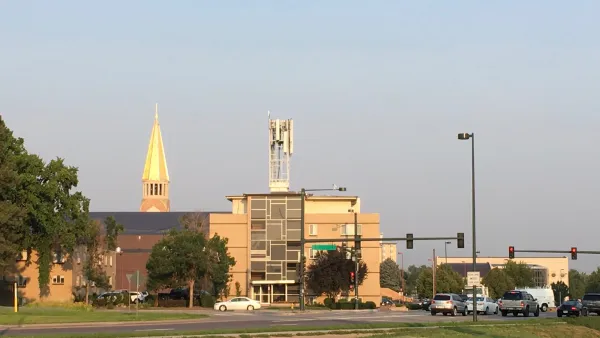
Planning, Placemaking, and the Public Good
What responsibilities does an urban university engaged in the act of master planning have to the city of which it is a part, and to the greater public good?

BLOG POST
'Move to Buffalo' Is No Excuse
One common argument against building new housing in high cost cities is that people priced out of those cities can always move somewhere cheaper. This post responds to that claim.
BLOG POST
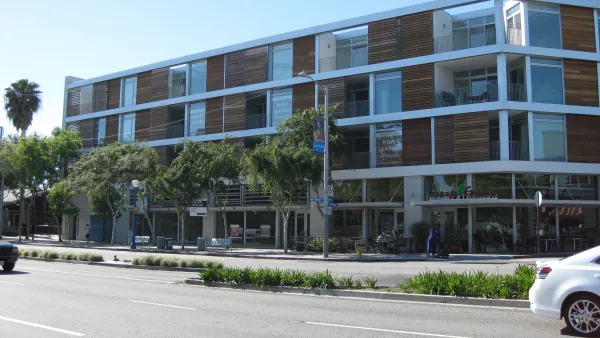
Affordability Trade-offs
Strategies for increasing affordability often involved trade-offs between various goals and impacts. It is important to consider all of these factors when evaluating potential solutions to unaffordability.
BLOG POST
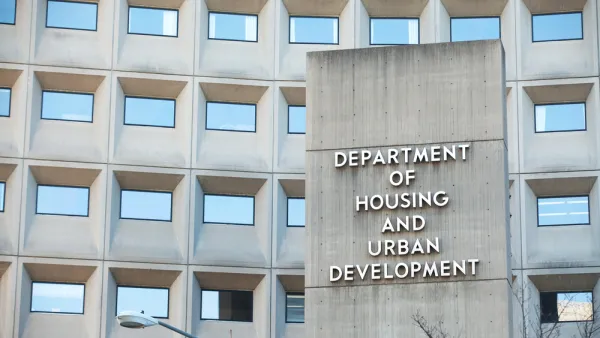
HUD Took a Strong Stance Against Local Control and Hardly Anyone Noticed
Earlier this year, the U.S. Department of Housing and Urban Development devoted an entire issue of a quarterly newsletter to land use regulations and the idea that local laws are strangling the nation's supply of affordable housing.

BLOG POST
Reducing Cities' Carbon Footprints
There is more than one way for a city to systematically reduce it carbon footprint.

BLOG POST
The Buses Aren't As Empty As You Might Think
Most buses are not empty enough to justify substitution of smaller vehicles.
FEATURE
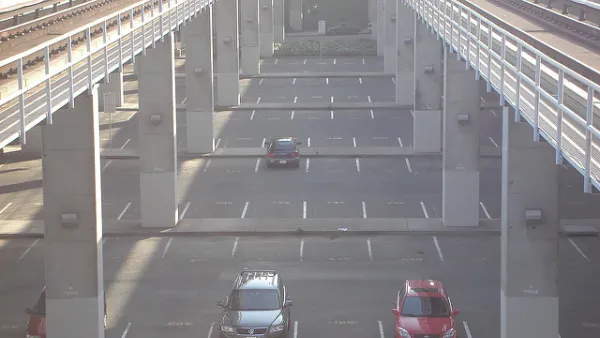
Book Review: Shoup Passes the Torch With 'Parking and the City'
Parking and the City features Shoup at his witty best, accompanied by a group of passionate collaborators for the cause of rational parking regulations. The future of parking reform is in good hands.

BLOG POST
Resumes and Cover Letters for Future Planners
A number of entry-level planners make tactical choices that lessen their chances of landing the best possible job. If you see yourself in these, please take note.
BLOG POST
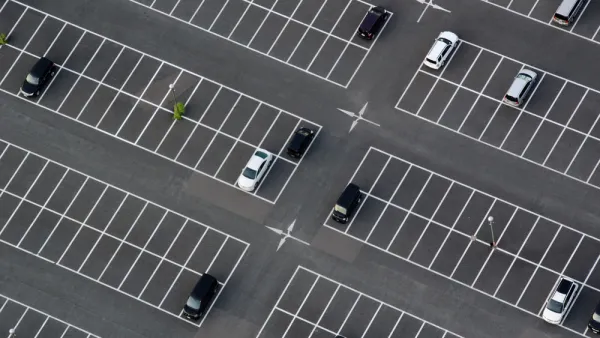
Parking Planning Paradigm Shift
More efficient parking management can benefit everybody, including motorists, businesses, residents, and any planner who becomes an expert on this subject, as I can report from experience.

BLOG POST
Learning From Europe: Part 2 (Or, You Can't Have It All)
It is indeed possible to have a city full of low-rise buildings that is still compact enough for excellent transit service—but only if most side streets are used for mid-rise buildings instead of houses.
FEATURE
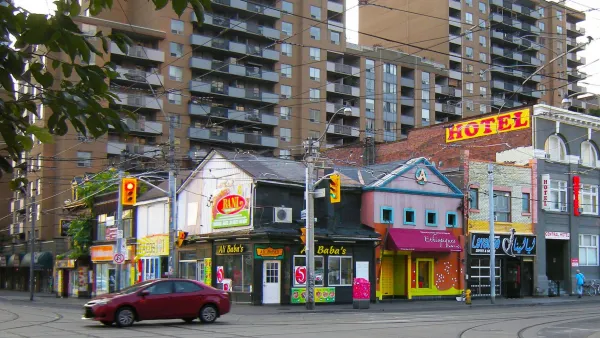
Eyes from the Street – A Finer Filter
Evidence described here suggests that urban design for "eyes on the street" is not enough to lower crime.
Harvard University Graduate School of Design
KFH Group Inc.
Greater Baltimore Committee
The Architects Foundation
University of Cincinnati Online
The Pocatello Development Authority
The Urban Renewal Agency of the City of Pocatello

FREE Course: Walkable City 1: Why Walkability?
After describing his path towards focusing on walkability as the essence of good planning, Jeff Speck marches through his five principal reasons for making more walkable places.
Reinventing Malls: Planning Alchemy—Turning Gray Fields Into Gold
The course focuses on the opportunities and imperatives that shape reinvention of mall sites.