Environment
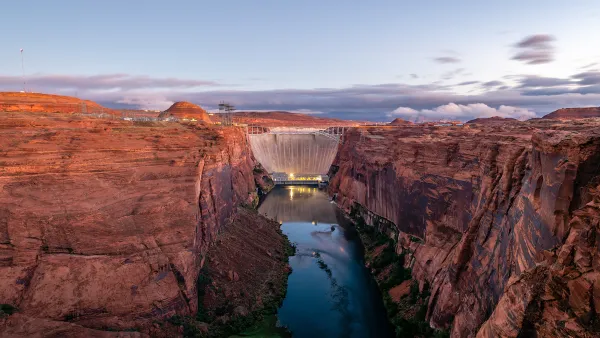
The Life and Death of American Dams
Many of the nation’s largest dam projects are reaching the end of their useful lives, helped along by nature.
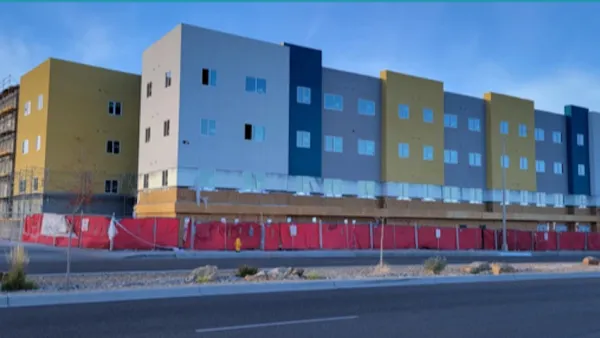
State Trust Lands Offer Opportunity for Affordable Housing
Western states that hold millions of acres in land trusts are working to turn some of them into affordable housing.
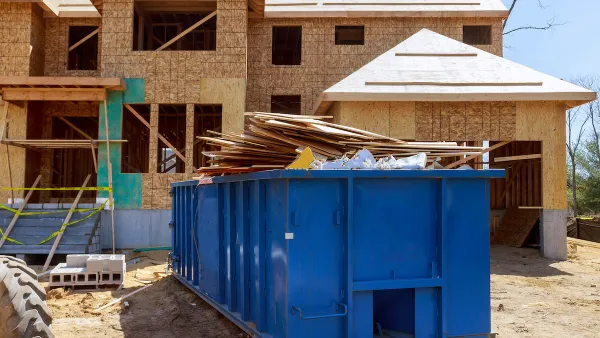
Bringing Circularity to the Construction Industry
Using more recycled materials could dramatically reduce carbon emissions and waste from construction projects.
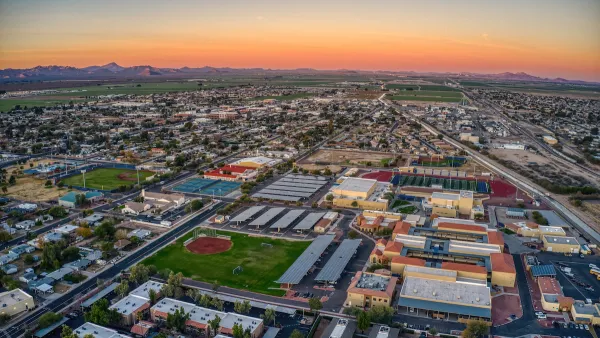
Arizona Town Looks for New Water Sources, Insists Development ‘Full Steam Ahead’
While many Southwest cities are looking for ways to conserve water and limit growth as water supplies become strained, one town is pressing ahead with rapid development.
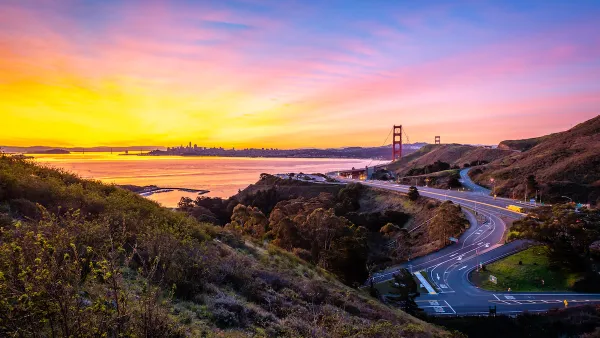
California State Law Calls on Coastal Regions to Create Resiliency Plans
Cities and counties at risk of flooding and erosion from sea level rise can access state funding to implement coastal resiliency plans.
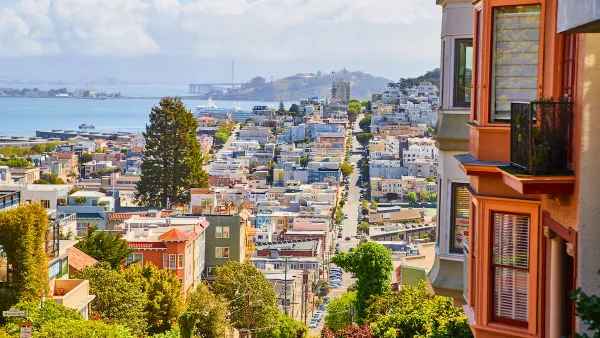
San Francisco Required to Change Restrictive Housing Approval Policies
State agencies want the city to speed up its alarmingly slow permitting process.
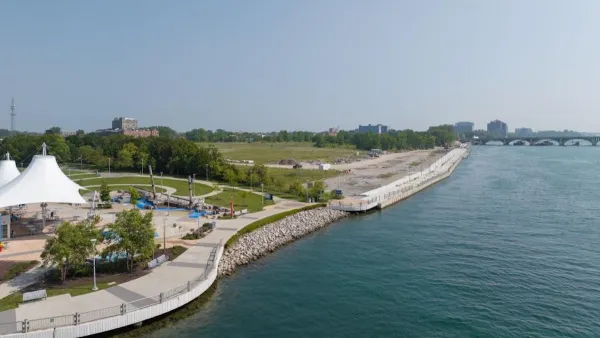
New Riverfront Promenade Opens in Detroit
The East Riverfront now provides 3.5 miles of contiguous parks and trails on the formerly industrial waterfront.
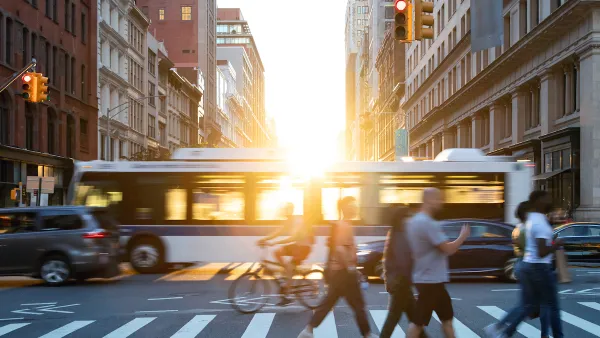
When it Comes to Vehicle Travel, Less is More
Motor vehicle travel provides many benefits, but also imposes large costs on users and communities. With better planning people can drive less, rely more on non-auto modes, enjoy more access, and be better off overall as a result.
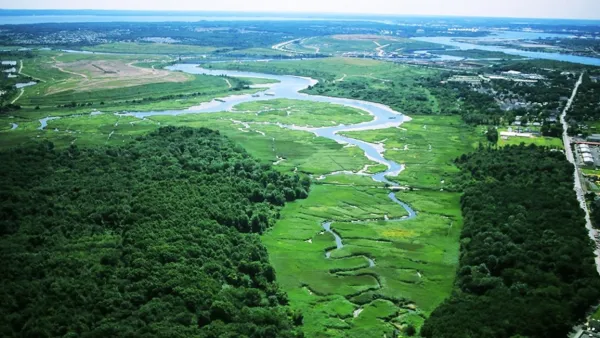
Former Landfill Doubles as Public Park, Energy Producer
Once the world’s largest dump, Freshkills Park now offers new city park space and powers local households with biofuel.
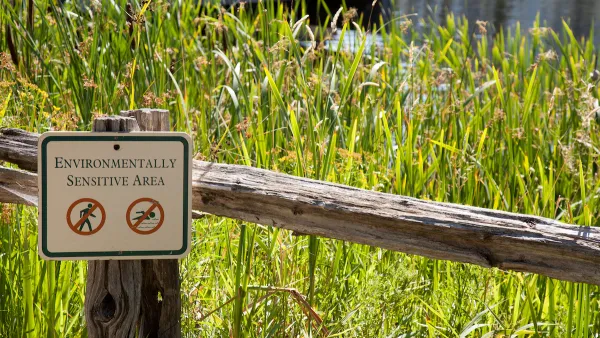
Misuse of Environmental Laws Betrays Their Intent
How laws written to protect natural resources and biodiversity are being reinterpreted by NIMBY groups to block development.
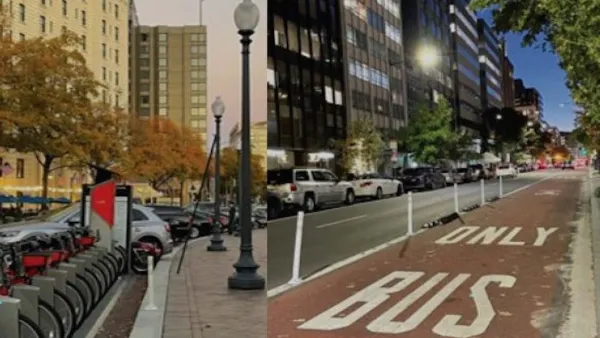
Vehicle Miles Traveled as a Metric for Sustainability
Motor vehicle travel benefits users but also imposes large economic, social, and environmental costs. With better planning, our needs can be met with less vehicle travel. A new ITE report describes why and how to optimize the amount we drive.
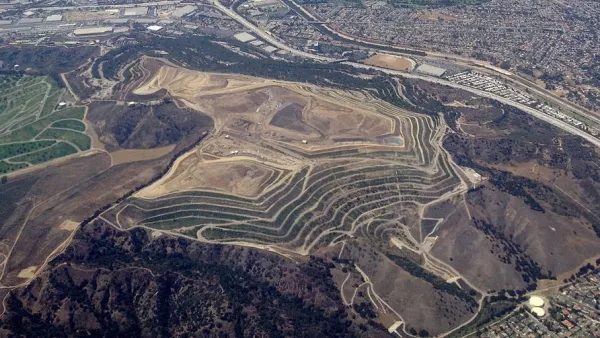
Creating a New Regional Park by Restoring Degraded Lands
Los Angeles County is transforming 142 acres of the Puente Hills Landfill into parkland, creating the first new regional park in the county in over 35 years. The recently released concept plan and renderings show what the park will look like.
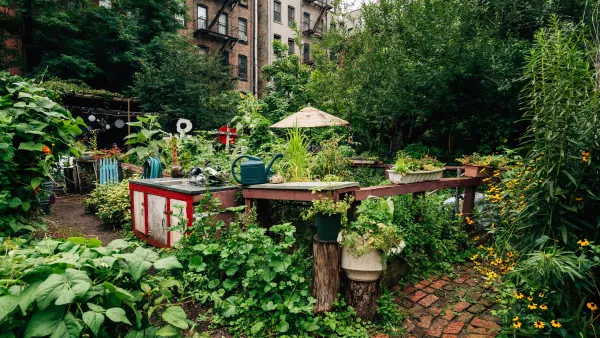
Even Small Urban Green Spaces Boost Biodiversity
A recent study from the University of Melbourne demonstrates the positive impacts small urban greening projects can have on city ecosystems.
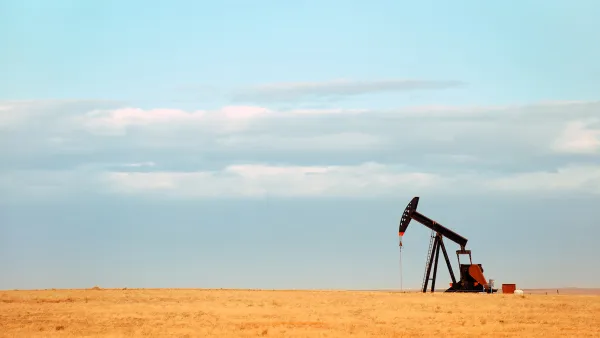
Do Environmentalists Confuse Oil Production With Oil Demand?
Samantha Gross, the director of the Energy Security and Climate Initiative at the Brookings Institution, argues that the key to reducing emissions is to do the hard work of reducing oil demand rather than focusing on ending U.S. oil drilling.
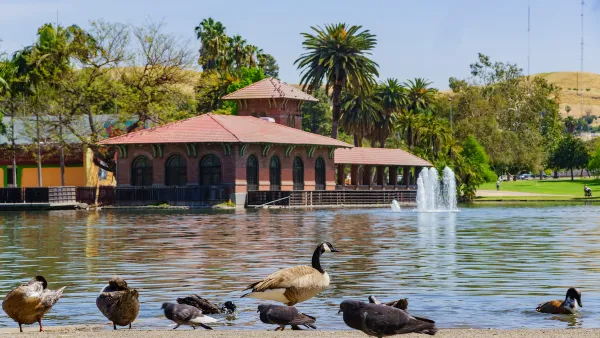
Study: How Urban Redlining Impacts Bird Populations
A legacy of historic housing discrimination and disinvestment is having lasting effects on more than just human lives in cities.
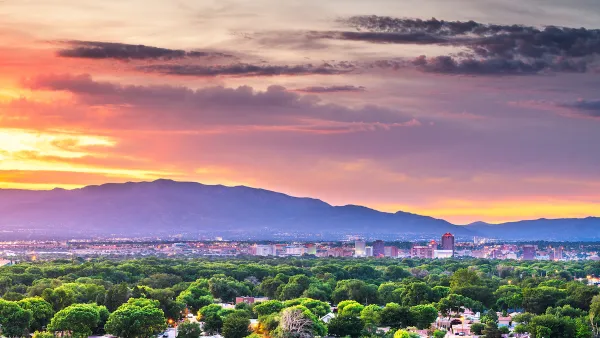
Growing ‘Climate Ready’ Urban Trees
A New Mexico research program will assess the health of seedlings to understand which trees will be most resilient to climate risks.
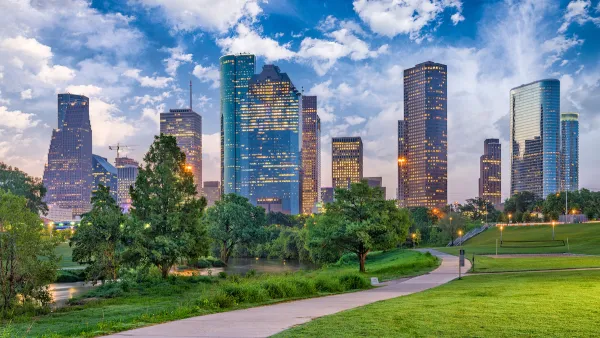
Opinion: How to Fund Better Houston Parks
Houston’s iconic signature parks mask a major underinvestment in green spaces for most of the city’s neighborhoods, according to a new report.
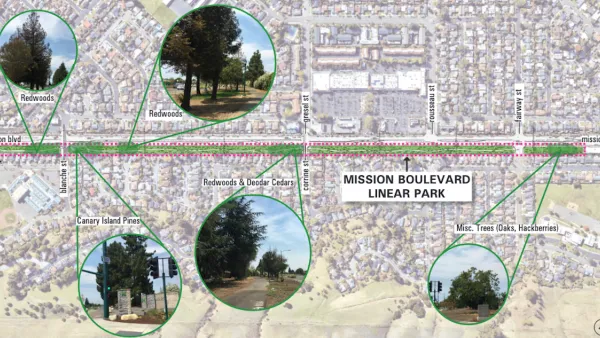
Parks Departments Try to Build New Green Spaces on Shrinking Budgets
Even as the role of parks and urban green space in public and ecological health becomes more apparent, city budgets are hard-pressed to meet the costs of park construction and maintenance.
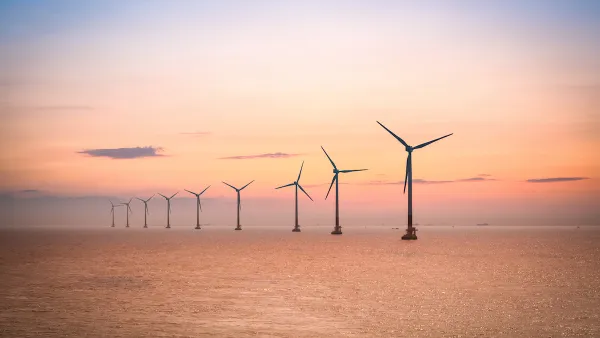
Offshore Wind Growing Fast in California
The rush to secure coastal leases for wind energy production is causing some critics to call for stronger scrutiny from regulatory agencies.
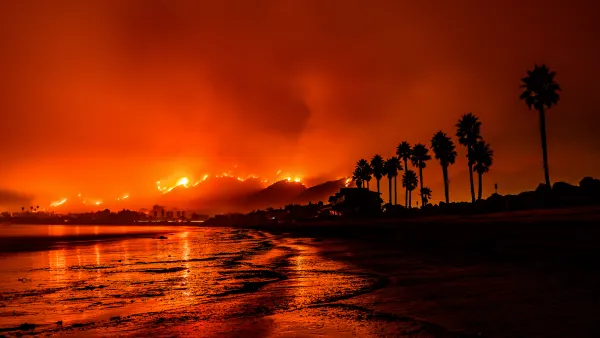
Urban Design for Addressing Climate Resilience
Cities around the world are finding ways to protect their residents and infrastructure from the impacts of extreme weather and natural disasters.

FREE Course: Walkable City 1: Why Walkability?
After describing his path towards focusing on walkability as the essence of good planning, Jeff Speck marches through his five principal reasons for making more walkable places.
Reinventing Malls: Planning Alchemy—Turning Gray Fields Into Gold
The course focuses on the opportunities and imperatives that shape reinvention of mall sites.

Harvard University Graduate School of Design
KFH Group Inc.
Greater Baltimore Committee
The Architects Foundation
University of Cincinnati Online
The Pocatello Development Authority
The Urban Renewal Agency of the City of Pocatello