Louisiana is losing coastal lands, quickly, along with the habitat and economic resources located there. A Coastal Master Plan plots $50 billion in spending to protect the coast.


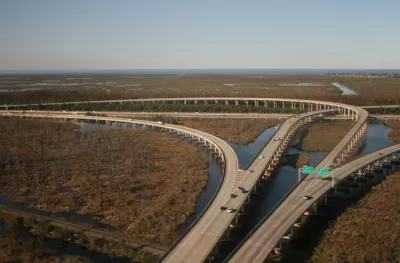
The Louisiana Coastal Protection and Restoration Authority recently released a 100-page, draft update of a $50 billion coastal master plan, officially titled the 2023 Coastal Master Plan, with several substantive changes proposed for the coming year.
Mark Schleifstein broke the news of the new plan earlier this month, reporting that the draft updated for the plan calls for 61 new projects to “to build or protect land, a dozen new levees, and new efforts to elevate, flood-proof or relocate flood-prone homes” in the plan. In all, the plan is estimated to reduce hurricane storm damages by $11 billion every year by 2073.
Among the changes included in the draft update are “construction of projects long proposed to reduce flooding risk, such as a $2.4 billion concrete barrier and weir combination aimed at reducing surge entering Lake Pontchartrain through the Rigolets and Chef Menteur passes,” according to Schleifstein. Schleifstein also reports that the draft plan reverses course on the idea of building levees, “including plans to protect portions of Iberia and St. Mary parishes from Gulf of Mexico surge; to dramatically upgrade levees surrounding the Lafitte area, and to protect portions of St. James and Ascension parishes, where sea level rise is expected to increase the threat of flooding from Lake Maurepas over the next 50 years.
As noted in the article, the Louisiana has already lost 2,000 square miles of coastal land since 1932, directly impacting fisheries and wildlife resources along the coast—along with the jobs that depend on them.
More details from the updated plan (this is the fourth update of the plan since it was first adopted by the Louisiana State legislature in 2007) are included in the source article below. Public comment on the plan is open through March 25.
FULL STORY: Louisiana's draft coastal master plan update promises billions in hurricane-damage savings

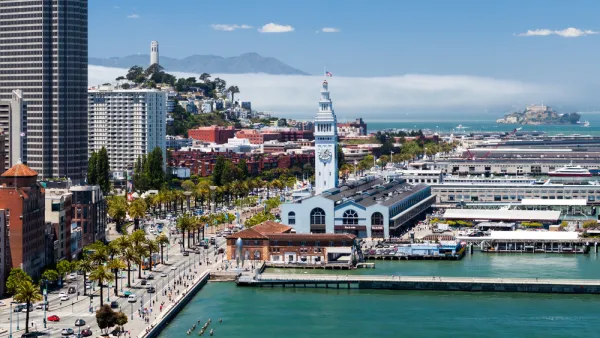
Report: Embarcadero Needs to Rise 7 Feet to Resist Sea-Level Rise
A bombshell report details the adaptation measures that will be necessary to keep San Francisco's Embarcadero high and dry as the climate changes and sea levels rise.
The Changing Risks of Coastal Communities
An excerpt from "A Blueprint for Coastal Adaptation: Uniting Design, Economics, and Policy," published in May by Island Press.
Climate Change: The Most Vulnerable States Are the Least Prepared
The effects of climate change will vary depending on geographic location, so it's incumbent on states to prepare in their own, specific way. Not all states are taking that responsibility seriously, according to a new report.

The state-sanctioned urbicide of Austin
People don’t kill cities. Freeways do.

US to reduce Colorado River water deliveries to Mexico
A new Colorado Treaty amendment reduces Mexico’s Colorado River water allocation by 250,000 acre feet.

New Jersey’s second-largest city bans standalone data centers
Jersey City will continue to allow co-location facilities, such as those meant for research institutions that store their own data.

Amtrak not solely to blame for New Jersey commuter rail's unreliability, report finds
A new study from the Garden State Initiative found that NJ Transit’s budget grew 20% across a 4 year period, but reliability declined significantly over the same period.

EPA erases limits on planet-warming pollution from power plants
Under Monday’s plan, power plants would still have some limits on how much mercury, arsenic and other contaminants they can emit.

Phoenix announces new on-demand transit service, more frequent RAPID buses
Both new services will launch in October, and are part of Phoenix's Project Effective Access Solutions for Easing Congestion.

FREE Course: Walkable City 1: Why Walkability?
After describing his path towards focusing on walkability as the essence of good planning, Jeff Speck marches through his five principal reasons for making more walkable places.
Reinventing Malls: Planning Alchemy—Turning Gray Fields Into Gold
The course focuses on the opportunities and imperatives that shape reinvention of mall sites.

Eagle County Government
Harvard University Graduate School of Design
Nashville Planning Department
The Architects Foundation
University of Cincinnati Online
The Pocatello Development Authority
The Urban Renewal Agency of the City of Pocatello
Journal of the American Planning Association