Environment
Fracking Wastewater Dumped into Protected California Aquifers
According to the Center for Biological Diversity, toxic wastewater from oil industry fracking operations has been illegally injected into Central Valley disposal sites, posing a threat to water supplies of nearby residents.
'4Liters Challenge' Addresses Water Poverty and Conservation
As opposed to the wasteful "Ice Bucket Challenge," 4Liters challenges individuals to experience water poverty by limiting themselves to four liters of water for 24 hours, about 1 percent of the amount an average American uses.
Los Angeles Breathing Easier Due to Reductions in Airborne Toxins
The improvement in air quality comes from reductions in toxic emissions from autos, trucks, and ships. Enjoying the cleaner air were tens of thousands of Angelenos riding on miles of streets closed to auto traffic for the 10th CicLAvia event.
Study: Astounding Loss of Global Biodiversity in Last 40 Years
According to a newly released study by the World Wildlife Fund, the Zoological Society of London, and other NGOs, the world has lost half of its biodiversity, particularly in fresh water ecosystems and in developing nations.
It's Official: No More 'Paper or Plastic' in California
If you forget to bring a bag, pay a dime for either a paper or reusable plastic bag. Single-use plastic bags will disappear from grocery stores and pharmacies on July 1, convenience and liquor stores a year later. A composting bill was also signed.
'eHighway' Pilot to Deliver Clean Air for Southern California Ports
Nate Berg details the "eHighway" road design project that will move goods away from the ports of Los Angeles and Long Beach.
Gov. Jerry Brown Touts California's Success at U.N. Climate Summit
Leonardo DiCaprio may have received top billing, but Jerry Brown spoke as well on the actions of the Golden State to combat climate change under his watch. Two days earlier, he signed six bills to increase sales of electric vehicles.
Friday Eye Candy: Life Finds A Way
NPR's Cities Project is crowdsourcing Instagram photos of nature creeping back into urban spaces.
Great Lakes Leaders Call for Drinking Water Protections
In light of August's drinking water catastrophe in Toledo, Ohio, Great Lakes mayors gathered this week to call for policy action to protect water resources round the Great Lakes.
The Importance of Inter-Urban Walkability
In his third "place-decoding" essay from France, Chuck Wolfe recalls all that we can learn from walking between settled places.
What's Your 'Elevator Pitch' for Greener, Healthier Cities?
Kaid Benfield shares his placemaking pitch.
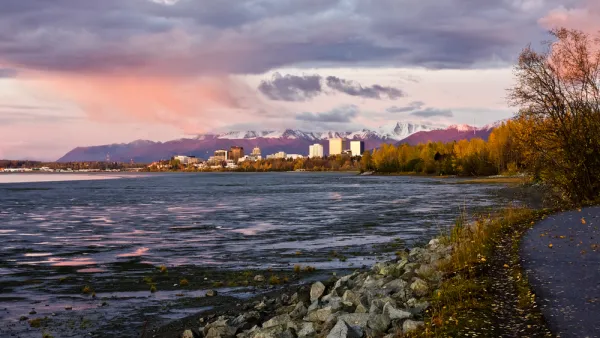
Where to Go in the Event of Climate Change
Anchorage, Seattle, and Detroit will be pretty cozy compared to just about everywhere else in the United States if climate change models hold true.
Studies: 2013 Worldwide Carbon Emissions Higher than Ever
World leaders gathering today in New York City for a United Nations climate summit will be greeted by the news that the world is doing worse than ever in reducing carbon emissions.
'Droughtshaming' and the Death of Fun
Laura Bliss provides a summary of the controversy surrounding plans to bring the "Slide the City" event to Temple Avenue in Downtown Los Angeles.
How Cities Save Nature
According to Kaid Benfield of the Natural Resource Defense Council, the best way to save our natural wonders is by living and investing in cities.
Regulating Electric Vehicles and Energy Storage
As California continues to set a national example for greenhouse-gas emission reductions while meeting the goals of AB 32, the state must grapple with new regulatory issues around energy.
Questioning the Science Behind New York's Storm Proofing Plans for Fire Island
An expert insists that a massive coastal engineering project in a National Park should consider different environmental impacts than a similar project along developed coastline.
Report Illuminates Weak Efforts to Reduce Carbon Intensity
According to the most recent PricewaterhouseCoopers "Low Carbon Economy Index," the planet's current carbon intensity will see a 7.2 degree Fahrenheit increase by 2050.
Study: Residents Living Near Fracking Suffer Negative Health Impacts
Self-reported respiratory problems and skin irritations were significantly greater for those living near natural gas fracking wells in southwestern Pennsylvania than those living more than two kilometers away, according to a Yale University survey.
Meet China's New Carbon Market
The world's largest emitter of CO2, China, has adopted a cap-and-trade program would open the world's largest carbon market as early as 2016.

FREE Course: Walkable City 1: Why Walkability?
After describing his path towards focusing on walkability as the essence of good planning, Jeff Speck marches through his five principal reasons for making more walkable places.
Reinventing Malls: Planning Alchemy—Turning Gray Fields Into Gold
The course focuses on the opportunities and imperatives that shape reinvention of mall sites.

City of Rosemead
Rutgers University, Edward J. Bloustein School of Planning and Public Policy
One Hundred Miles
University of Michigan School for Environment and Sustainability (SEAS)
Hunter College, City University of New York (CUNY)
The Architects Foundation
City of Cambridge
The Pocatello Development Authority
The Urban Renewal Agency of the City of Pocatello









