Environment
International Climate Accord Reached in Lima
Known as the Lima Accord, after the capital of Peru where representatives from 200 nations met for two weeks, a deal was reached to reduce greenhouse gas emissions in preparation for talks to be held in Paris in December. But is it strong enough?
After Keystone Delay, Enviros Challenge Other Pipelines
After successfully stalling the Keystone XL pipeline that would transport tar sands crude from Alberta to Gulf area refineries, environmental activists are targeting other proposed pipelines, although the result may be more crude-by-rail shipments.
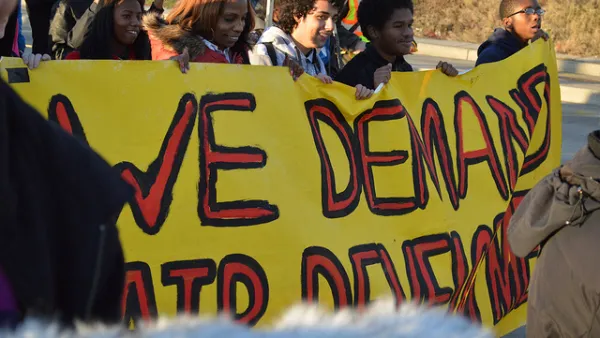
Dumping in Dixie and the Inequity of Place
Only by better addressing issues of inequity can we create truly sustainable and livable communities. But is that even possible today?
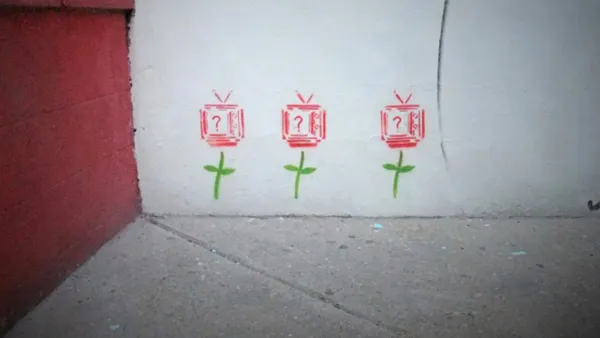
Nature and Art: A Christmas Plea for Cities
I wrote an urbanist Christmas wish list last week for Fast Forward Weekly. I figured I'd elaborate on one of my wishes for weedy nature and public art: disturbance oriented art.
Study: Passenger Vehicle Fleet is Older and More Polluting
Arguably just as important than the sales of new vehicles, e.g., hybrids and EVs, are the consequences of not buying new cars.

Five Things You Need to Know About E-Bikes—An Urban Transportation Paradigm Shift
When you have a small electric motor, a battery, and a throttle on your bicycle, it becomes very difficult to make any more excuses. Here's why...
A New Era in California for Evaluating Transportation Emissions
An appellate court's rejection of SANDAG's $200 billion sustainable communities plan holds far-reaching implications for how regional planners evaluate greenhouse gas emissions from transportation to meet SB 375 requirements to the year 2050.
Report Highlights the Role of Biodiversity of Urban Scavengers
Cities are full of ants, mice, rats, and other animals that scavenge on the trash of human beings. A new report from North Carolina State University analyzes how biodiversity influences the productivity of these creatures.
On the Growth of New York's Urban Forest
A New York Times article details the surprisingly difficult to catalogue history of New York's greenery.
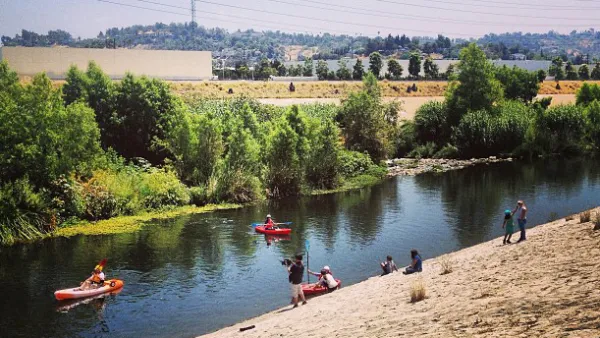
A Playful Approach to Activating Spaces along the Los Angeles River
An interview with two of Project 51's co-founders, John Arroyo and Catherine Gudis, on the collective's recent "Play the LA River" card deck, a playable guide which invites participants to discover 56 unique sights along the entire Los Angeles River.
Brazil's Insight on Climate Change Adaption
A new report from the World Resources Institute illustrates how Brazil is preparing its cities to deal with climate change.
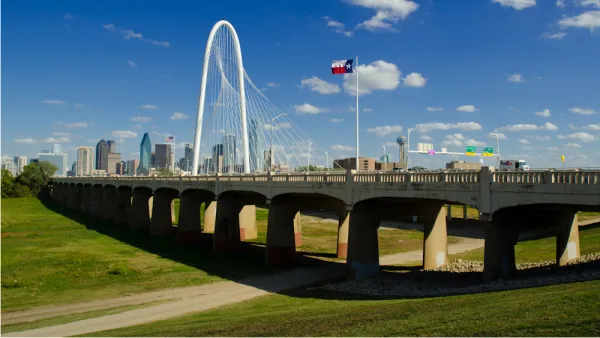
35 New Cities Named as 100 Resilient Cities Members
After its 2013 announcement of support for the first 33 of the 100 resilient cities, the Rockefeller Foundation has announced its next round of member cities: 35 cities, including six from the United States.
Designing Permeable Cities for Drought Resilience
Take a kayak trip on the Los Angeles River with KQED science reporter Amy Standen to understand why cities were built on the premise of endless potable water and how we can build cities sustainably in regions that receive low rainfall.
The United Nations Studies Urban Emissions Monitoring
Urban emissions researchers have been invited to speak at the UN Climate Conference in Lima. Their findings: through focused and networked monitoring, cities can make real inroads on cutting carbon.
The Urban Water Blueprint Extends Well Beyond the City
A new project by the Nature Conservancy maps the impact of natural infrastructure—often found well outside the city limits—on urban water supplies.
Friday Eye Candy: A Colorful Weather Visualization for Urban Weather
Part infographic and part diary, the weather radials project tracks the weather for every day in 2013.
Supreme Court to Review EPA's Mercury Standard
The top court's decision on Tuesday to review the first-ever regulation of mercury is a setback for Obama's environmental agenda, in part because it has implications for other EPA initiatives including Wednesday's proposal to tighten the ozone rule.
Critic: Improve Lighting to Improve Dallas Walkability
Architecture Critic Mark Lamster sets aside the complex issues of lane configurations and traffic calming to focus on a key aspect of walkability: proper lighting.
The New Whistleblower: Using Satellite Images to Spot Environmental Damage
West Virginia-based SkyTruth is culling satellite and aerial images to blow the whistle on unreported damage to the environment.
Bridging the Gap in the Los Angeles River Greenway
A new trail segment along the Los Angeles River breaks ground in a park-poor neighborhood as part of the countywide Los Angeles River revitalization.

FREE Course: Walkable City 1: Why Walkability?
After describing his path towards focusing on walkability as the essence of good planning, Jeff Speck marches through his five principal reasons for making more walkable places.
Reinventing Malls: Planning Alchemy—Turning Gray Fields Into Gold
The course focuses on the opportunities and imperatives that shape reinvention of mall sites.

City of Rosemead
Rutgers University, Edward J. Bloustein School of Planning and Public Policy
One Hundred Miles
University of Michigan School for Environment and Sustainability (SEAS)
Hunter College, City University of New York (CUNY)
The Architects Foundation
City of Cambridge
The Pocatello Development Authority
The Urban Renewal Agency of the City of Pocatello









