As opposed to the wasteful "Ice Bucket Challenge," 4Liters challenges individuals to experience water poverty by limiting themselves to four liters of water for 24 hours, about 1 percent of the amount an average American uses.


According to a recent article by Derek Markham of Treehugger, "[the] average American uses about 400 liters of water per day at home, even in regions where drought and water scarcity are fast becoming the norm. That figure is well above what's considered to be the minimum for human needs—about 50 liters per day—and yet water is still so cheap and accessible in most municipalities that it's easy to use (and waste) way more than we need."
The Los Angeles based non-profit DIGDEEP launched their second 4Liters Challenge this week to bring these facts to light. In the first challenge last year, 602 participants raised a total $17,400 toward sustainable clean water projects, water access advocacy, and educational projects. This year's challenge began on October 6th and runs the entire month. Participants are asked to use on four liters every 24 hours and raise $40 for the cause. In addition, participants can challenge four other friends to also take part in the challenge.
The 4Liters website offers a free multidisciplinary curriculum for educators to discuss water, poverty, and human rights with their students. The 4Liters Challenge is incredibly pertinent as parts of the United States are nearing water shortages and residents need to rethink their usage habits.
Read the full story: Could you live on just 4 liters of water per day? Take the 4Liters Challenge and help combat water poverty
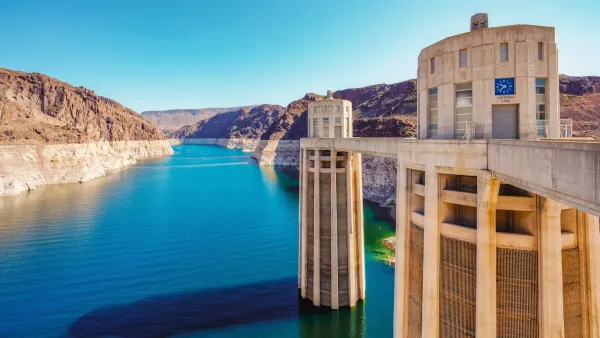
Federal proposal calls for mandatory water cuts to Arizona, California and Nevada
The Bureau of Reclamation stepped in after states failed to come to an agreement over Colorado River water use reductions.
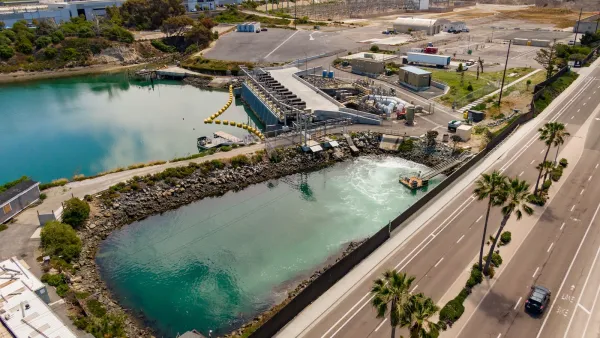
New agreement would let Arizona, Nevada use water from California desalination plant
The plan will help reduce strain on Lake Mead during extreme drought periods.
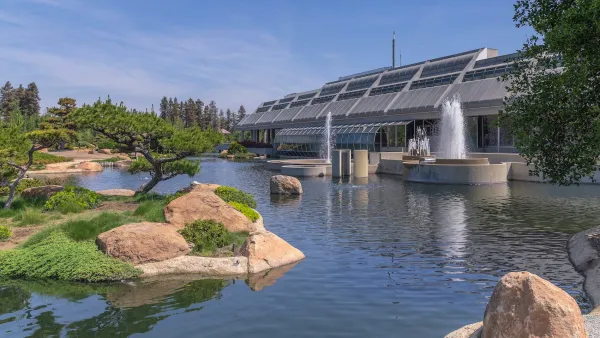
Southern California water agencies accelerate reuse and recycling projects
From desalination to wastewater recycling, California officials are promoting more reclamation projects as the Southwest remains in drought.

Planetizen Federal Action Tracker
A weekly monitor of how Trump’s orders and actions are impacting planners and planning in America.

California plans to bury El Niño’s downpour
If the state plays its cards right, it may be able to store a billion acre-feet of El Niño’s water in aquifers.

Desperate measures: Advocates weigh draining Lake Powell to fill Colorado River
Draining the reservoir could reduce evaporation losses by a couple hundred thousand acre-feet.

Chicago voters approve permanent festival grounds, penalty for vacant property owners
Currently, major summer and fall festivals take over public parks for weeks at a time, drawing criticism from nearby residents

NYC votes to cut outdoor dining red tape, speed up permitting
New York City also voted to allow the Department of Transportation to begin work on urgent projects before notifying elected officials.

California appears to reject Prop. 45
The proposition would have expanded the projects that qualify for a streamlined environmental review, effectively paring down the California Environmental Quality Act.

FREE Course: Walkable City 1: Why Walkability?
After describing his path towards focusing on walkability as the essence of good planning, Jeff Speck marches through his five principal reasons for making more walkable places.
Reinventing Malls: Planning Alchemy—Turning Gray Fields Into Gold
The course focuses on the opportunities and imperatives that shape reinvention of mall sites.

City of Rosemead
Rutgers University, Edward J. Bloustein School of Planning and Public Policy
One Hundred Miles
Hunter College, City University of New York (CUNY)
The Architects Foundation
University of Cincinnati Online
City of Cambridge
Montrose County
The Pocatello Development Authority