Being the world’s largest data center hub is having a severe impact on local water resources.


Data centers in Northern Virginia are using “absurd amounts of water” to power cooling systems, writes Sachi Kitajima Mulkey in Grist, causing concern among local officials.
The region is the world’s largest data center hub, with over 300 facilities processing almost 70 percent of global digital information, each using as much as 5 million gallons of water per day. And because cooling methods often rely on evaporation, the water does not go back into wastewater systems. “Data centers rank among the top 10 water-consuming industries in the United States, according to a 2021 study from Virginia Tech that looked at their environmental cost. And the next generation of technology will only make these facilities thirstier, as servers that run AI algorithms generate more heat.”
A bill introduced in the Virginia state legislature that would hold companies accountable for their environmental impact failed to pass this year, postponing its Senate vote to 2025.
FULL STORY: The surging demand for data is guzzling Virginia’s water


Can Southwest Utah’s Water Supply Handle its Explosive Growth?
A remote corner of the state is the nation’s fastest-growing metro area, but concerns about water supplies across the Southwest signal an uncertain future.
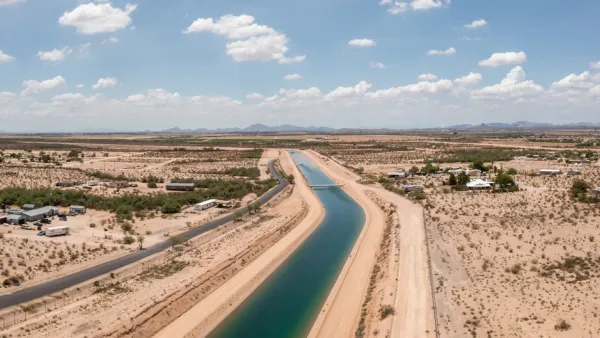
Arizona Governor Takes Steps to Modernize Water Policy
A newly released report warns of rapidly dwindling groundwater resources as developers plan to build hundreds of thousands of new homes.
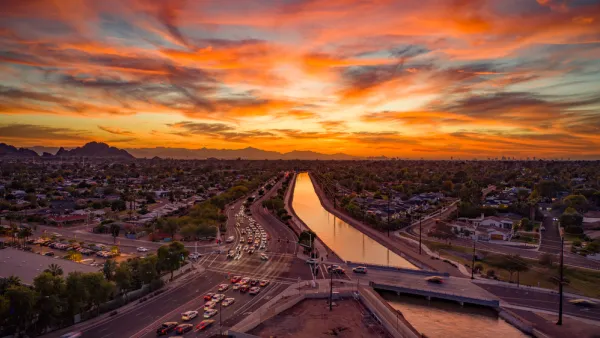
Scottsdale Cuts Water Supply to Nearby Suburb
The city claims it has no responsibility to provide water to the unincorporated Maricopa County community.

The state-sanctioned urbicide of Austin
People don’t kill cities. Freeways do.

US to reduce Colorado River water deliveries to Mexico
A new Colorado Treaty amendment reduces Mexico’s Colorado River water allocation by 250,000 acre feet.

New Jersey’s second-largest city bans standalone data centers
Jersey City will continue to allow co-location facilities, such as those meant for research institutions that store their own data.

Amtrak not solely to blame for New Jersey commuter rail's unreliability, report finds
A new study from the Garden State Initiative found that NJ Transit’s budget grew 20% across a 4 year period, but reliability declined significantly over the same period.

EPA erases limits on planet-warming pollution from power plants
Under Monday’s plan, power plants would still have some limits on how much mercury, arsenic and other contaminants they can emit.

Phoenix announces new on-demand transit service, more frequent RAPID buses
Both new services will launch in October, and are part of Phoenix's Project Effective Access Solutions for Easing Congestion.

FREE Course: Walkable City 1: Why Walkability?
After describing his path towards focusing on walkability as the essence of good planning, Jeff Speck marches through his five principal reasons for making more walkable places.
Reinventing Malls: Planning Alchemy—Turning Gray Fields Into Gold
The course focuses on the opportunities and imperatives that shape reinvention of mall sites.

Eagle County Government
Harvard University Graduate School of Design
Nashville Planning Department
The Architects Foundation
University of Cincinnati Online
The Pocatello Development Authority
The Urban Renewal Agency of the City of Pocatello
Journal of the American Planning Association