Environment
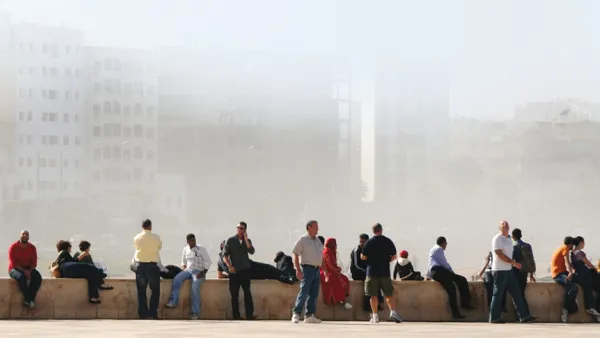
Jan Gehl on 60 Years of Designing Cities for People
The 10th anniversary of "Cities for People" offers the occasion for this interview with Jan Gehl, who has devoted a 60-year career to ideas about humanistic city planning—ideas of increasing relevance in 2020.
From Ventilators to Ventilation: The Shifting Focus of the Pandemic
Ventilator availability is a major indicator for states in the South and West that are seeing record hospitalizations, but in New York, where Gov. Cuomo announced that New York City had moved to Phase III of reopening, the topic was ventilation.
House Committee Calls for Stronger Federal Role in Planning to Deal With Climate Change
The new "Solving the Climate Crisis" report could provide guidance and direction if federal leadership in Washington, D.C. finally decides to take aggressive steps to reduce carbon emissions and adapt to a changed climate.

CDC Sued to Force Release Racial Demographic Data on Coronavirus Spread
Systemic racism is blamed for the glaring and tragic racial disparities of the COVID-19 illness in the United States.
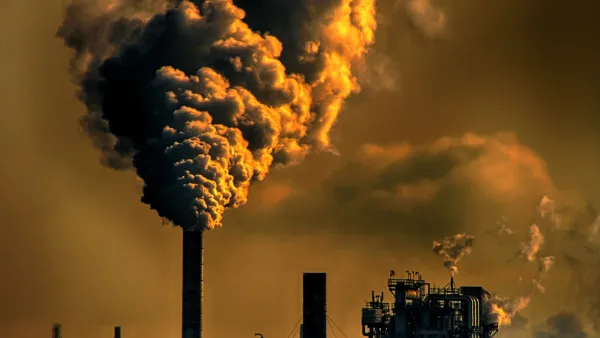
The Post-Pandemic Economy Could Be Dirtier Than Ever
The environmental gains at the beginning of the pandemic were only temporary., and there are signs more signs every day that the economy will be dirtier than ever in the future.
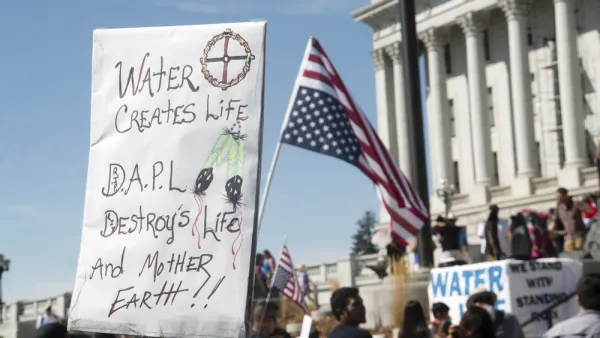
A Bad Day to Be a Pipeline: Judge Shuts Down Dakota Access; Atlantic Coast Pipeline Canceled
Two of the most controversial pipeline projects in the United States were dealt massive blows within the span of 24 hours.

Does Density Aggravate the COVID-19 Pandemic? Early Findings and Lessons for Planners
A new study finds that county density is not significantly related to the infection rate, but higher density counties have significantly lower virus-related mortality rates than those with lower densities, possibly due to superior health care.
GIS Community Brings Maps to the Coronavirus Fight
Data-Smart City Solutions at the Harvard Kennedy School is monitoring the use of GIS technology to inform the public health response to the coronavirus pandemic.
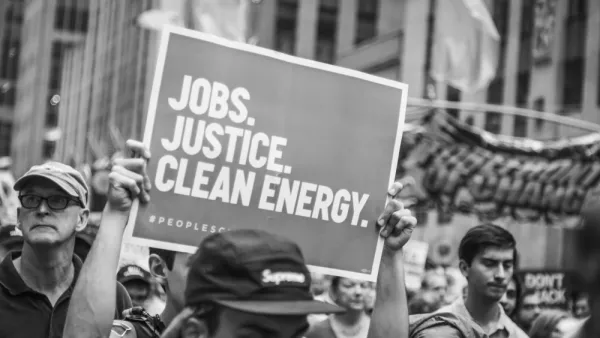
A Plan for a 'Just Green Recovery'
The Rhodium Group charts a path toward an economic recovery plan that would also achieve social and environmental benefits.
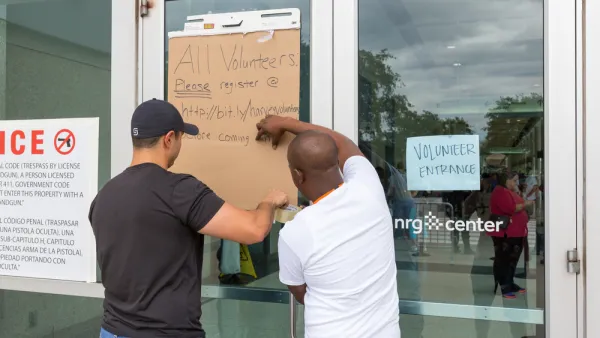
Advocates: Equity Lacking in the New Houston Climate Action Plan
Advocates and local residents are expressing concern about a lack of direct support in the Houston Climate Action Plan for underserved neighborhoods that have already experienced some of the worst effects of climate change.

Water Recreation Brings $18 Billion Annually to Colorado
Water recreation is an important contributor to the state's economy. A recent report found that water-related activities contribute an annual $18 billion to the state's economy.
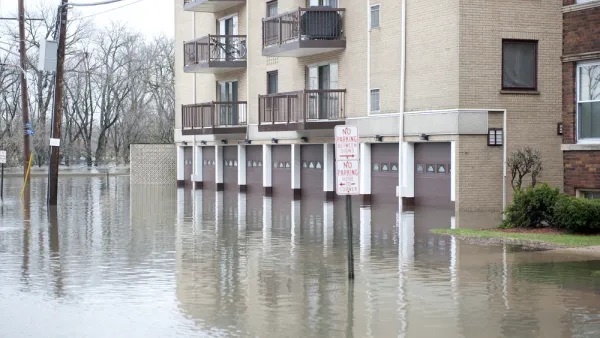
New Study Reveals Massive, Unaccounted Flood Risk
The Federal Emergency Management Agency undercounts the humber of homes at substantial risk of flooding by some 70 percent, according to a report released this week.

Emission-Free Heavy-Duty Trucks Requirements Approved in California
California is the first state to require manufacturers to produce zero-emission medium- and heavy-duty trucks.
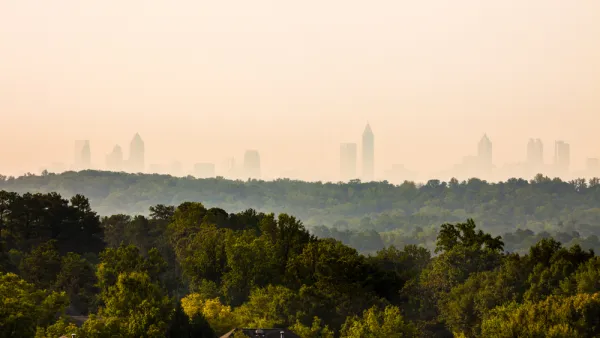
Stacey Abrams Leads New Effort to Mobilize Climate Action in the U.S. South
The South has some catching up to do on implementing plans to curb carbon emissions and prepare for climate change, but the region, collectively, has a lot of reasons to do so.
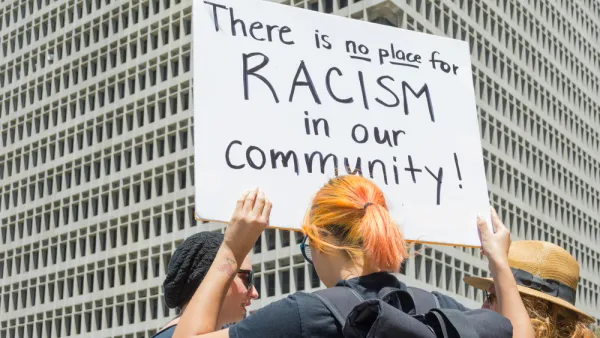
Anti-Racism at the Neighborhood Level
Communities across the country need to dismantle exclusionary barriers and rebalance spending to invest more equitably across neighborhoods, according to this article by the Urban Institute.
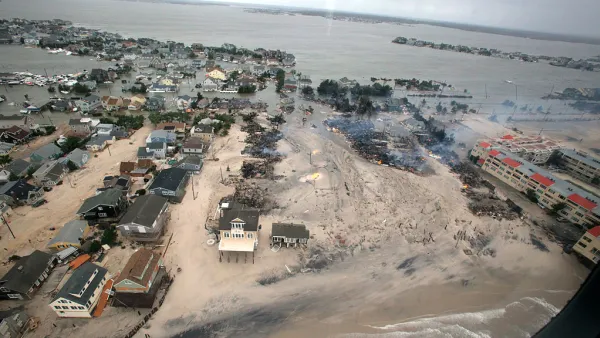
The 30-Year Mortgage Faces an Unprecedented Threat: Climate Change
The climate crisis will present more of an existential crisis to the traditional U.S. mortgage market than any previous financial crisis, according to some of the experts cited in the article.
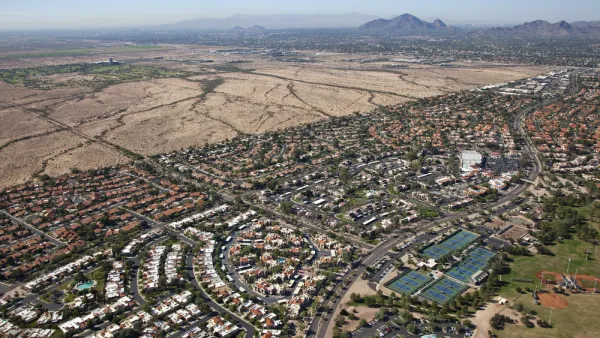
Lower Colorado River States Used Less Water in 2019 Than Any Year Since 1986
The states drawing water from the Colorado River's lower basin—California, Arizona, and Nevada—used less water from the river in 2019 than any year since the mid-1980s.
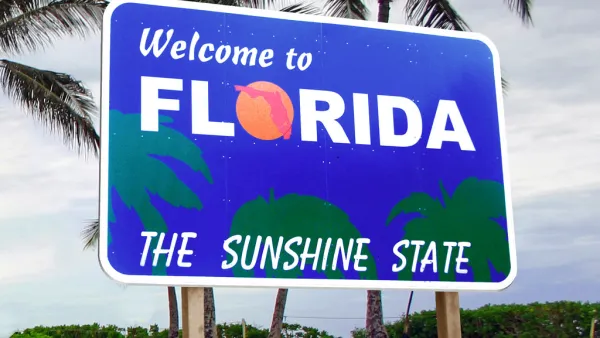
Model Predicts Next U.S. Coronavirus Epicenter
For the third consecutive day, COVID-19 cases in the Sunshine State have set records, exceeding 4,000 for the first time. PolicyLab in Philadelphia now predicts Florida will be the epicenter of the pandemic in the U.S. by mid-July.
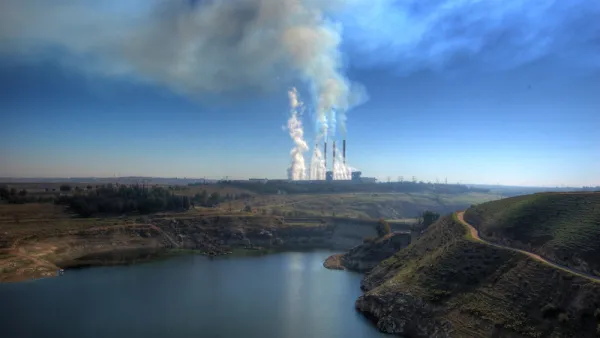
The Trump Administration's Environmental Policies Have Consequences for Black Lives
A Trump administration decision not to tighten Clean Air Act restrictions on soot pollution will have more consequences for Black Americans.
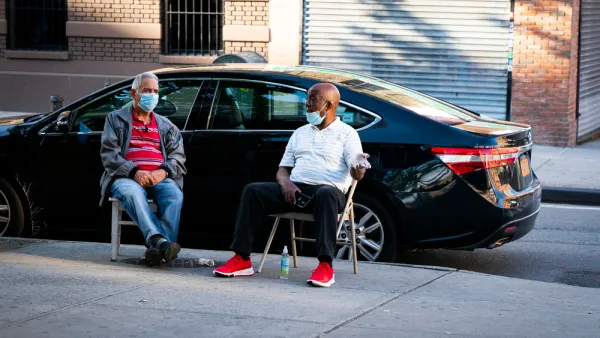
CDC Documents Racial Disparities of COVID-19 Illness
New data from the Centers for Disease Control and Prevention provides the federal government's most complete picture of the demographic data of COVID-19 illness.

FREE Course: Walkable City 1: Why Walkability?
After describing his path towards focusing on walkability as the essence of good planning, Jeff Speck marches through his five principal reasons for making more walkable places.
Reinventing Malls: Planning Alchemy—Turning Gray Fields Into Gold
The course focuses on the opportunities and imperatives that shape reinvention of mall sites.

City of Rosemead
Rutgers University, Edward J. Bloustein School of Planning and Public Policy
One Hundred Miles
University of Michigan School for Environment and Sustainability (SEAS)
Hunter College, City University of New York (CUNY)
The Architects Foundation
City of Cambridge
The Pocatello Development Authority
The Urban Renewal Agency of the City of Pocatello









