The states drawing water from the Colorado River's lower basin—California, Arizona, and Nevada—used less water from the river in 2019 than any year since the mid-1980s.


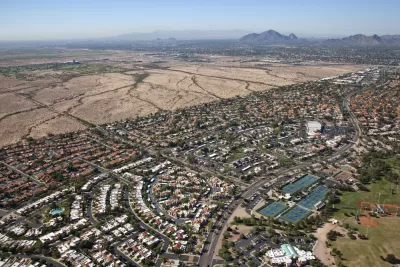
"Use of Colorado River water in the three states of the river’s lower basin fell to a 33-year low in 2019, amid growing awareness of the precarity of the region’s water supply in a drying and warming climate," reports Brett Walton.
"Arizona, California, and Nevada combined to consume just over 6.5 million acre-feet last year, according to an annual audit from the Bureau of Reclamation, the federal agency that oversees the lower basin. That is about 1 million acre-feet less than the three states are entitled to use under a legal compact that divides the Colorado River’s waters."
The good water management news comes a few weeks after a report provided evidence of an ongoing megadrought in the American Southwest, likely to impact growth and livability in the large region as climate change deepens.
Congress approved the 2019 Drought Contingency Plan to resolve potential conflicts between states, but the ongoing thirst for Colorado River water is apparent in a plan to divert water from Lake Powell to St. George, Utah (Utah is one of the seven upper basin states, according to the 1922 Colorado River Compact).
FULL STORY: Remarkable Drop in Colorado River Water Use a Sign of Climate Adaptation

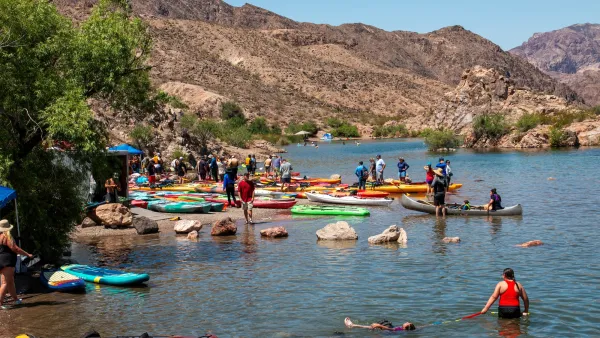
Colorado River States Fail to Strike Deal After ‘Historic Meeting’
The Colorado Basin states have until February 14 to agree on new water conservation measures.
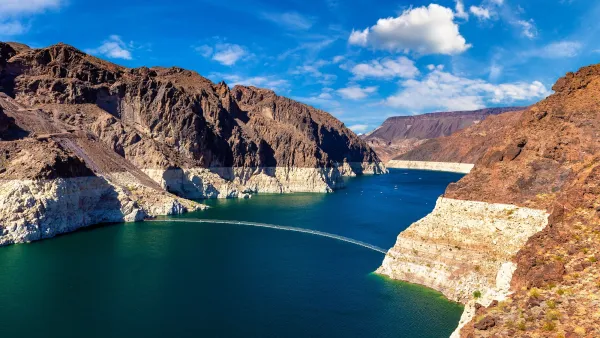
Deadline Nears for Colorado River Water Sharing Agreement
Water officials from the seven Colorado River Basin states are still at odds over how to manage dwindling water resources as current regulations are set to expire in February.
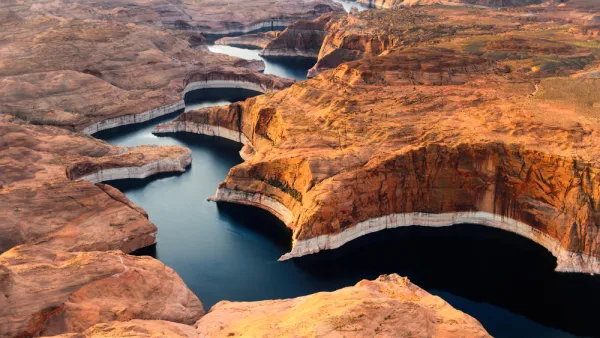
States Agree to Drastic Water Cuts From Colorado River
In the throes of a historic megadrought, three Southwestern states will make deep reductions in their water usage to preserve diminishing resources.

Planetizen Federal Action Tracker
A weekly monitor of how Trump’s orders and actions are impacting planners and planning in America.

The state-sanctioned urbicide of Austin
People don’t kill cities. Freeways do.

US to reduce Colorado River water deliveries to Mexico
A new Colorado Treaty amendment reduces Mexico’s Colorado River water allocation by 250,000 acre feet.

5 New England states march closer to 800 megawatt wind energy project
Securing federal approval for the project may be complicated under the Trump administration, which has historically been hostile towards domestic wind power.

Baltimore to break ground on $50 million Transit Priority Project
The project will bring faster bus trips, safer streets and better bike connections to Baltimore.

Airbnb launches $250 million 'last-dollar financing' housing accelerator, makes first investment in Austin
The company will put $6.4 million towards affordable housing development in Texas’ capital.

FREE Course: Walkable City 1: Why Walkability?
After describing his path towards focusing on walkability as the essence of good planning, Jeff Speck marches through his five principal reasons for making more walkable places.
Reinventing Malls: Planning Alchemy—Turning Gray Fields Into Gold
The course focuses on the opportunities and imperatives that shape reinvention of mall sites.

Eagle County Government
Harvard University Graduate School of Design
Nashville Planning Department
The Architects Foundation
University of Cincinnati Online
The Pocatello Development Authority
The Urban Renewal Agency of the City of Pocatello
Journal of the American Planning Association