Water recreation is an important contributor to the state's economy. A recent report found that water-related activities contribute an annual $18 billion to the state's economy.


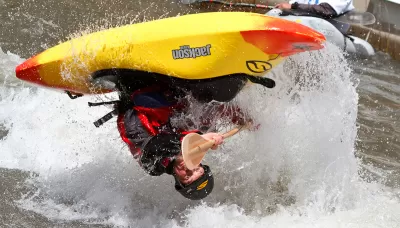
A report released by the Business for Water Stewardship shows that recreation activities involving water in Colorado, an important contributor to the state's economy, add $18 billion annually to the state’s gross domestic product. The report covered nine river basins in the state and analyzed economic benefits related to sports and activities like rafting, swimming, rafting, and trail running near water. "6.7 million people participate in water-related recreation annually, supporting more than 131,000 direct and indirect jobs. That translates to $6.3 billion in household income, $2.7 billion in tax revenue and roughly $10 billion to the state’s gross domestic product," reports Judith Kohler on the findings of analysis by Southwick Associates.
Social distancing and increased interest in being in the open air have made outdoor activity an even more vital part of life in Colorado. The findings of the report as well as the Business for Water Stewardship support the Colorado Water Plan's long-term goals to meet the state's need for water while addressing climate change.
FULL STORY: Water-related recreation pumps $18B into Colorado economy, business group says

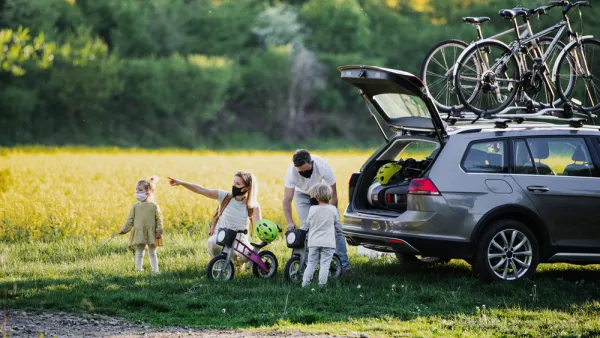
How COVID-19 Has Impacted Outdoor Recreation
A new report commissioned by the Outdoor Industry Association offers valuable insights about Americans’ engagement in outdoor activities amid the COVID-19 pandemic.
Outdoor Recreation Boosted by the Pandemic
The pandemic brought droves of people to Wisconsin’s outdoors, resulting in crowds on trails and at camp sites as well as a growth in the outdoor recreation and manufacturing economy.
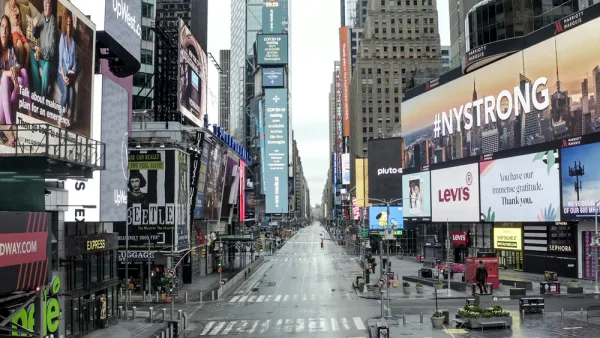
Biden Signs Legislation Ending Covid 19 National Emergency
The Covid 19 national emergency enacted by then-President Donald Trump in March 2020 was officially ended on Monday by President Joe Biden.

Planetizen Federal Action Tracker
A weekly monitor of how Trump’s orders and actions are impacting planners and planning in America.

The state-sanctioned urbicide of Austin
People don’t kill cities. Freeways do.

US to reduce Colorado River water deliveries to Mexico
A new Colorado Treaty amendment reduces Mexico’s Colorado River water allocation by 250,000 acre feet.

Baltimore to break ground on $50 million Transit Priority Project
The project will bring faster bus trips, safer streets and better bike connections to Baltimore.

Airbnb launches $250 million 'last-dollar financing' housing accelerator, makes first investment in Austin
The company will put $6.4 million towards affordable housing development in Texas’ capital.

Guerilla urbanists are building DIY bus stop benches in Chicago
A before-and-after of one of the bus stops with a new bench. The new benches are not officially sanctioned or permitted, but the residents who placed them hope they will be the start of a network of DIY benches across the city.

FREE Course: Walkable City 1: Why Walkability?
After describing his path towards focusing on walkability as the essence of good planning, Jeff Speck marches through his five principal reasons for making more walkable places.
Reinventing Malls: Planning Alchemy—Turning Gray Fields Into Gold
The course focuses on the opportunities and imperatives that shape reinvention of mall sites.

Eagle County Government
Harvard University Graduate School of Design
Nashville Planning Department
The Architects Foundation
University of Cincinnati Online
The Pocatello Development Authority
The Urban Renewal Agency of the City of Pocatello
Journal of the American Planning Association