Environment
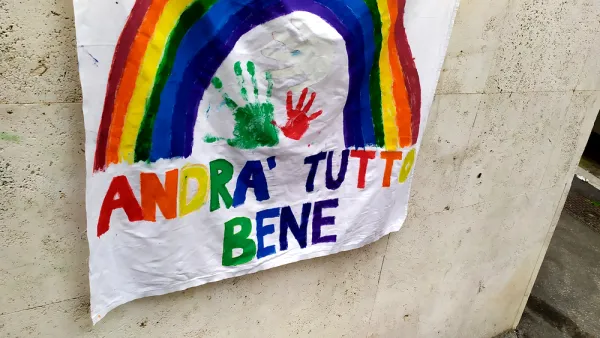
Overcoming Social Distance
People are finding new ways to connect digitally across physical spaces during the coronavirus pandemic, and these temporary solutions could have a lasting impact on the way we live.
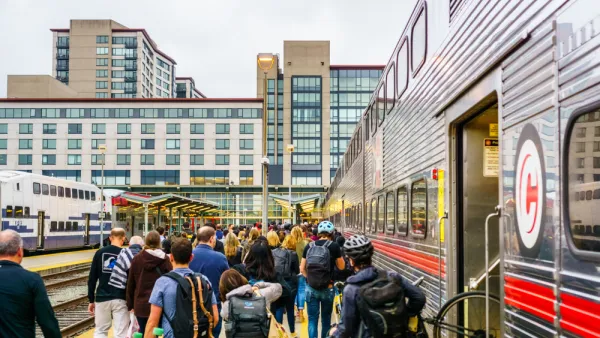
A New Ballot Measure Could Increase Caltrain's Funding by $108 Million Per Year
Santa Clara, San Mateo, and San Francisco county voters could see a ballot measure to fund an ambitious Caltrain plan with a one-eighth cent sales tax, amounting to more than $100 million dollars per year.
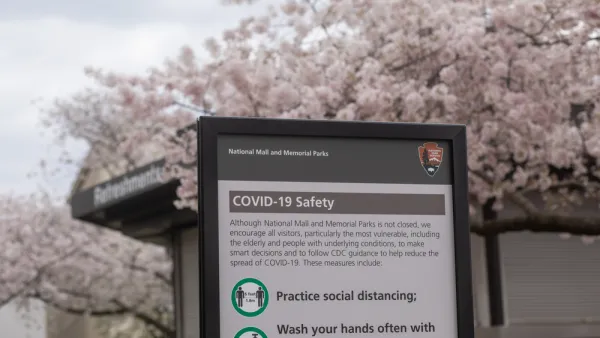
The Geography of Occupations: Some Neighborhoods Will Suffer More Than Others Under COVID-19
Census Bureau data shows we live near people with similar occupations, and right now frontline jobs are riskier for both health and economic well-being than working from home.
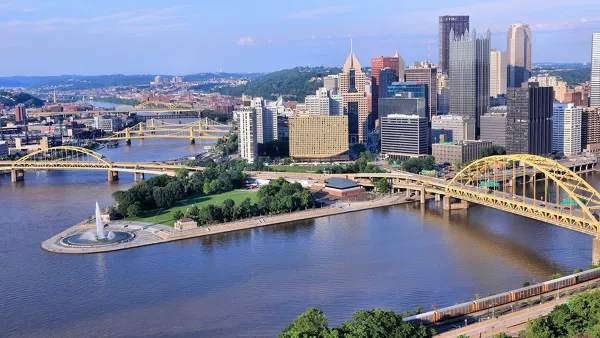
Pittsburgh-to-Cleveland Corridor Would Be Major Addition to National Trail Network
The 220-mile route would connect the two cities and could potentially boost the economies of communities along the stretch.
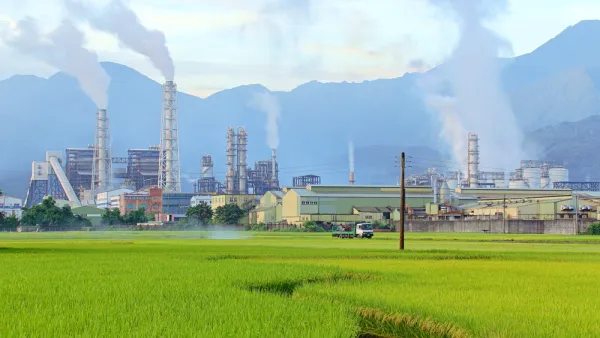
EPA Relaxes Environmental Rules, Cites Coronavirus
During the outbreak, the agency will allow companies to monitor themselves for pollution violations.
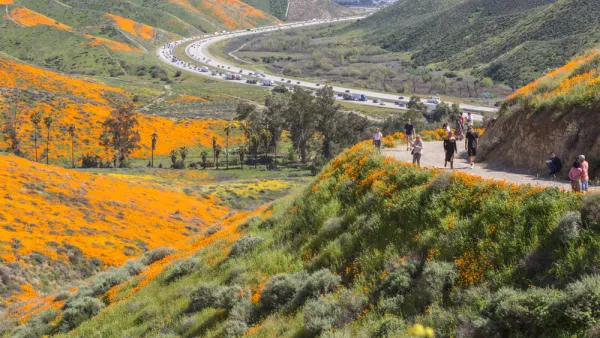
Lessons Emerge as Cities Cede Public Space to Contain the Pandemic
One of the dominant themes to emerge from the spread of COVID-19 is the conflict between the need to be in nature for health and well-being while avoiding public space as much as possible to prevent the spread.
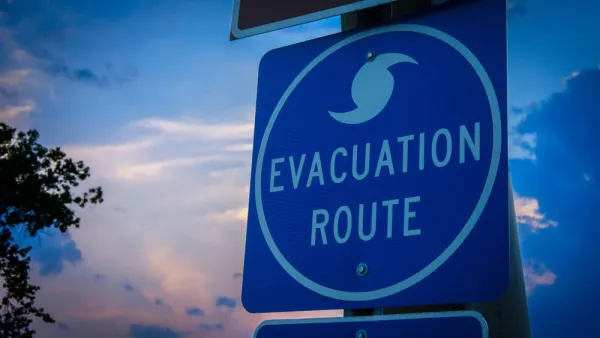
Deciding Not to Rebuild After Climate-Related Disasters
Officials in cities along the East Coast are realizing that maybe they shouldn’t rebuild on land that repeatedly floods. But that’s easier said than done.
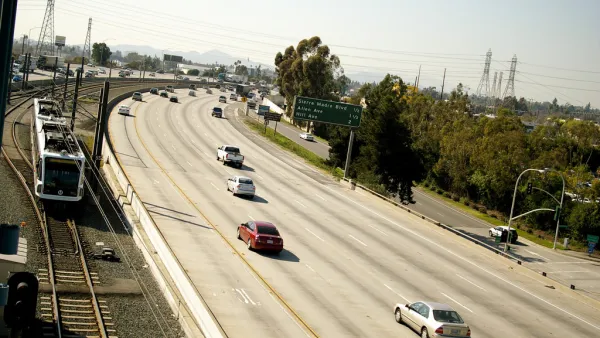
As Coronavirus Spreads, Air Pollution Plummets
More people are driving less and staying at home. The result is significant improvements in air quality in cities across the country.
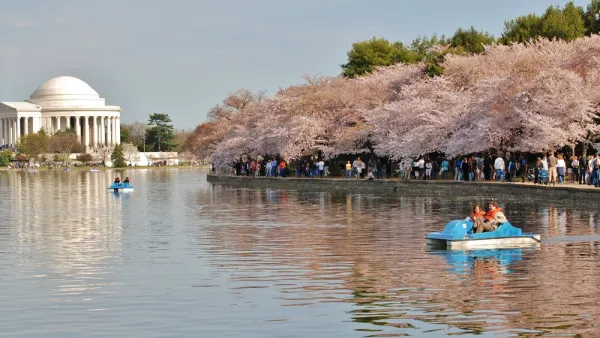
Urban Forestry Plans Obstructed by Urban Development Plans in D.C.
Growth and development are the biggest obstacles to Washington, D.C.'s plans to add more than 10,000 trees every year over the next 25 years.
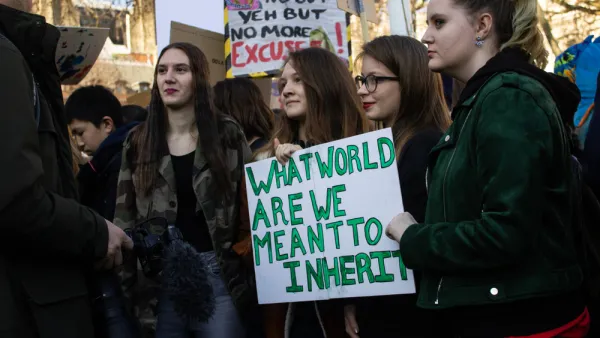
Applying the Lessons of COVID-19 to Climate Change
Now that everyone understands what an exponential curve looks like, how it works, and how it brings life-threatening risk to their lives, it might be time to re-examine the realities of climate change, too.
How Cities and Communities Can Rebound From the Pandemic
An interview with Michael Berkowitz, former executive director of 100 Resilient Cities, finds a path to the light at the end of the tunnel.
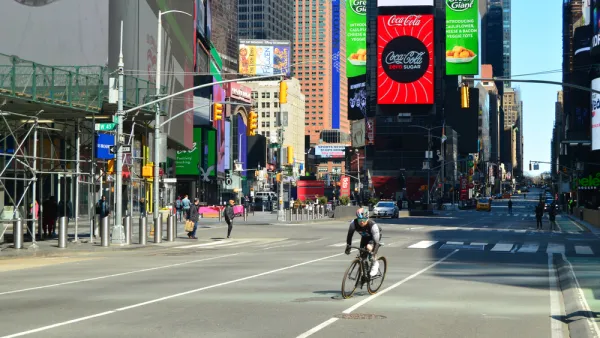
Traffic Patterns Are Going to Change Drastically
While some bike-sharing systems are being shut off to reduce mobility, others are experiencing a sudden increase of demand as people avoid mass transit.
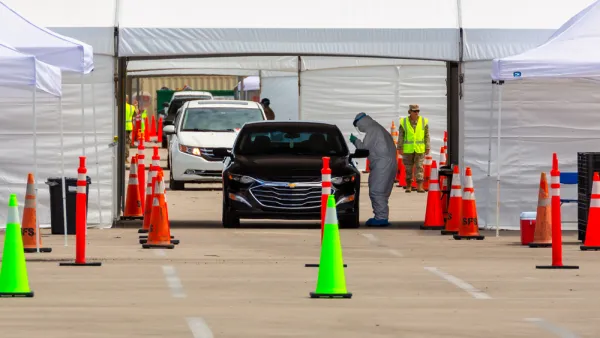
New Online Collaboration Tool, Designed for Effective Pandemic Policy
The Smart Cities Council has launched the "Activator - COVID-19 Mitigation Roadmap."
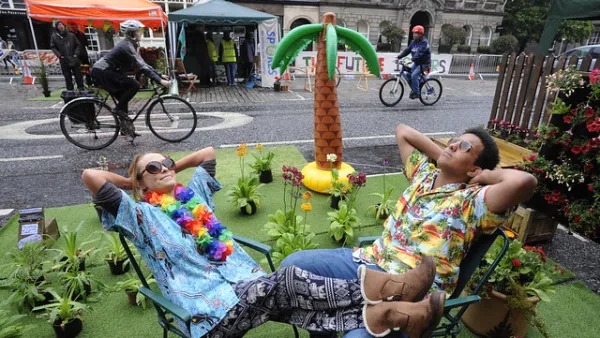
Keys to Safely Reopening Cities After the Pandemic
Cities have survived terrible infectious diseases before, because the power of concentrated human and economic activity is just so strong. When it’s time to reopen U.S. cities, a few key actions will ensure the future safety and health of all.
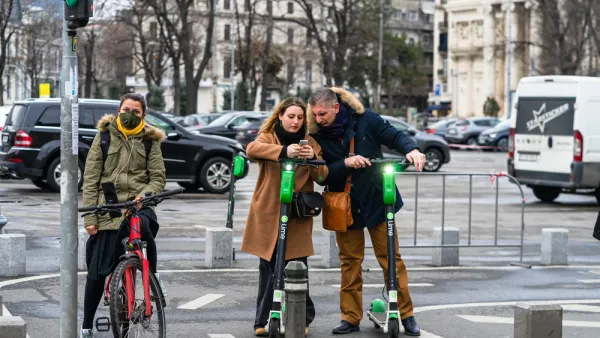
How Global Cities Are Coping With the Pandemic
Social distancing is the word controlling most U.S. urban dwellers' thoughts and actions right now, but cities around the world have additional lessons in pandemic response to share.
More Details for Planners on the Federal Stimulus Package
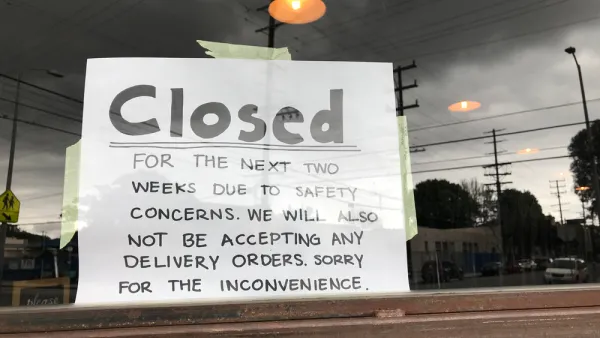
As the U.S. House of representatives approved the passive stimulus package approved by the U.S. Senate earlier in the week, more details emerged about the parts of the bill that will be relevant to planners during the coming weeks and months.
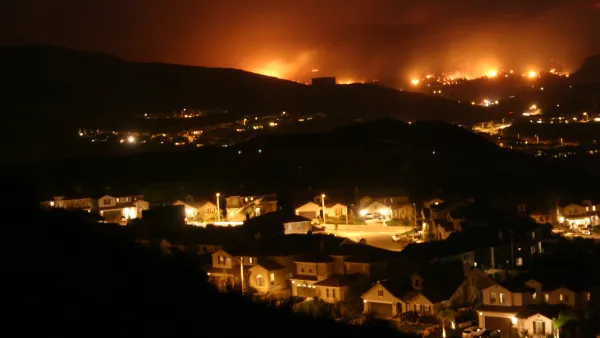
The Dual Threat of Wildfires and Coronavirus in California
As drought conditions continue, the state is preparing for the possibility that the two dangerous public health and safety threats will overlap.

Shelter in Place: Working in a Time of Isolation
Need some work-at-home tips from a veteran? Hazel Borys has eight to consider.
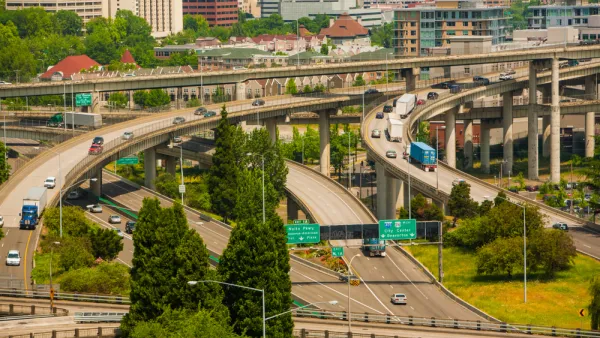
Oregon Executive Order Targets Greenhouse Gas Emissions
An executive order ramps up the effort to lower emissions in the state, much of which come from transportation.
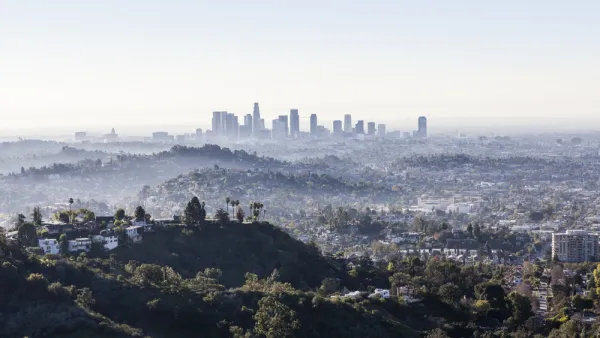
Debating the Future of Cities, and Urban Density, After the Pandemic
Numerous writers and experts are already examining the question about what happens to ideas about urbanism in a future forever altered by recent events.

FREE Course: Walkable City 1: Why Walkability?
After describing his path towards focusing on walkability as the essence of good planning, Jeff Speck marches through his five principal reasons for making more walkable places.
Reinventing Malls: Planning Alchemy—Turning Gray Fields Into Gold
The course focuses on the opportunities and imperatives that shape reinvention of mall sites.

KFH Group Inc.
Greater Baltimore Committee
Eagle County Government
The Architects Foundation
University of Cincinnati Online
The Pocatello Development Authority
The Urban Renewal Agency of the City of Pocatello