The South has some catching up to do on implementing plans to curb carbon emissions and prepare for climate change, but the region, collectively, has a lot of reasons to do so.


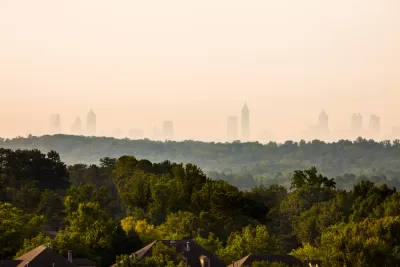
The U.S. South is among the most vulnerable regions in the United States to the dangers posed by climate change, but it's falling behind on climate action, according to a new report by the Southern Economic Advancement Project, a think tank founded by Stacey Abrams.
The reports calls on Southern states "to pass laws requiring utilities to adopt renewable or carbon-free sources of power," according to an article sharing the news of the new report written by Dino Grandoni.
Among calls for overhauling the regional power grid with renewable sources of energy, the report calls for cities "to enact building codes requiring energy-efficient structures, and to expand and electrify bus and rail networks," according to Grandoni. The report also calls for subsidies to support the purchase of electric vehicles.
Read the full story: The Energy 202: Stacey Abrams wants the South to do more to tackle climate change

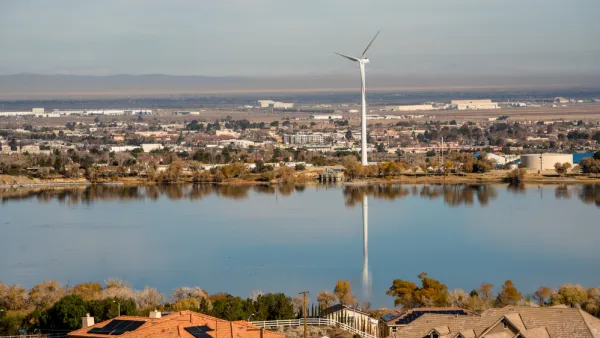
A Year of Climate Action for Cities
The Trump administration might have dealt numerous setbacks in the fight to reduce greenhouse gas emissions, but climate action in 2020 went local, with cities all over the country finding new ways to reduce emissions.
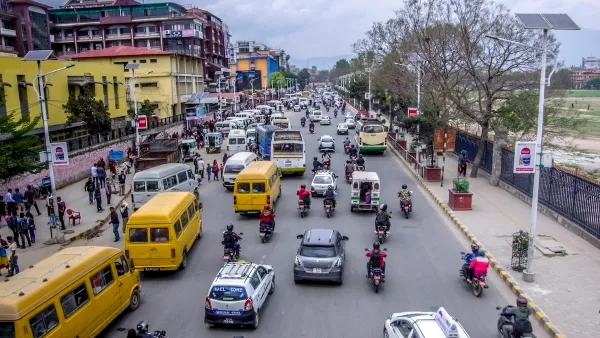
The Small South Asian Republic Going all in on EVs
Thanks to one simple policy change less than five years ago, 65% of new cars in this Himalayan country are now electric.
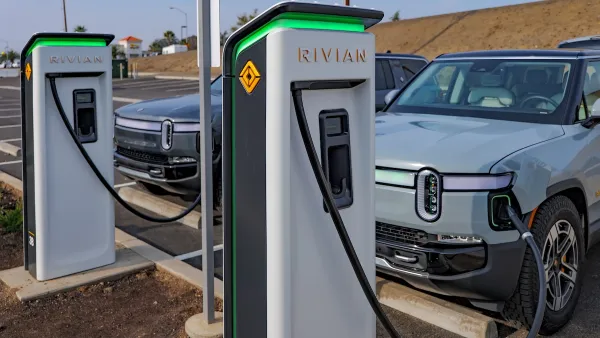
US Senate Reverses California EV Mandate
The state planned to phase out the sale of gas-powered cars by 2035, a goal some carmakers deemed impossible to meet.

Planetizen Federal Action Tracker
A weekly monitor of how Trump’s orders and actions are impacting planners and planning in America.

Data reveals that NYC’s bet on congestion pricing has paid off
After almost two years of the program, reports show positive impacts on traffic and air quality and no disruptions to parking.
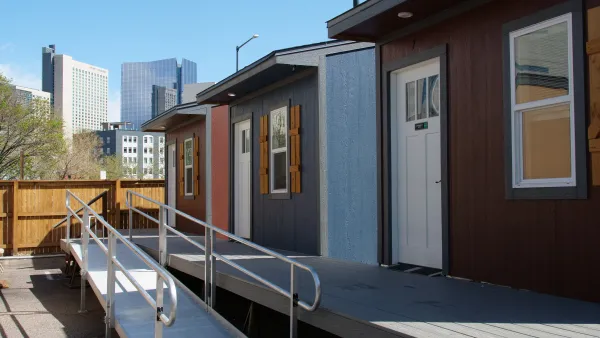
Denver is solving homelessness. Why aren't the rest of us?
Since 2023, Denver's street homeless population has decreased by 64%, proving that effective tools exist to support those in need of housing.

Chicago's streets are littered with dead birds. Will the city protect them?
Chicago sits in the route of migratory birds traveling south. Its abundance of glass buildings and bright lights make it particularly disorienting for the animals.

CA city to shut down airport, transform it into utopian park
The western side of the 200-acre park will feature a dog park, nature education center and arboretum.

NYC to vote on supporting outdoor dining, streamlining bus and bike lane creation
The city has five proposed amendments to its municipal constitution on the ballot this November.

FREE Course: Walkable City 1: Why Walkability?
After describing his path towards focusing on walkability as the essence of good planning, Jeff Speck marches through his five principal reasons for making more walkable places.
Reinventing Malls: Planning Alchemy—Turning Gray Fields Into Gold
The course focuses on the opportunities and imperatives that shape reinvention of mall sites.

City of Rosemead
Rutgers University, Edward J. Bloustein School of Planning and Public Policy
One Hundred Miles
The Architects Foundation
University of Cincinnati Online
Montrose County
Northern Illinois Transit Authority (NITA)
The Pocatello Development Authority