Community / Economic Development
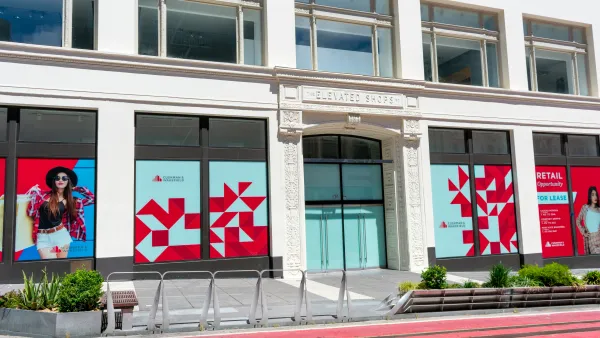
Few Landlords Pay San Francisco Vacancy Tax
Less than 3 percent of properties potentially subject to a new vacancy tax were filed as vacant in the last year, but empty storefronts in the city persist.
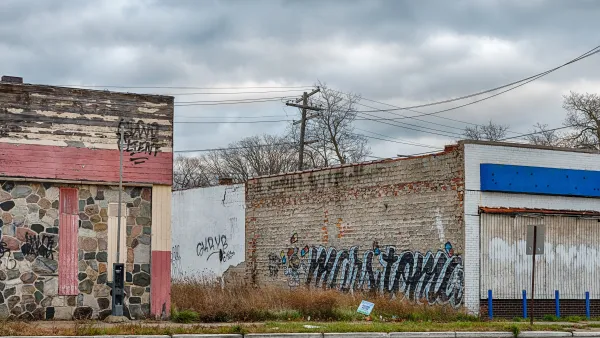
Proposed Land Value Tax Plan in Detroit
Detroit Mayor Mike Duggan proposes hiking property taxes for vacant land and buildings while lowering the rate for occupied homes and businesses in a split tax plan he contends will resolve many of Detroit's blight and high property tax woes.
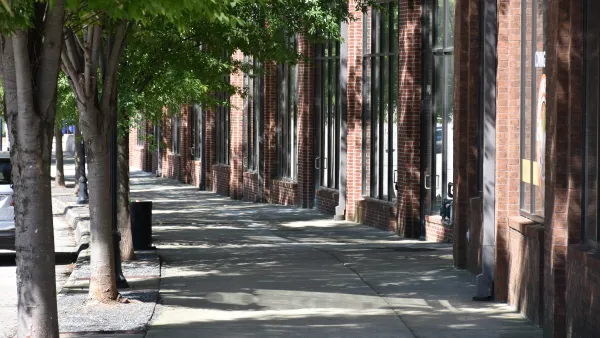
Cool Walkability Planning
Shadeways (covered sidewalks) and pedways (enclosed, climate controlled walkways) can provide comfortable walkability in hot climates. The Cool Walkshed Index can help plan these facilities.
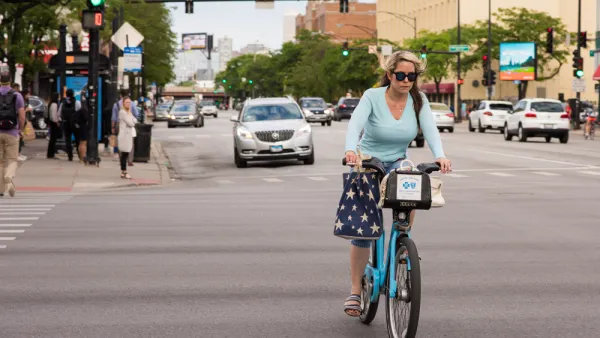
Micromobility Plus Transit Equals Jobs
Linking micromobility options to public transit can improve job acessibility, new research finds.
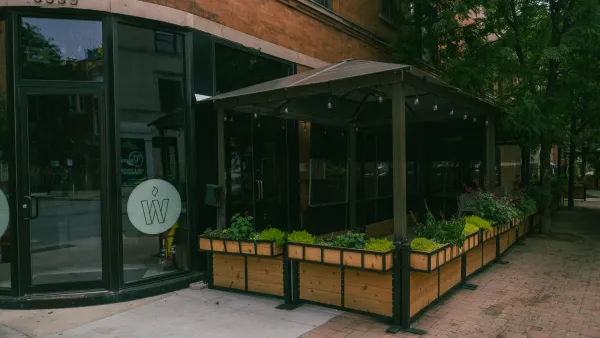
Chicago Mayor Proposes Permanent Outdoor Dining Program
The mayor’s proposal would create permanent rules for restaurants wanting to continue using their Covid-era outdoor dining setups or build new ones.

Can Pickleball Save Dying Malls?
The popular sport is getting backlash for taking over parks and other facilities. Now, the industry is partnering with mall developers to transform old department stores into pickleball courts.
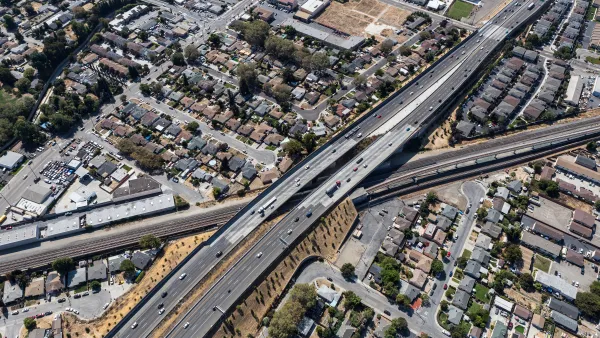
The Limitations of ‘Reconnecting Communities’
The Biden administration has pledged to correct the damage imposed on communities by highways and infrastructure, but many projects are only committing to minor improvements, not transformative changes.
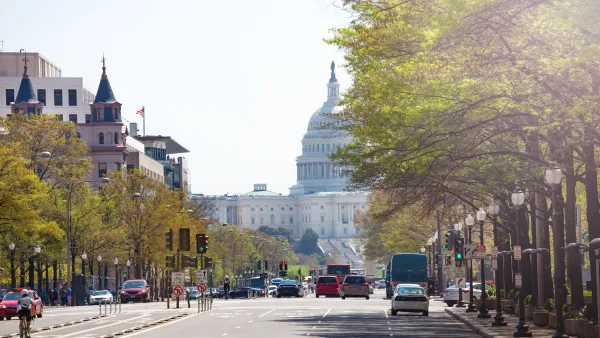
Opinion: Downtown D.C. Recovery Requires More Inclusive Planning
To meet its climate goals and revitalize its downtown core, the District must expand its transit and urban amenities to meet the needs of a wider variety of people.

Transforming Downtowns Into Functional Neighborhoods
Rather than ‘monofunctional’ business districts or urban playgrounds, American downtown districts could become multipurpose neighborhoods.
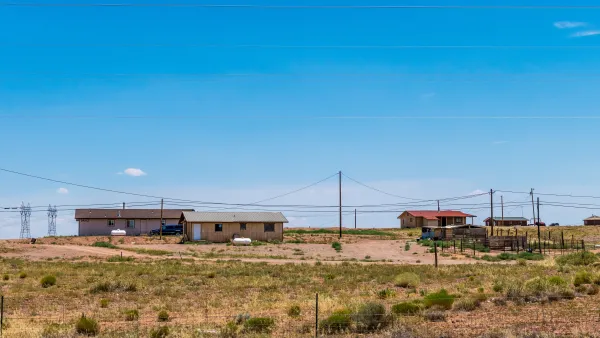
HUD Grants Support Housing and Infrastructure in Native Communities
The department announced $95 million in funding for housing renovations, infrastructure projects, and community facilities.
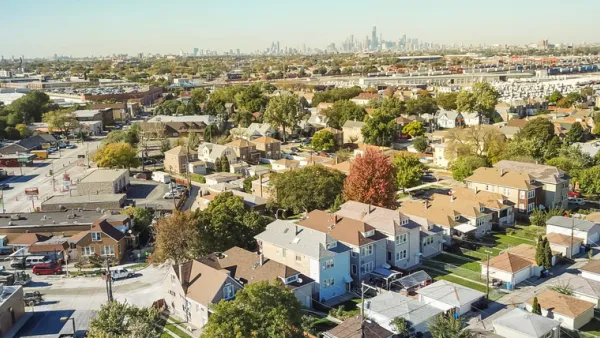
Assessing the Racial Home Valuation Gap
Research shows that homes in communities of color are consistently undervalued by, in some cases, over $1 million.
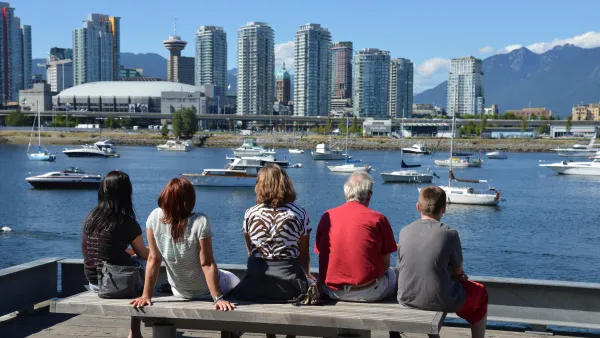
Ten Signs of a Resurgent Downtown
In GeekWire, Chuck Wolfe continues his exploration of a holistic and practical approach to post-pandemic urban center recovery, anchored in local context and community-driven initiatives that promote livability, safety, and sustainability.
Zoning Changes Could Allow More Restaurants and Bars in D.C. Neighborhoods
Zoning can limit more than just multi-family housing.

Is Twitter Still an Effective Planning Tool?
Twitter has been a daily dose of drama and upheaval ever since Elon Musk offered to pay over $40 billion to buy the social media platform. Media outlets and public transit agencies had been abandoning the social media platform—should planners?
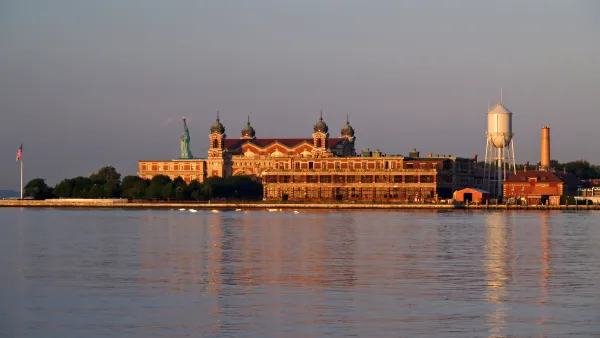
New York Suspends Land Use Reviews for Shelters
The Adams administration in New York City will relax the review process for homeless shelters to create new space for arriving asylum seekers.

New York City's Dancing Prohibition Remains a Barrier to Entry, Equality
New York’s 1960s-era zoning code still prohibits dancing in small bars and restaurants in more than 80 percent of the city, but Mayor Eric Adams and advocates want to change that.
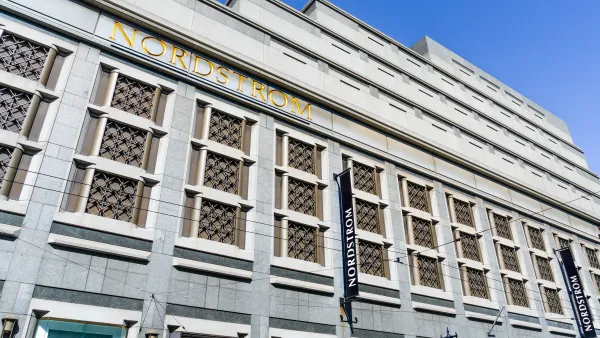
Recent Retail Closures in U.S. Cities Follow Trends Established Before the Pandemic
While some cling to debatable claims about higher crime rates as the cause for recent high-profile store closures in U.S. downtowns, the real reasons are more realistically extensions of the causes of the “retail apocalypse” from the before times.

How Can Urban Planning Address the ‘Loneliness Epidemic’?
The U.S. Surgeon General is sounding the alarm about the health effects of isolation. Planners have a role to play in rebuilding our “social infrastructure.”

Opinion: The Slippery Slope of Privatizing Public Works
The Biden administration is changing course on a century of policy in public works ownership and management, signaling a concerning shift toward privately owned, profit-driven utilities and other essential services.

Ensuring Equitable Park Access in Los Angeles County
Learn more about the Park Equity Alliance and how it is working to ensure equitable access to parks and recreation in L.A. County.

FREE Course: Walkable City 1: Why Walkability?
After describing his path towards focusing on walkability as the essence of good planning, Jeff Speck marches through his five principal reasons for making more walkable places.
Reinventing Malls: Planning Alchemy—Turning Gray Fields Into Gold
The course focuses on the opportunities and imperatives that shape reinvention of mall sites.

City of Rosemead
Rutgers University, Edward J. Bloustein School of Planning and Public Policy
One Hundred Miles
University of Michigan School for Environment and Sustainability (SEAS)
Hunter College, City University of New York (CUNY)
The Architects Foundation
City of Cambridge
Montrose County
The Pocatello Development Authority









