Community / Economic Development
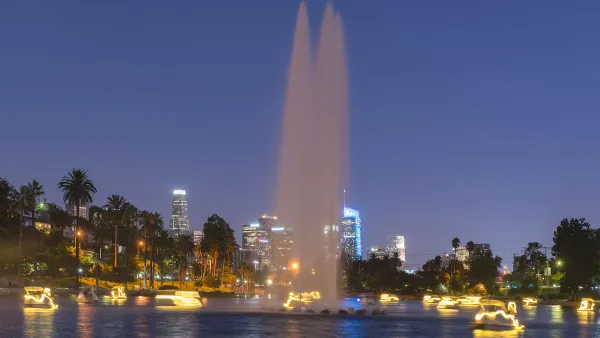
Recreational Programming Helps Communities to Thrive
Los Angeles County's popular and award-winning Parks After Dark program offers multiple important benefits, as documented in a recent UCLA study.
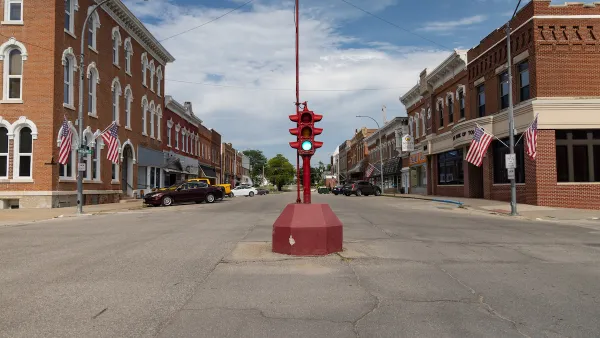
Iowa Towns Embrace a ‘Shrink Smart’ Approach
Population loss doesn’t have to be a harbinger of doom. Some rural communities are taking small but impactful steps to improve quality of life for their remaining residents.
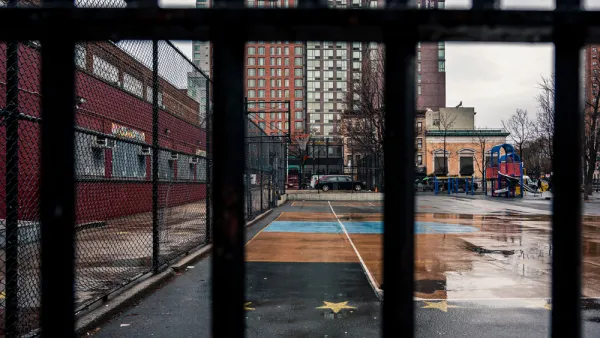
An Urbanist Agenda for Education
An opinion article by Angie Schmitt addresses the neglect of education policy in the urbanist political platform, and proposes two specific education policy goals for urbanists to get behind.
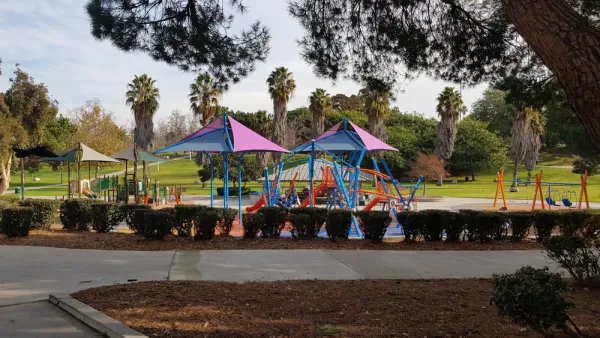
Protecting Kids from Climate Change by Greening Schools
Los Angeles Unified School District is in the process of implementing a plan to ensure that at least 30 percent of all campuses include green spaces by 2035.
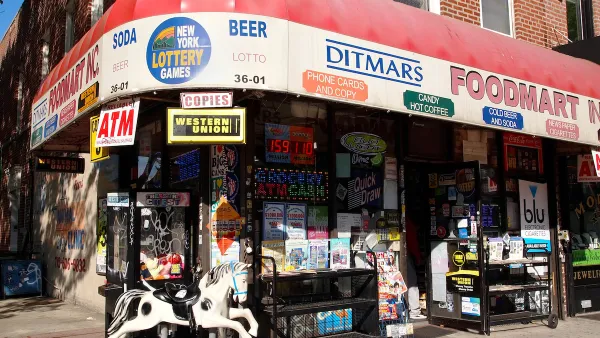
Bring Back the Corner Store
‘Accessory commercial units’ were once common across U.S. towns and cities. Now, zoning regulations make them illegal in many places.
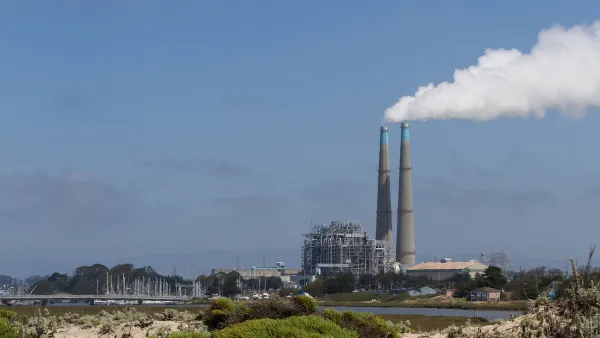
Making Natural Gas Power Plants Cleaner
Carbon capture and storage has long been associated with coal-burning power plants. Calpine Corp. hopes to apply the controversial technology to existing natural gas power plants, beginning with a pilot project to start this month in the Bay Area.
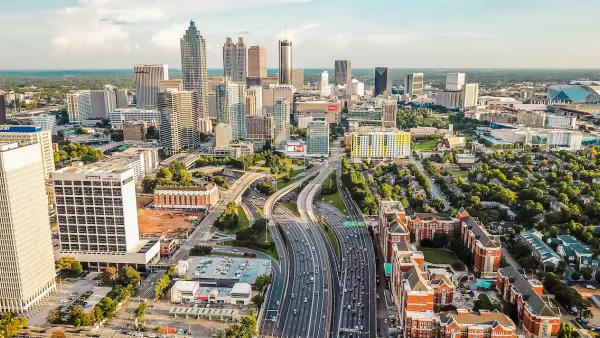
Quantifying the Losses Caused by New Freeways
Data shows cities lose millions in potential property taxes when highways displace homes and businesses.
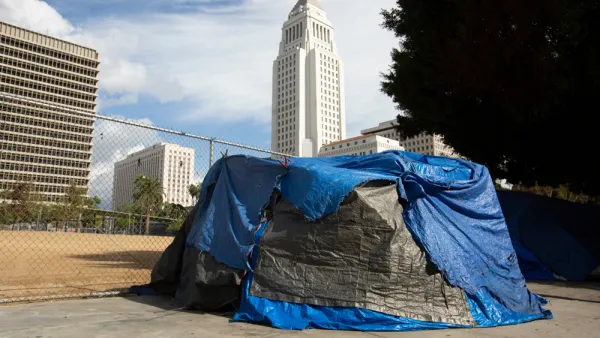
Los Angeles Wants to Transfer Public Land to Marginalized Groups
A systematic reparations plan has begun in the city of Los Angeles, though it’s still too early to tell about the scale and impact of the plan.

Report: Cities’ Climate Plans Fail to Include Workforce Development
While a few cities have detailed goals and investment strategies for building their green workforce, most U.S. cities fail to address the need for the training and education of a new generation of workers.
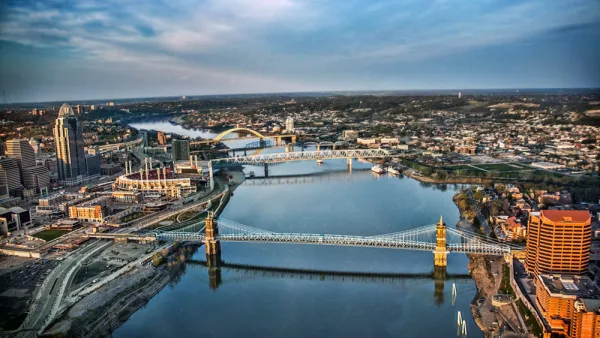
A Roundtable Discussion on the Future of Cities
Since the outbreak of the Covid-19 pandemic, there has been shortage of opinions on the coming evolution of cities. It’s time to check in with the debate.
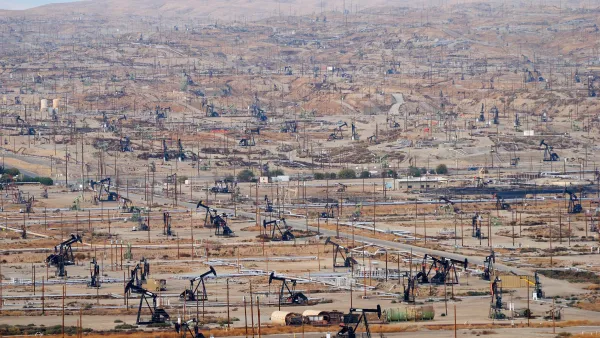
The ‘Necessity of Oil and Gas Drilling’
The California Supreme Court on Aug. 3 unanimously overturned a successful 2016 Monterey County ballot measure that banned new oil and gas drilling. According to plaintiff Chevron USA, the justices recognized the ‘necessity of oil and gas drilling.’
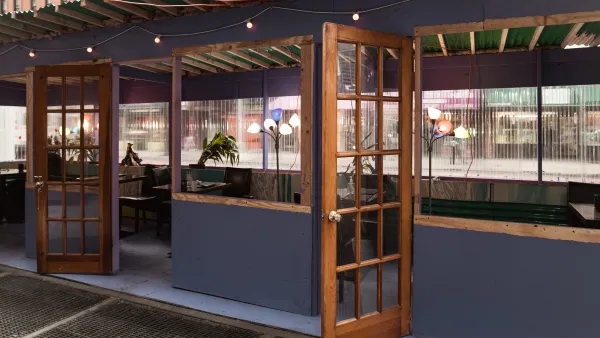
New York City Legalizes Outdoor Dining
Some restaurant owners worry the new requirements will make it too expensive to maintain outdoor dining structures.
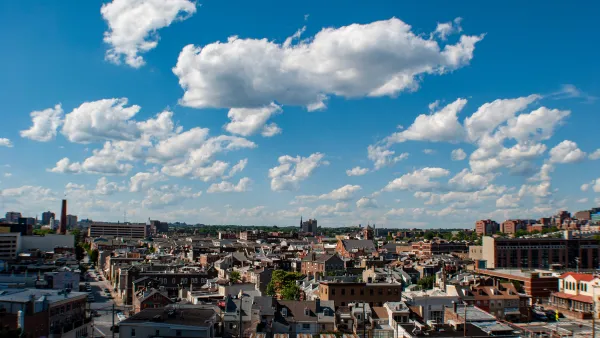
A Dirty Little Secret: Rising Property Values Are Incompatible With Affordability
Rising property values come with positive community development, but this shift can make neighborhoods inaccessible to low-income renters and fixed-income homeowners.

Federal Fuel Economy Rules Take Different Path than Emission Standards
The traditional approach for federal fuel economy and emissions standards is for the U.S. Department of Transportation and the Environmental Protection Agency to propose regulations simultaneously. This year is different.
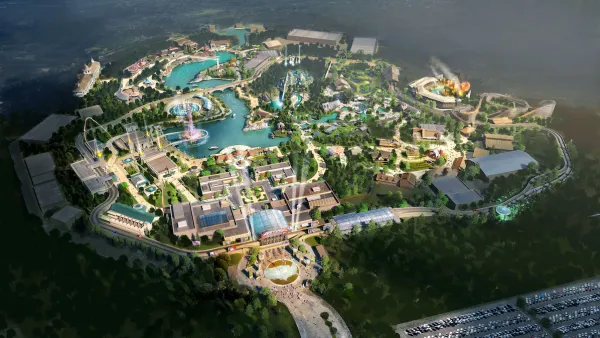
$2 Billion Theme Park to Rival Disney World Planned for Northeast Oklahoma
The "American Heartland Theme Park" is planned for 125 acres along Route 66 on the Cherokee Reservation in Oklahoma.
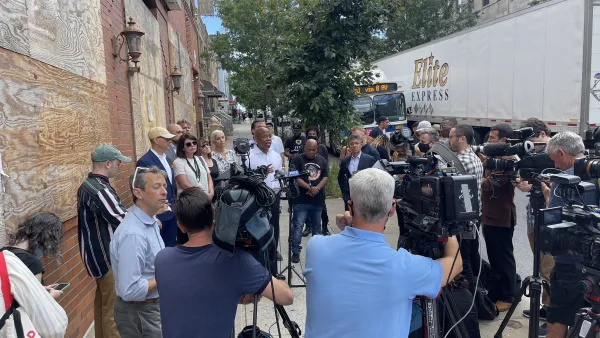
U.S. Mayors List Infrastructure as 2023’s Top Concern
The National League of Cities (NLC) has published an analysis of mayoral speeches from various U.S. cities, along with Census data and resident sentiments, in the latest edition of the annual “State of the Cities” report.

Community-Based Organizations Advancing Park Equity
July is Parks and Recreation Month and CBOs should be recognized for the important role they play in supporting parks and recreation in communities across the U.S.
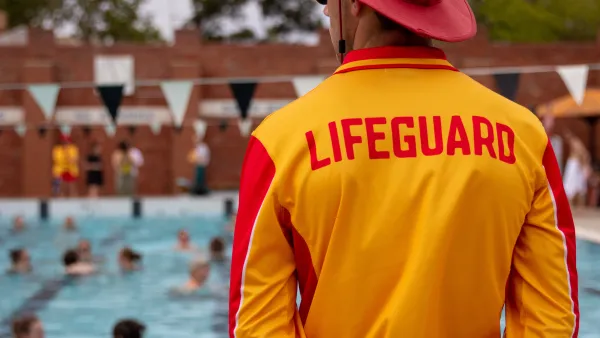
The Lifesaving Power of Public Pools
For many children who grow up without access to pools or lakes, access to swimming lessons and facilities can provide lifesaving skills.
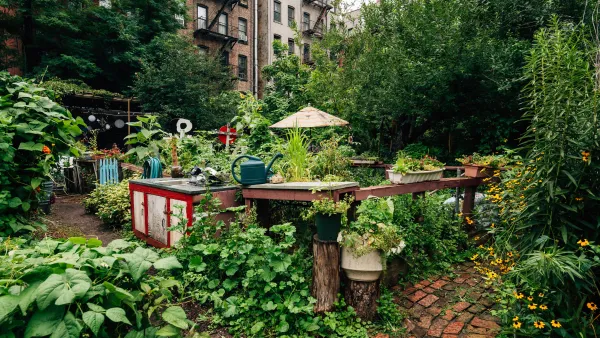
State Bill Protects New York’s Community Gardens
The legislation recognizes community gardens as vital urban spaces and an effective weapon against the impacts of climate change on cities.
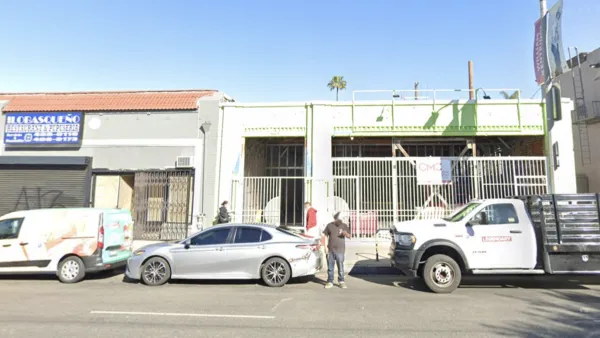
Another L.A. Gentrification Story
New art galleries are moving into a neighborhood recently dubbed ‘Melrose Hill,’ prompting both derision and concern on the part of local residents.

FREE Course: Walkable City 1: Why Walkability?
After describing his path towards focusing on walkability as the essence of good planning, Jeff Speck marches through his five principal reasons for making more walkable places.
Reinventing Malls: Planning Alchemy—Turning Gray Fields Into Gold
The course focuses on the opportunities and imperatives that shape reinvention of mall sites.

City of Rosemead
Rutgers University, Edward J. Bloustein School of Planning and Public Policy
One Hundred Miles
University of Michigan School for Environment and Sustainability (SEAS)
Hunter College, City University of New York (CUNY)
The Architects Foundation
City of Cambridge
Montrose County
The Pocatello Development Authority









