Community / Economic Development
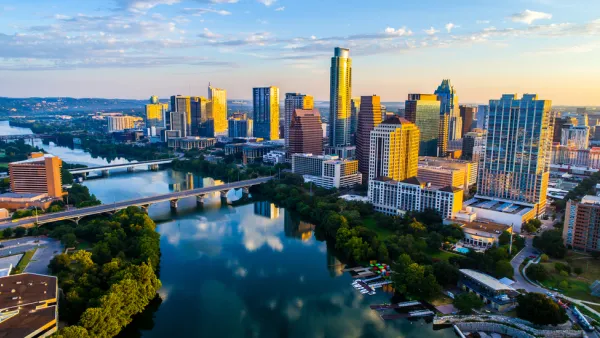
Austin’s Changing Skyline
Multiple proposed skyscrapers are changing the shape of once low-slung downtown Austin, signaling the growth of the city as a technology and manufacturing hub.

Cities Need Data to Secure and Maximize Federal Funding
To secure and maintain federal funding for projects and programs, local governments need data to identify priorities, support grant applications, and monitor and track progress.
Advancing Equity with Census Data
The U.S. Census Bureau offers a variety of data and tools that can be used by policy-makers and the public to better understand underserved communities and advance equity.

Transit-Oriented Development with Soccer
Learn about StationSoccer, an innovative program in Atlanta which connects communities through transit, soccer, and leadership training.
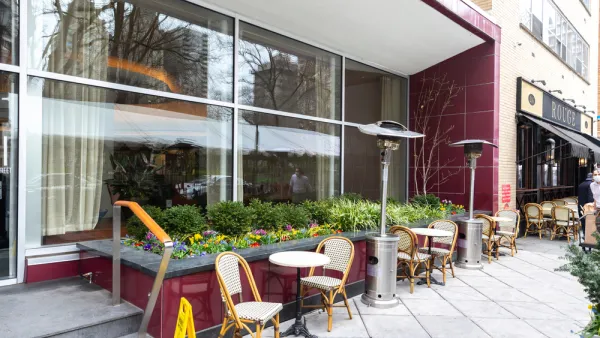
New Philadelphia Outdoor Dining Laws Exclude Most Restaurants
Restaurant owners argue that new requirements for the city’s permanent outdoor dining program are practically impossible for most of them to meet.

The Power of Urban Waterfronts
Humans' love of water makes waterways a particularly attractive urban amenity. Why did so many American cities let theirs languish?
Houston’s Restaurant Resurgence Points to Economic Recovery
The city’s restaurants are bouncing back faster than other industries, providing a key source of jobs.
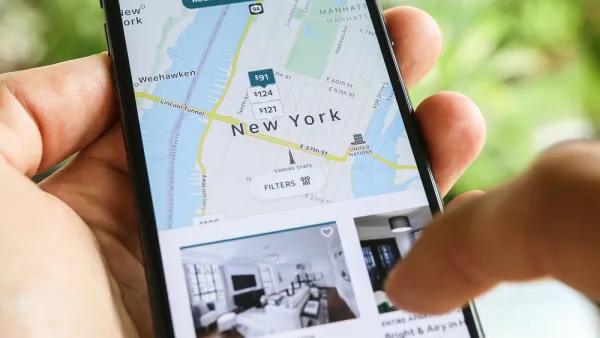
Centering Equity in Short-Term Rental Regulations
How can city officials mitigate the negative impacts of short-term rentals?

Legislature Clears Way for Detroit Convention Center Makeover
A redevelopment plan for Huntington Place would add hundreds of new hotel rooms and create riverfront connectivity.

How the Restaurant Scene Became a Symbol of Gentrification
While redevelopment-related displacement is the result of broader market forces and policy decisions, restaurants and cafes have become an emotionally charged flashpoint for the debate over gentrification.

Where Have All the Third Spaces Gone?
As businesses shortened their hours during the pandemic, Philadelphia residents found themselves with fewer options for places to spend their evenings.
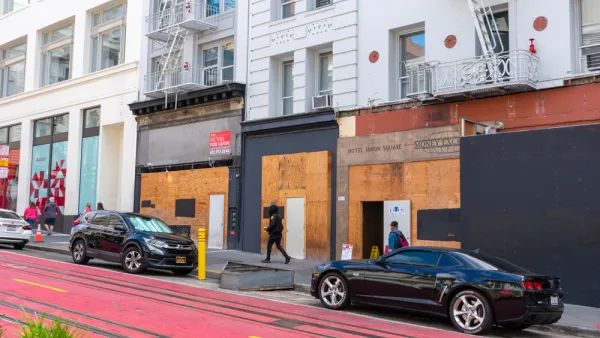
Planning Year in Review 2022: Downtowns, Transportation, Climate Change
Part two of a review of the major themes, debates, and events of the year in planning that was 2022.
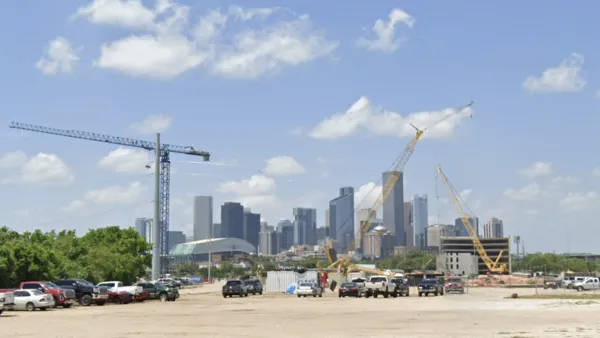
Gentrification in Houston’s Rapidly Changing East End
Two approaches to redevelopment reveal the nuances of gentrification and neighborhood change.
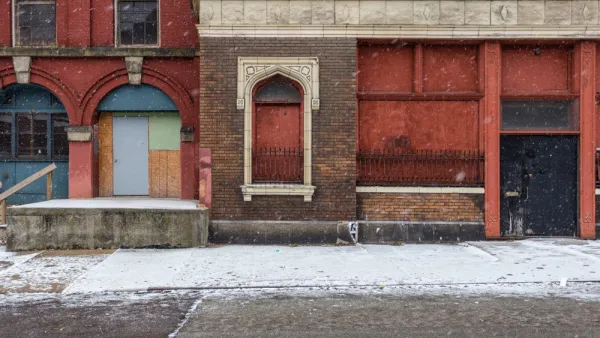
Ohio to Demolish Thousands of Vacant Buildings
The state is funding a $150 million effort to raze blighted buildings to accelerate revitalization.
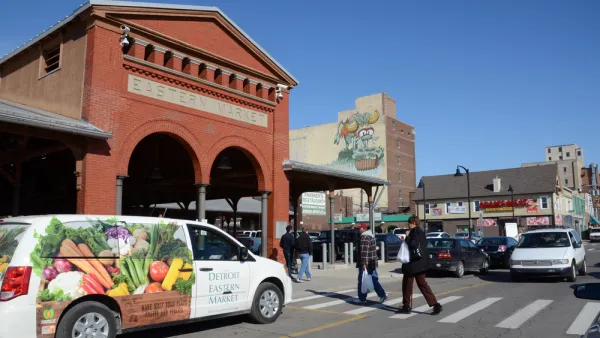
Placemaking Redefined by a New Era of Federal Investment
Six tips for ensuring that new placed-based funding programs, such as the Build Back Better Regional Challenge, achieve the full potential of a new era of place-based federal investment.
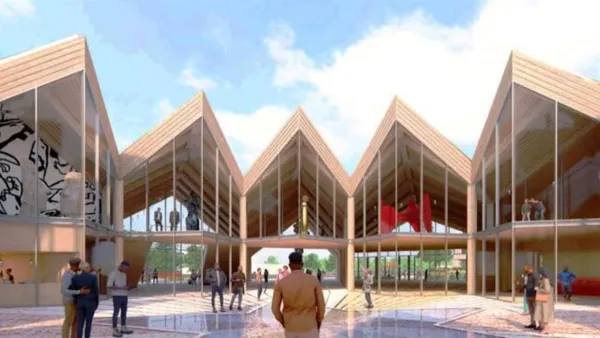
The Best, Worst, and Most Questionable in 2022 Architecture and Design
A list of innovative projects, intriguing design, and flummoxing failures.
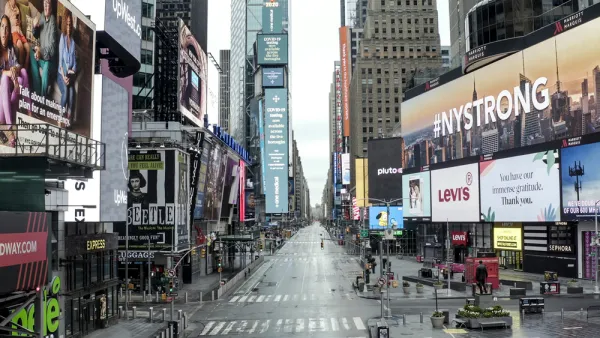
From ‘Urban Exodus’ to ‘Urban Doom Loop’
The initial shocks of the Covid 19 pandemic have become more persistent, and it’s time to start wondering what comes next for the communities on either side of the changes.
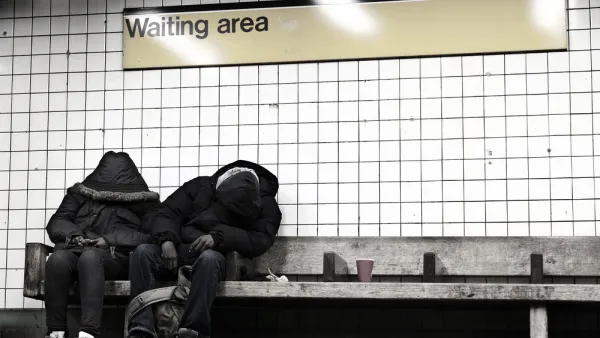
‘Housing First’ Pilot Launched in New York City
The city has started small with a “Housing First” approach to homelessness—moving 80 people experiencing homelessness into supportive housing in recent months.
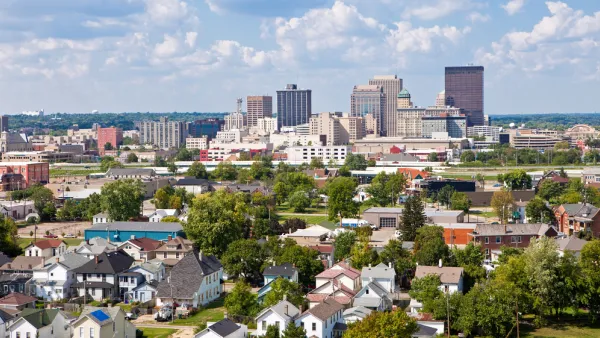
As Remote Work Persists, Ohio Cities Brace for Tax Revenue Losses
Cities like Dayton expect to see a reduction in income tax revenue as more remote workers begin paying taxes to their home jurisdictions.
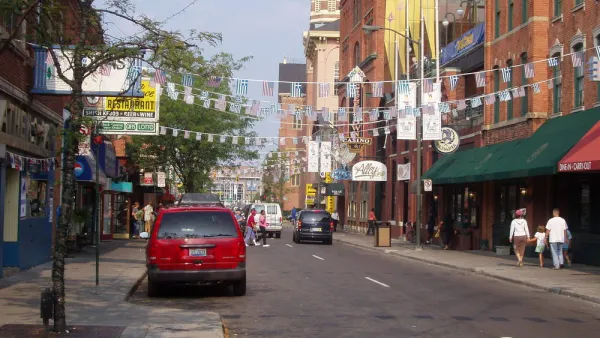
Detroit To Build New Parking for Small Businesses
The city will invest $9 million in an initiative to build customer parking on city-owned lots to boost economic development.

FREE Course: Walkable City 1: Why Walkability?
After describing his path towards focusing on walkability as the essence of good planning, Jeff Speck marches through his five principal reasons for making more walkable places.
Reinventing Malls: Planning Alchemy—Turning Gray Fields Into Gold
The course focuses on the opportunities and imperatives that shape reinvention of mall sites.

City of Rosemead
Rutgers University, Edward J. Bloustein School of Planning and Public Policy
One Hundred Miles
University of Michigan School for Environment and Sustainability (SEAS)
Hunter College, City University of New York (CUNY)
The Architects Foundation
City of Cambridge
Montrose County
The Pocatello Development Authority









