Community / Economic Development
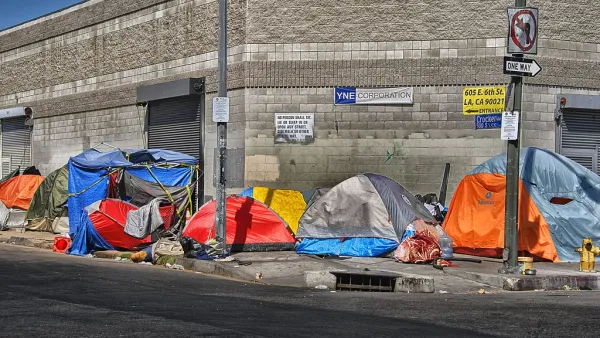
Financial Dire Straights for L.A.’s Skid Row Housing Trust
Terrible news about the financial situation at one of L.A.’s most prominent homeless service providers broke earlier this month.
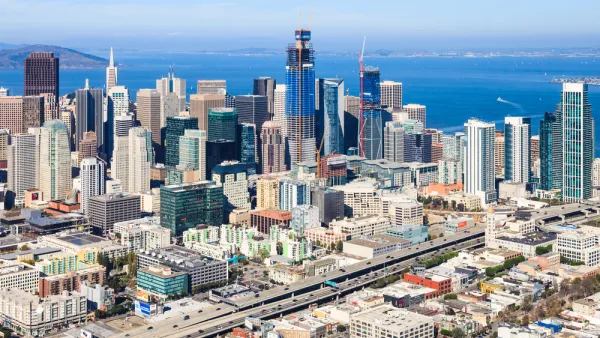
Op-Ed: San Francisco’s Downtown Plan Nothing Revelatory
Mayor London Breed’s newest proposal for revitalizing downtown San Francisco faces some sharp criticism for offering no new solutions after the city failed to deliver on goals and recommendations made in 2020.
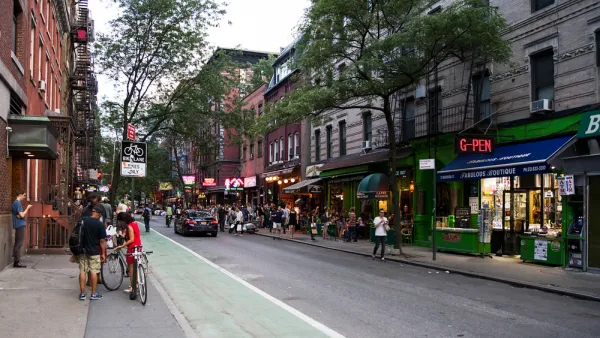
Jane Jacobs and Zoning
Does the work of Jane Jacobs support restrictive zoning?

Study: Extracurricular Activities Benefit Children’s Mental Health
A new study indicates that improving access to extracurricular activities (EA) may help address the growing mental health needs of children and caregivers.
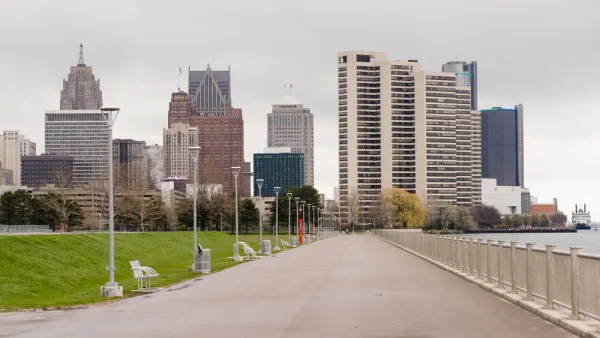
Shaping a 15-Minute City Vision for Detroit and Cleveland Using Data-Assisted Modeling
How master plans in the two cities hope to transform their historic, and historically underutilized, waterfronts.

‘We Will Chicago’ Plan Adopted in the Windy City
Chicago has its first “comprehensive plan” since the 1960s, but without a land use map, the “We Will Chicago” plan is devoted more to laying out the issues and challenges facing the city than setting new policies.
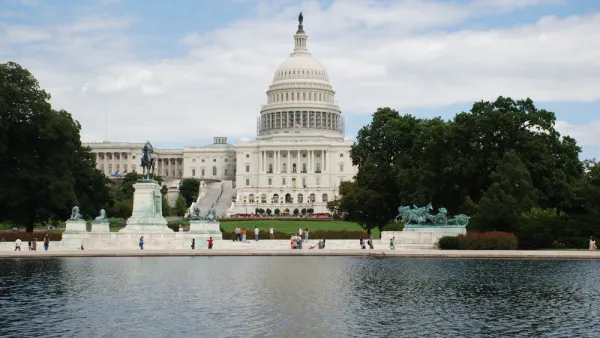
Feds Could Take Back ARPA Funding in Debt Ceiling Talks
Aid dollars not yet distributed to states and cities could be part of a Congressional ‘clawback,’ prompting concern from local leaders.
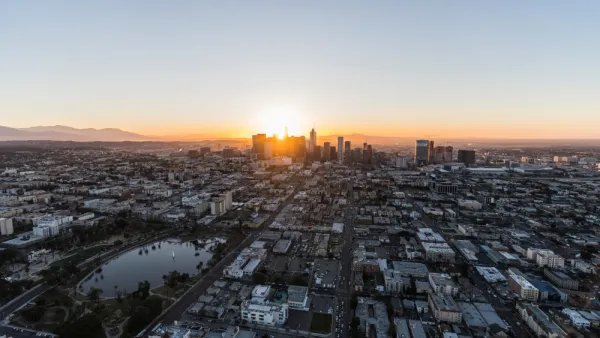
How L.A. County is Ensuring Data-Informed, Equity-Driven Implementation of the American Rescue Plan
Los Angeles County has developed a series of tools to democratize data on communities most impacted by COVID-19 and the American Rescue Plan (ARP) Act programs and services developed to serve them.
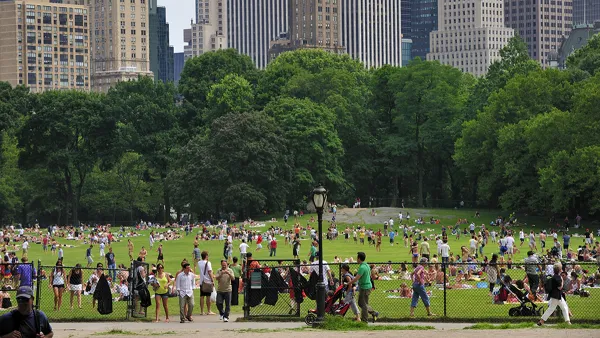
Economic Benefits of New York City Parks
A new study by the Trust for Public Land identifies the benefits and fiscal impacts of public parks and open spaces in New York City.
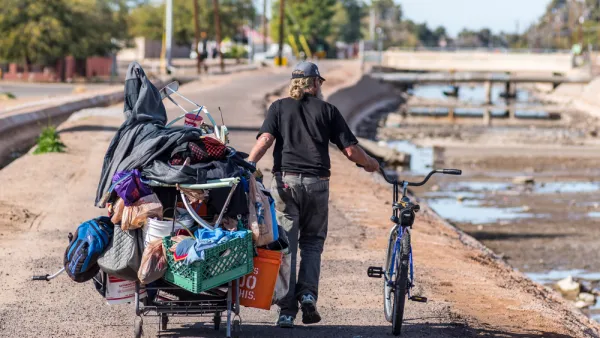
HUD Grants Total $315 Million for Continuum of Care for the Unhoused
An unprecedented federal grant program, announced earlier this month, will support continuum of care for the unhoused in unsheltered and rural settings.
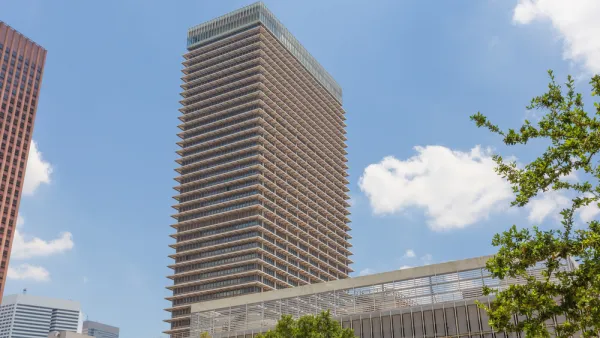
Exxon’s Former Houston Headquarters Could Become a Residential High Rise
The former headquarters of Humble Oil, a predecessor to Exxon, will be converted to apartments in Houston, after New York-based developers CMI Developers purchased the building with a plan for adaptive reuse.

Learning Loss and Urban Schools
Did urban students lose ground academically because of COVID? Yes, but no more so than suburbanites.
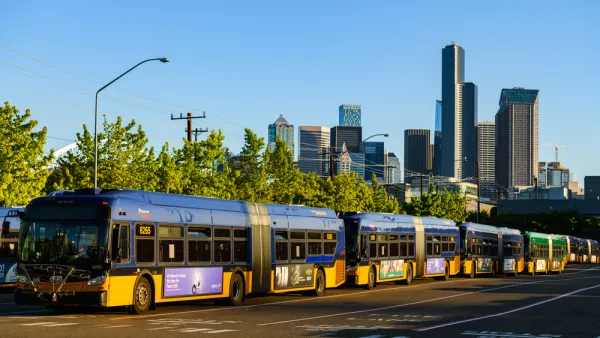
Seattle Brings Free Transit to Public Housing
Linking transit programs to housing can lower administrative costs and streamline the process for riders.

Lonely by Design: How Urban Planning Can Intensify Social Isolation
Walkable neighborhoods, access to parks, and opportunities for social interaction can help reduce the burden of loneliness and promote community. But many of our cities aren’t built this way.
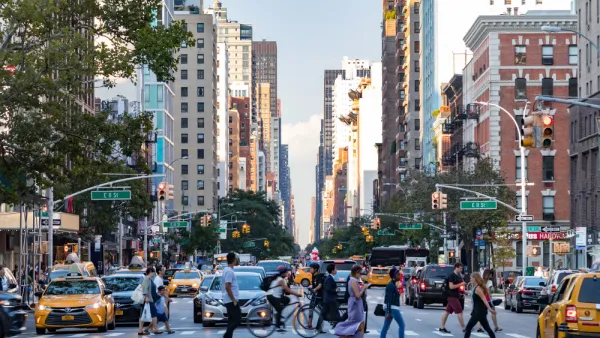
Foot Traffic Ahead: Report Reveals the Resilience of Walkable Places
Reports of the city’s death have been greatly exaggerated, according to new research from Smart Growth America.
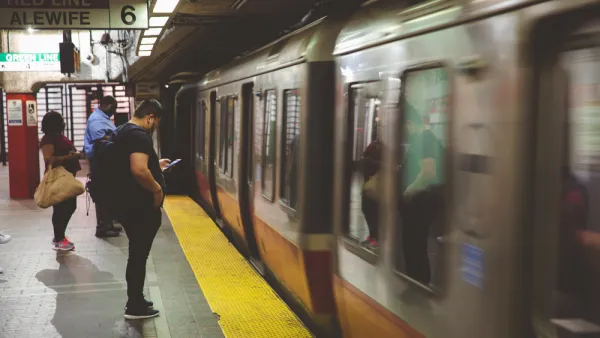
Assessing Transit Equity in Boston
The Transit Equity Dashboard highlights stark disparities in access to jobs, healthcare, and other essential services between Boston neighborhoods.
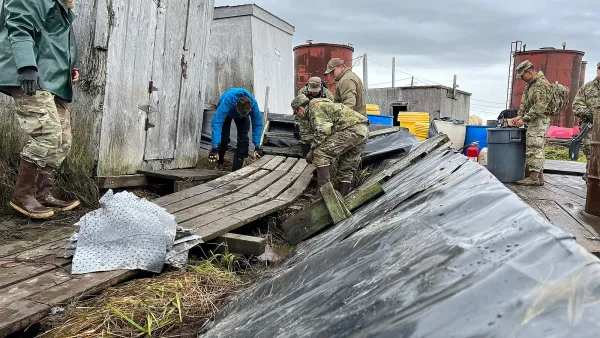
Federal Grants Aid Native Relocation, but Will They Be Enough?
Increasingly threatened by the impacts of climate change and extreme weather, many Native Alaskan and other indigenous communities will have to relocate—and soon.
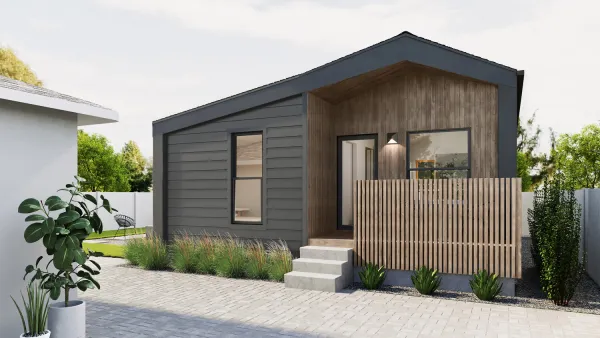
Taking the ADU Model to the Next Level
How can we get more accessory dwelling units built, keep them affordable, and make them a force for increasing racial equity?

Advancing Parks and Recreation with Census Data
Census data are used in a variety of ways that impact parks and recreation, including helping to determine where new parks are built and how funds for park projects and recreation programs are distributed.
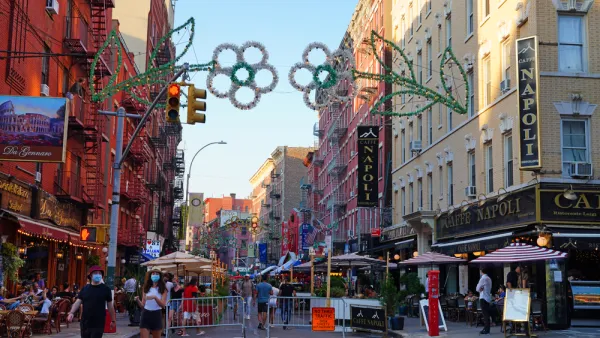
The Once-in-a-Generation Opportunity to Remake Downtown
Urban cores around the country were transforming into live, work, and play destinations before the pandemic. The pandemic was a setback for this transformation, but it could also be a rare opportunity. It’s up to city leadership to seize it.

FREE Course: Walkable City 1: Why Walkability?
After describing his path towards focusing on walkability as the essence of good planning, Jeff Speck marches through his five principal reasons for making more walkable places.
Reinventing Malls: Planning Alchemy—Turning Gray Fields Into Gold
The course focuses on the opportunities and imperatives that shape reinvention of mall sites.

City of Rosemead
Rutgers University, Edward J. Bloustein School of Planning and Public Policy
One Hundred Miles
University of Michigan School for Environment and Sustainability (SEAS)
Hunter College, City University of New York (CUNY)
The Architects Foundation
City of Cambridge
Montrose County
The Pocatello Development Authority









