Community / Economic Development

California Decline: Population Likely Peaked Three Years Ago
A July projection from the state's Demographic Research Unit indicates that the population in 2060 may be about what it is today.

Reno Plans Downtown Makeover
The ‘biggest little city’ plans to hire consultants to develop a plan for a more vibrant, more walkable downtown strip.
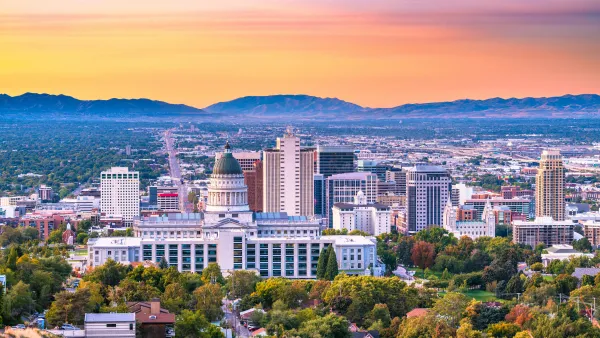
Salt Lake City Bucks Downtown Decline Trend
The city’s central business district is bustling with more activity than before the pandemic.

California Bill Would Streamline Permitting for Farmers’, Night Markets
The state currently has no unified process for night markets and other recurring events, making it difficult and costly for organizers.
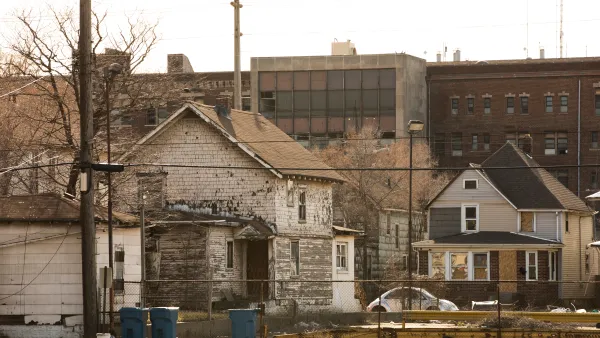
Commentary: Place-Based Policy Must Target Chronically Poor Areas
As more evidence shows that neighborhood-level factors heavily impact future outcomes, place-based policies should use more accurate measurements to ensure persistently poor places don’t fall through the cracks.
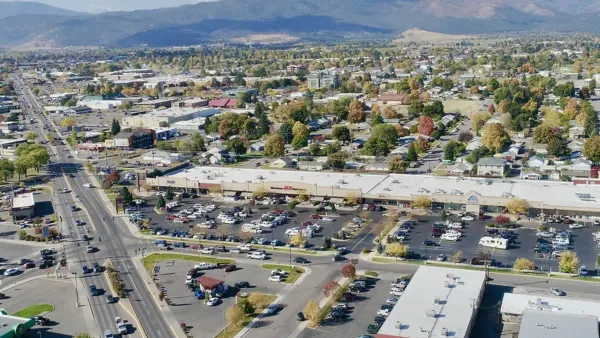
Midtown Master Plan Envisions More Walkable Missoula
The plan envisions safer, more walkable streets, more affordable housing, and improved opportunities for small businesses.
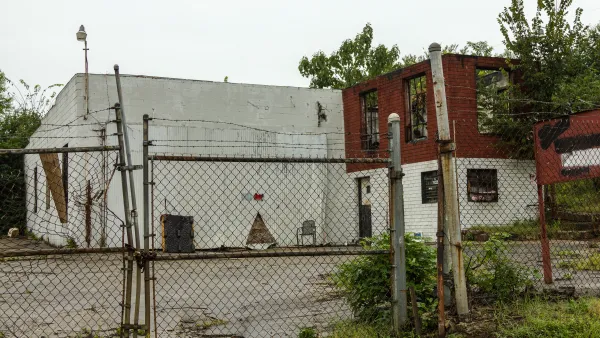
Map Identifies DeKalb County Brownfield Sites
The GIS tool is designed to help developers find vacant and blighted lots that could be restored for new housing or other uses.
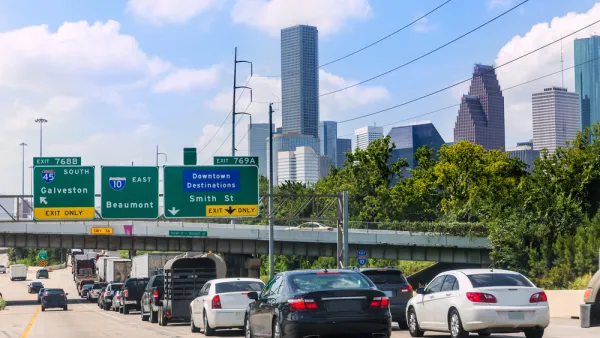
Houston’s Equity Score Leaves Room for Improvement
Houston is an international city, with a diverse population and economy. Its equity indicators, however, are relatively average compared to other U.S. cities.
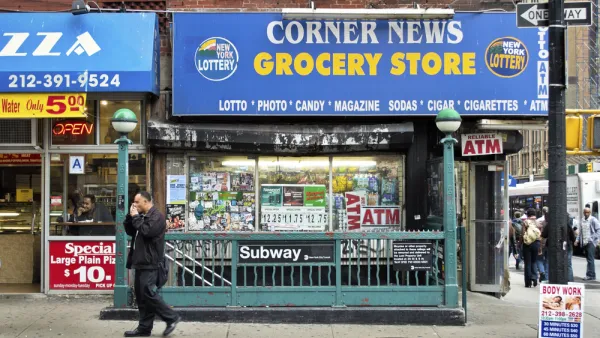
‘City of Yes’ Zoning Changes Take Shape in New York
The signature zoning and planning effort of the Adams administration took a step forward recently, with changes meant to clear red tape for businesses in New York City.

How to Make Documents More Accessible With Color Contrast
There are many ways planners can be more accessible in their work. This article will briefly touch on color contrast as one of the ways to improve accessibility in planning documents.
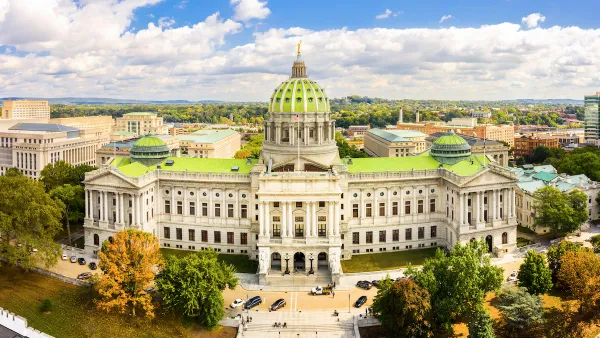
Pennsylvania Law Removes Obstacles to Blight Reduction
“We don’t need every old coal miner’s house” to stay standing, says Sen. David Argall (R-Schuylkill).

How Does an Economic Downturn Impact City Infrastructure?
From budget cuts to delayed maintenance projects, cities adapt, prioritize, and innovate amidst financial challenges to ensure sustainable and resilient urban environments.

Who Is Enjoying the Great Outdoors?
Findings from the 2023 Annual Outdoor Participation Trends Report reveals the “who, how, and where” in participation in outdoor recreation.

Residential Zoning Changes Make Room for Chickens
Yes in my backyard—for chickens.
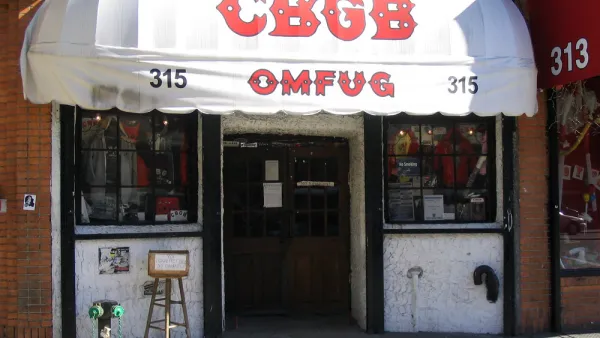
Opinion: Lower Rents Will Give Downtown Spaces Back to the ‘Weirdos’
Introducing the “CBGB theory of city planning.”
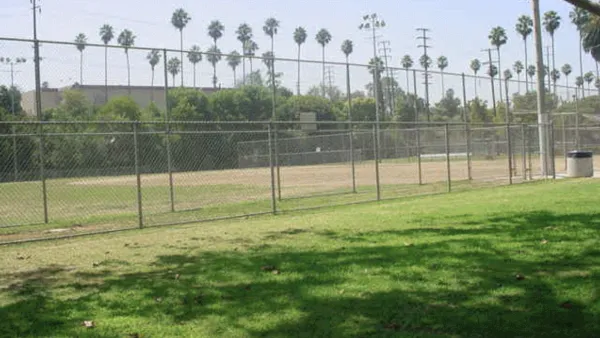
Improving Communities Through Baseball
The Los Angeles Dodgers Foundation (LADF) and the city of Inglewood recently unveiled two fields for baseball and softball, helping to revitalize a local park and bring hope to residents.

Parks and Recreation as a Health Solution
New research by the Trust for Public Land explores connections between urban parks and health, building on prior research and offering insights such as the growing importance of partnerships with health organizations.

A Fair Share for Walking
Most people value walkability, yet most communities underinvest in pedestrian facilities. Some jurisdictions are investing more in sidewalks and crosswalks in order to better serve community values.
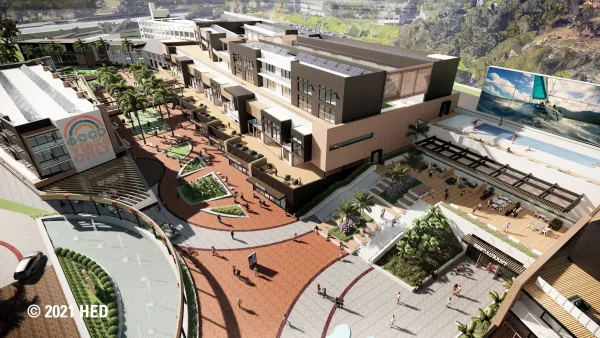
The Evolution of Retail Centers
Catalytic developments initiate economic and cultural improvements.
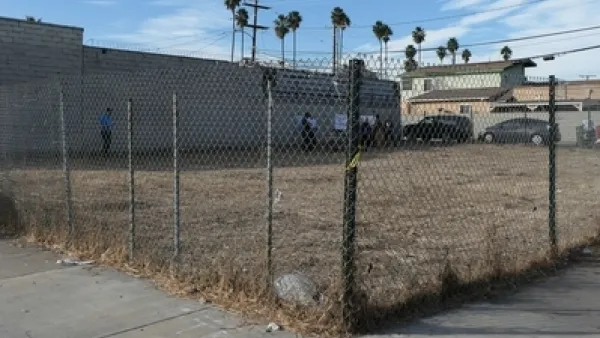
Improving Communities With Pocket Parks
Construction begins for a new pocket park in Westmont, an underserved unincorporated community in Los Angeles County.

FREE Course: Walkable City 1: Why Walkability?
After describing his path towards focusing on walkability as the essence of good planning, Jeff Speck marches through his five principal reasons for making more walkable places.
Reinventing Malls: Planning Alchemy—Turning Gray Fields Into Gold
The course focuses on the opportunities and imperatives that shape reinvention of mall sites.

City of Rosemead
Rutgers University, Edward J. Bloustein School of Planning and Public Policy
One Hundred Miles
University of Michigan School for Environment and Sustainability (SEAS)
Hunter College, City University of New York (CUNY)
The Architects Foundation
City of Cambridge
Montrose County
The Pocatello Development Authority









