Community / Economic Development
Why New Sources of Capital Matter for Cites
Cities are becoming the new economic engines due to growing sectors in technology and knowledge production. Yet, cities must recognize with that transformation there comes not only opportunities but also new challenges.
The Value of More Creative Play Areas for Children
As free-range children become an increasingly rare species, designers and psychologist are also questioning the effects of the sterile, innocuous playgrounds currently in fashion. How can play, and kids, get liberated again?

A Rust Belt Revival
The cities of the Rust Belt don't get much good news these days as they suffer the effects of de-industrialization. But things may be turning around in Cincinnati, where a major investment by General Electric may herald a downtown revival.
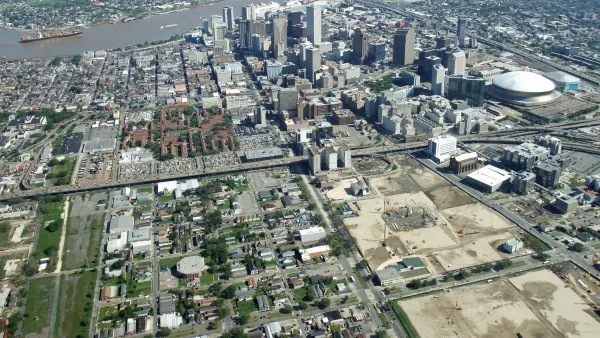
Q&A: New Orleans Planning is 'Visionary within the Envelope of Feasibility'
The following interview, as published in the 4th Edition of the Planetizen Guide to Graduate Urban Planning Programs, features Jason Neville, senior planner for the New Orleans Redevelopment Authority.
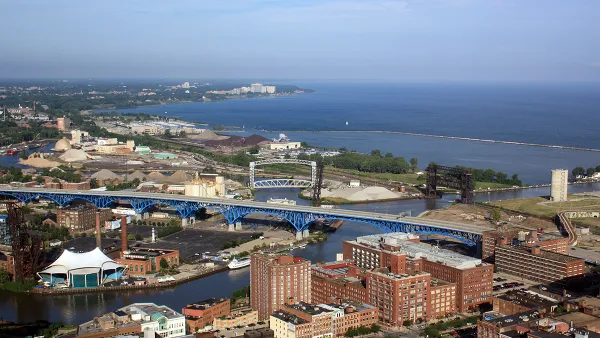
Developer in Cleveland Can Tax Patrons Directly
Lines between public and private blur as Flats East Bank takes on the mantle of a special tax district. If the measure goes through to completion, revenue will be used to fund public improvements.

Has the Urban Planning Profession Made You Boring?
Urban planning can be an exciting and rewarding profession. It can also be extremely political and sometimes downright boring.
Here's to the Winners of the Seaside Prize and to 'Attainable Housing'
Housing supply is offering up something that looks very different than what today's households want to buy.
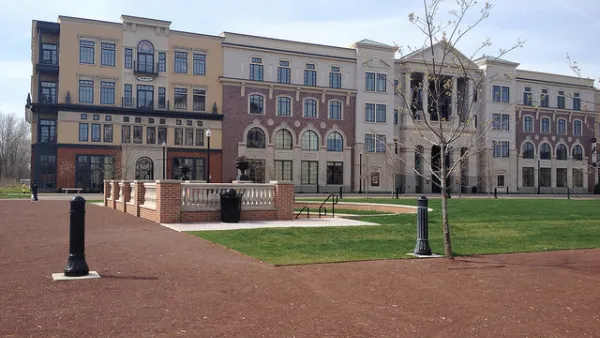
The Rise Of the Smart Growth Suburb
Most of the suburbs of the 20th century weren't designed to last more than a generation or two. As many suburbs decay, or get replaced by farther-flung rings of new bedroom communities, Carmel, Indiana is trying something different.
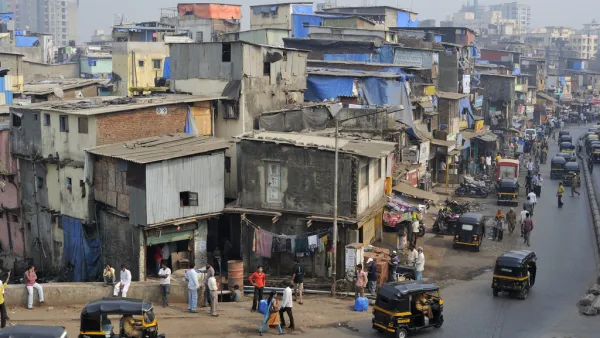
Allowing Higher Density to Fix Slums
Despite its economic dynamism, Mumbai is known for a lack of adequate housing. Citywide increases to maximum Floor Space Indices (i.e., Floor Area Ratios) will increase living space per resident, provided the right redevelopment takes place.
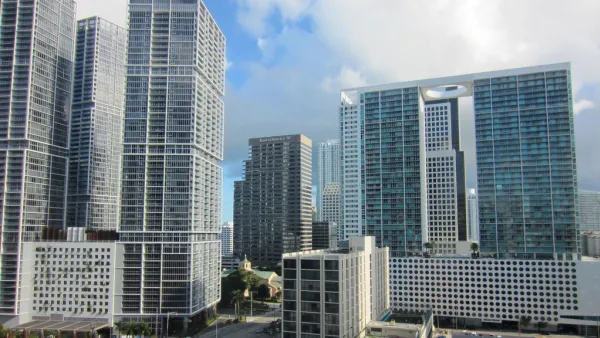
Miami's High-Rise Orthodoxy Hides a Better Way
Alastair Gordon lambasts Miami's high-end architectural extremes. A horizontal, nature-inspired urbanism might better address contradictions between breezy luxury and inland poverty.

What's so Miraculous about Minneapolis?
Minneapolis combines prosperity with plentiful affordable housing, an increasing rarity. Geographical factors play a role, but longstanding "fiscal equalization" policies may make the difference.
Long Island Searching for Direction
Although it hosts some of the nation’s first and most successful auto suburbs, Long Island has experienced a downturn. This infographic-focused piece delves into the reasons why.
The Resurgence of Anti-Homeless Policy and Design
A report by researchers at the University of California, Berkeley tracks the proliferation of vagrancy laws in the Golden State. Meanwhile, The Guardian notes the spread of so-called "defensive architecture."
Falling Crop Prices Bring Boom Times for Subsidized 'Farmers'
2014 federal legislation reformed the system by which farm subsidies are allotted, designed to save taxpayers $23 billion over a decade. However, falling crop prices mean the system could end up costing even more.
How to End Homelessness? Start—and Finish—With Veterans
We are so close to this goal. We should not change our focus before we meet it.
Lessons from 'The Human Scale'
How can we redirect our city building into a form that can handle the expected doubling of urban residents over the next 40 years? Great ideas can be found in this collection of soundbites from the film, "The Human Scale."

Five Reasons for Cities to Punt NFL Teams
While citizens of San Diego, Oakland, and St. Louis argue over whether they can afford to keep their NFL teams, overlooked are the benefits of being rid of them, writes land use attorney and San Diego Chargers fan William Adams.
Greenprint 2015/2040 Plan Calls for 500 Miles of Greenways in the Memphis Region
A regional coalition has spent three years planning a network of greenspaces that will span in the Tri-State area surrounding Memphis, Tennessee. The Greenprint 2015/2040 plan was released to the public last week.
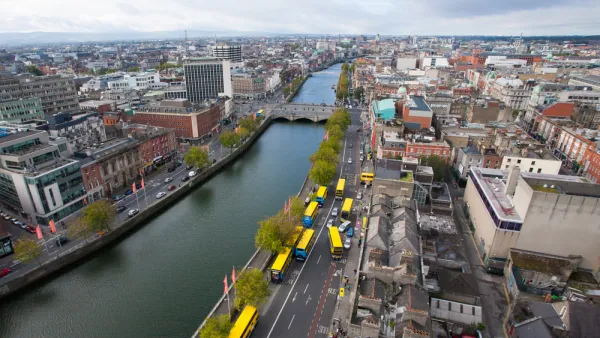
Reading Cities Cover to Cover, and Why
Chuck Wolfe underscores the importance of a holistic view of urban places, referencing themes of common experience, aesthetics, feelings of happiness, safety, or security—a basic narrative of the city that often goes beyond first impressions.

Is California's High Speed Rail the Transcontinental Railroad of its Time?
Journalist Kathleen Sharp, whose great-grandfather worked on the transcontinental railroad, draws comparisons between that epic achievement and the construction of California's high speed rail in this New York Times op-ed.

FREE Course: Walkable City 1: Why Walkability?
After describing his path towards focusing on walkability as the essence of good planning, Jeff Speck marches through his five principal reasons for making more walkable places.
Reinventing Malls: Planning Alchemy—Turning Gray Fields Into Gold
The course focuses on the opportunities and imperatives that shape reinvention of mall sites.

KFH Group Inc.
Greater Baltimore Committee
Eagle County Government
The Architects Foundation
University of Cincinnati Online
The Pocatello Development Authority
The Urban Renewal Agency of the City of Pocatello