Community / Economic Development
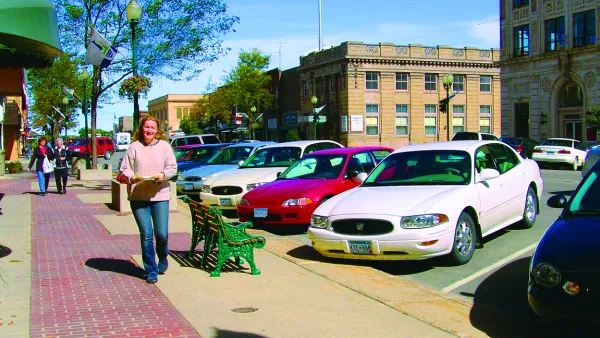
The Walkable, Healthy Rural Community: A Case Study
Albert Lea, Minnesota proves that small towns can reinvent themselves—often faster than big cities—and that walkable communities aren't only possible in urban neighborhoods.
Harvard Report: Fracking Yields Equity Gains for American Workforce
A new Harvard Business School report lays the economic and equity case for fracking—through direct and indirect job creation, America's middle class is reaping substantial wage gains and reduced energy costs. Renewables are also discussed.
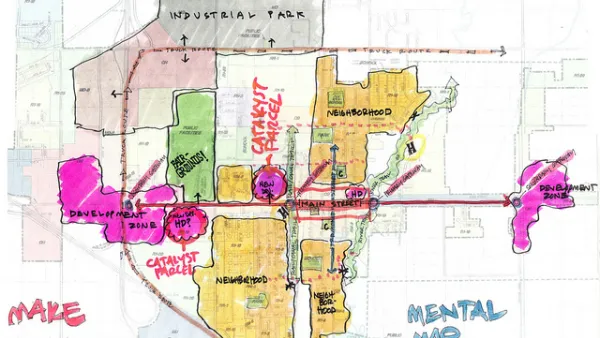
Using Neuroscience to Build Neighborhoods
The brain has a complex, ancient relationship with place. Mental maps are the manifestation of our brains' perception of place and wayfinding. These maps can have profound impacts on how residents appreciate, and improve, their neighborhoods.
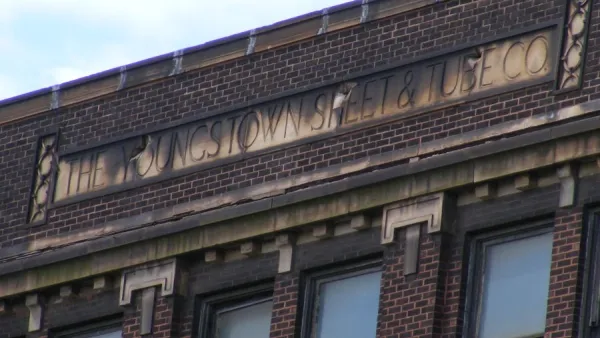
Youngstown: Another Downtown Revitalizes
Earning negative press as a put-America-back-to-work campaign stop, the Ohio city also suffered from reported connections to crime. Now private developers are working alongside Youngstown State to bring people back.
Detroit's Vacant Properties Strategy Explained
The Detroit Free Press offers clear analysis of the multiple ongoing efforts in Detroit to improve vacant and blighted properties and return them to the benefit of the city's neighborhoods and residents.

U.S. Opposition to New Development
New data from the 2015 Saint Index shows what projects provoke the most opposition in the United States when proposed "In your community."
McKinney: Public, Private Divide Often Follows Race
Urbanism media noted the growing privatization of recreation facilities, such as pools, as one of the lessons to be taken from a controversial encounter between police and black teenagers in McKinney, Texas over the weekend.
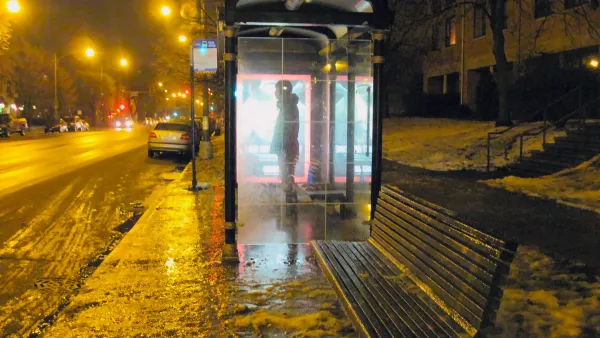
People Still Want Buses, But Buses Aren't Delivering
Urban light rail has enjoyed a renaissance since the Great Recession, but during the same period cities have quietly reduced bus service. Daniel Hertz argues that while rail is commendable, buses remain a vital transit component.
Should Young Artists Move to Detroit?
Two University of North Carolina School of the Arts students spend a month investigating the artistic climate of Detroit and whether it's a place where young theater artists should move.
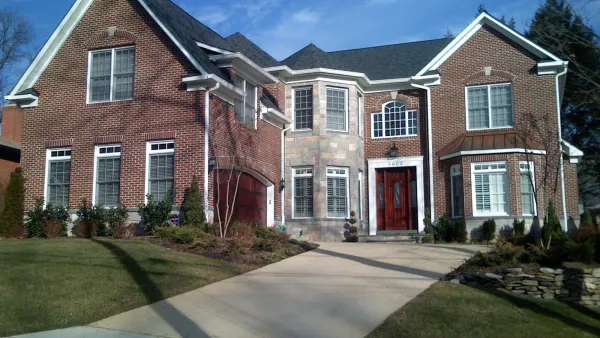
More McMansions: Upscaling Suburbia
According to this article, the market forces behind large home construction are alive and well. In a process of suburban gentrification, developers purchase older, smaller homes and build "McMansions" in their place.
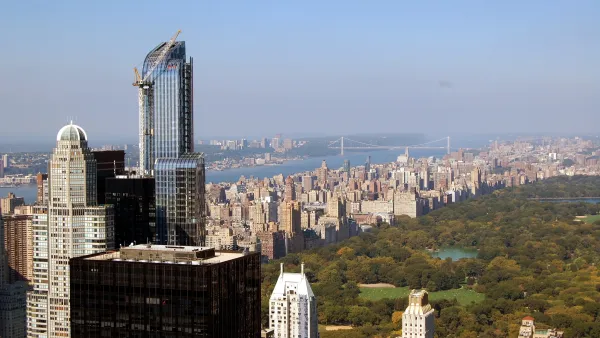
Why New York Barely Taxes Its Billionaires
If taxed at an average rate, the buyer of One57's $100.5 million penthouse should have paid $1.3 million in property taxes. Instead, the property was assessed at $17,000. Here's why.

San Francisco's Proposed Housing Moratorium Is a Bad Idea
After San Francisco Supervisors reject housing moratorium, proponents vow ballot initiative. But a moratorium is the wrong solution to the problem and would likely lead to continued price increases, condo conversions, and Ellis Act evictions.
The Plaza: What Makes a Community Living Room?
The Plaza can behave as the community living room. Why is this so hard to get right in post-WWII U.S.?
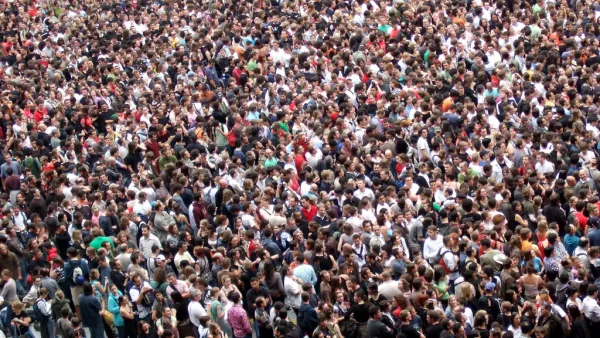
Whatever Happened to the Population Bomb?
Biology Professor Paul Ehrlich's 1968 book, "The Population Bomb," took America and the world by storm. The apocalyptic vision based of population outgrowing its resources appeared to make inherent sense.
Get Off the Ground with Community Investing
We're all familiar with the now ubiquitous Kickstarter campaigns, but what about some other tools to help crowdfund local retail and development?
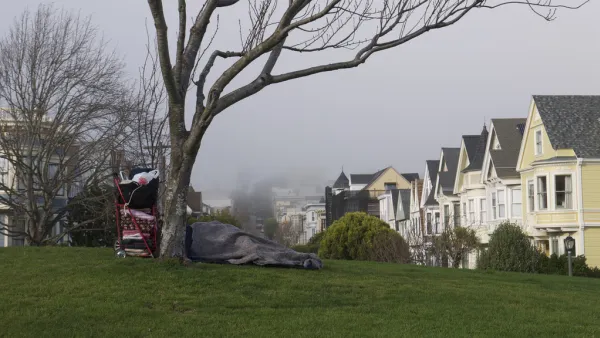
San Francisco Mayor to Increase Homeless Relief
Mayor Ed Lee has announced plans to devote $28.9 million to housing, medical aid, and counseling programs. Nonprofits will partner with the city in an effort to put rising municipal revenue to good use.

China Submerged: Mapping Nightmare Sea Levels
Cartographer Jeffrey Linn has compiled maps of how coastal China would look under risen seas. Over 40 percent of the country's population lives in potentially affected regions.
Poor Suburbs Struggle with Job Sprawl
Although unemployment has declined, according to this report commutes are getting longer. "Job sprawl" often plagues minority and poor areas where housing is more affordable.
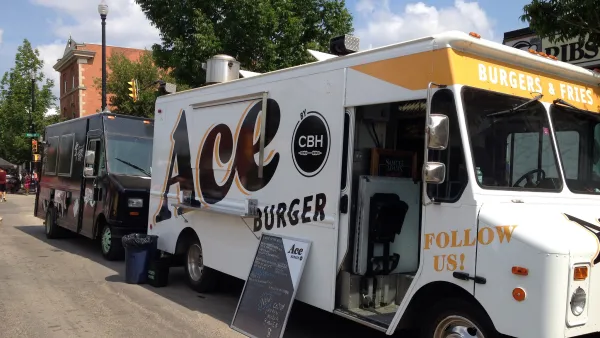
Proposed Boulder Food Park Faces Zoning Challenges
The proposed Boulder Food Park repurposes a decrepit site into usable space for food truck patrons. Since the site is adjacent to a brick-and-mortar restaurant, a zoning exemption may be required.
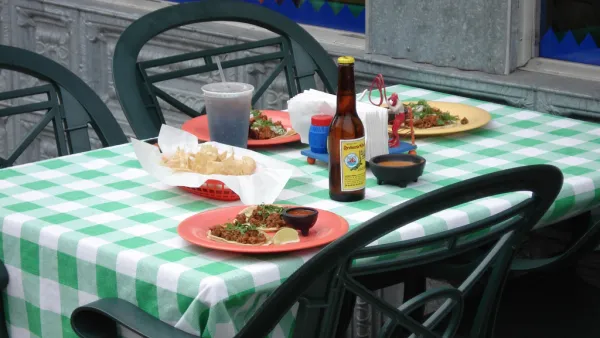
Trendy Chicago Taco Bell to Serve Alcoholic Drinks
Would you like a cerveza with that? A hip neighborhood in Chicago will play host to the first alcohol-serving Taco Bell. Isolated incident, or the future of fast food?

FREE Course: Walkable City 1: Why Walkability?
After describing his path towards focusing on walkability as the essence of good planning, Jeff Speck marches through his five principal reasons for making more walkable places.
Reinventing Malls: Planning Alchemy—Turning Gray Fields Into Gold
The course focuses on the opportunities and imperatives that shape reinvention of mall sites.

City of Rosemead
Rutgers University, Edward J. Bloustein School of Planning and Public Policy
One Hundred Miles
University of Michigan School for Environment and Sustainability (SEAS)
Hunter College, City University of New York (CUNY)
The Architects Foundation
City of Cambridge
Montrose County
The Pocatello Development Authority









