2014 federal legislation reformed the system by which farm subsidies are allotted, designed to save taxpayers $23 billion over a decade. However, falling crop prices mean the system could end up costing even more.


According to The Economist, "to be treated as a farmer in America doesn’t necessarily require you to grow any crops."
The article's provocative style isn't contained just in that lede. The graphic at the top of the story includes photos of the hardly working "farmers" that have received farming subsidies from the federal government since 1995—recognizable faces like Bruce Springstreen and Jon Bon Jovi as well as Alice, Jim, and Rob Walton (of Walmart) and Penny Pritzker, U.S. Secretary of Commerce and billionaire.
But those are only specific, high-profile offenders in a system that adds up: "According to the Government Accountability Office, between 2007 and 2011 Uncle Sam paid some $3m in subsidies to 2,300 farms where no crop of any sort was grown. Between 2008 and 2012, $10.6m was paid to farmers who had been dead for over a year."
Although Agriculture Secretary Tom Vilsak spearheaded 2014 legislation that "abolished direct payments based on land ownership," but the new system, coupled with falling crop prices, mean "taxpayers are braced to be fleeced again."
Read the full story: Milking taxpayers

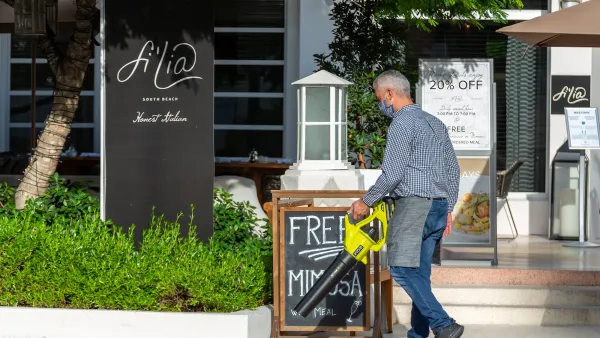
Florida Farm Bill Blocks Local Bans on Gas-Powered Tools
The law also paves the way for agricultural uses on land previously designated for conservation.
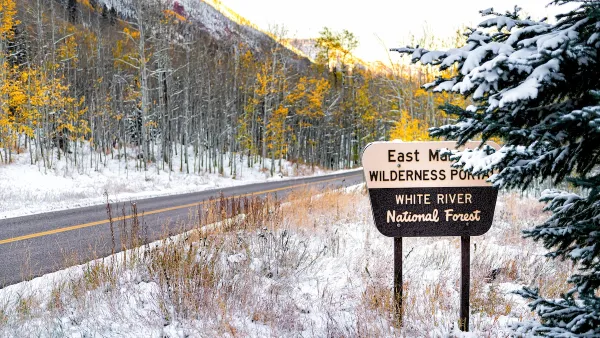
Future Uncertain for Housing Program Tied to Farm Bill
A provision that allows the federal government to lease some of its lands for affordable housing development could lapse if Congress fails to renew the Farm Bill.
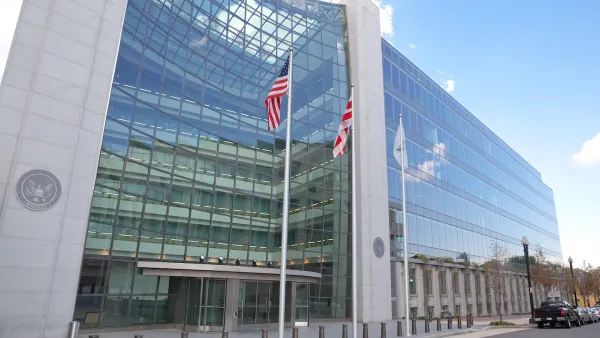
Office Vacancies at Federal Agencies as High as 75 Percent
Many federal agencies are sitting on underutilized buildings, causing a congressional committee to call into question the need for so much real estate.

Planetizen Federal Action Tracker
A weekly monitor of how Trump’s orders and actions are impacting planners and planning in America.

The state-sanctioned urbicide of Austin
People don’t kill cities. Freeways do.

US to reduce Colorado River water deliveries to Mexico
A new Colorado Treaty amendment reduces Mexico’s Colorado River water allocation by 250,000 acre feet.

Nation's most wind-powered state turns to coal as data centers increase energy demand
For the first time in decades, Iowa has increased its generation of coal power.

NYC cools commuters with city's first rain garden above a bus stop
New York City officials say the plants in the rain garden can absorb 16 gallons of rainwater during heavy storms.

Brightline West’s future may rely on $6 billion federal loan
The company has until Nov. 2 to make a $400 million equity investment into its proposed high-speed rail line.

FREE Course: Walkable City 1: Why Walkability?
After describing his path towards focusing on walkability as the essence of good planning, Jeff Speck marches through his five principal reasons for making more walkable places.
Reinventing Malls: Planning Alchemy—Turning Gray Fields Into Gold
The course focuses on the opportunities and imperatives that shape reinvention of mall sites.

Eagle County Government
Harvard University Graduate School of Design
Nashville Planning Department
The Architects Foundation
University of Cincinnati Online
The Pocatello Development Authority
The Urban Renewal Agency of the City of Pocatello
Journal of the American Planning Association