Asia-Pacific
China, Japan, other South East Asian countries, Australia, New Zealand, and Pacific Islands countries.
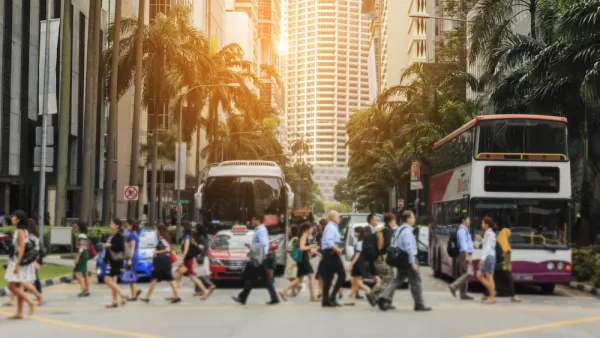
The Singapore Exception
Singapore, Taiwan, and Hong Kong were credited early in the pandemic with having successfully contained the coronavirus without resorting to lockdowns. However, Singapore lost its standing in that elite group. Crowding vs. density may explain why.

Coronavirus Success Stories
While the U.S. leads the world in COVID-19 infections and deaths, a small group of nations defied the odds and has shown remarkable success in containing the coronavirus. NPR investigates what they share in common, with a focus on New Zealand.
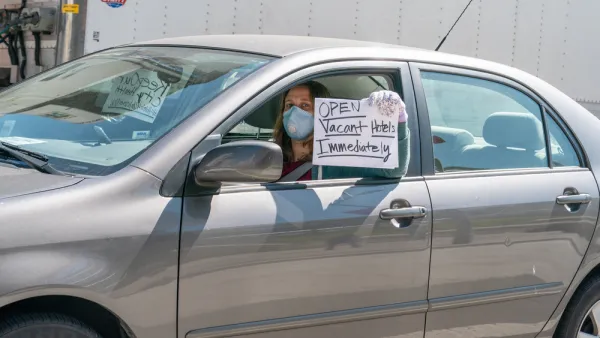
Hotels Could Play a Critical Role in Containing Coronavirus in Crowded Cities
Some cities are leasing entire hotels to provide rooms for people who have tested positive for COVID-19 or been exposed to infected people, to allow for safe and supportive isolation away from family or household members who risk being infected.

Pandemic Endgame
On Monday, the 73rd World Health Assembly convenes virtually for two days. NPR's Scott Simon speaks with a WHO spokesperson about how long we can expect to live with the coronavirus that causes COVID-19.

U.S. Needs to More Than Triple Testing Before States Can Open, Study Says
The United States currently tests about 145,000 people daily. A Harvard study calls for a minimum of 500,000 daily, but that's on the low end if the country wants to prevent shutting down again due to a second wave of the coronavirus.
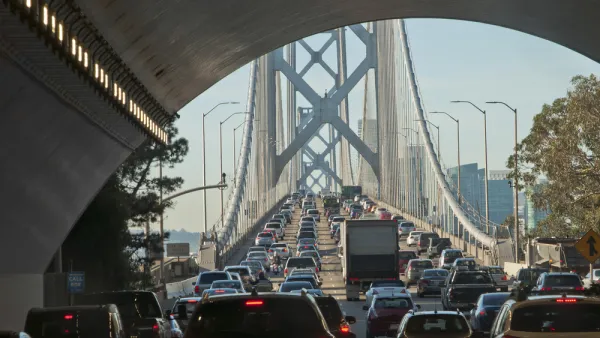
Early Indications of Car Industry's Future Emerge
Evidence from Wuhan, China, the used car auction market in the United States, and the Trump administration reveal some of the potential futures for the car industry.
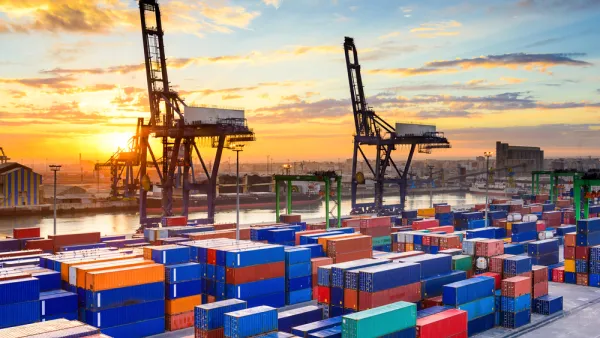
Shipping Delays Causing Construction Slowdown
Materials procured overseas are taking longer to arrive in the United States, and the delays are causing a ripple effect in the construction industry.
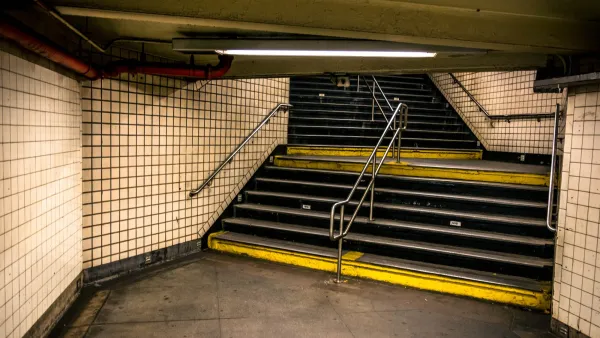
How We Learn Public Transportation and Infrastructure Lessons
"Who do you learn from?" is a question that transportation planners, particularly in the United States, should ask themselves.
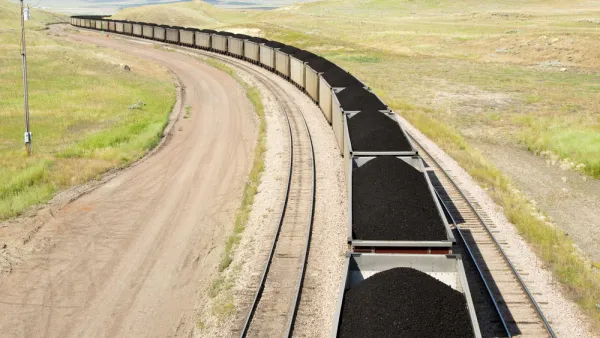
Mountain Coal States vs. West Coast Cities
A legal battle is being waged between the coal-exporting states of Utah, Wyoming, and Montana and coastal cities in California, Oregon, and Washington that pits the power of local land-use authority against the protection of interstate commerce.

At Last—A Really Good Use for Drive-Through Facilities
When it comes to containing the spread of the deadly coronavirus, China and Italy are demonstrating the use of lockdowns and quarantines. South Korea has gone a different route, using widespread testing administered in drive-through facilities.
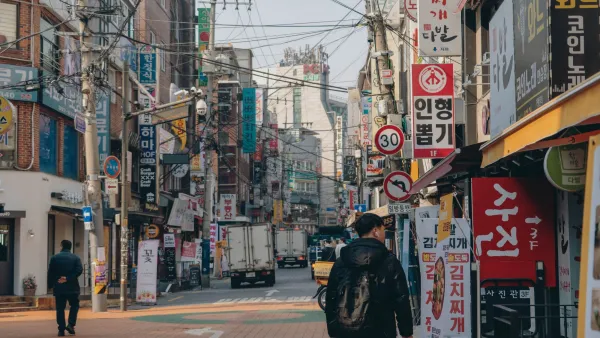
The Basement Apartments of Seoul’s Urban Poor
The lives of Seoul's poorest residents in squalid below-ground housing are brought out of the shadows in the film "Parasite."
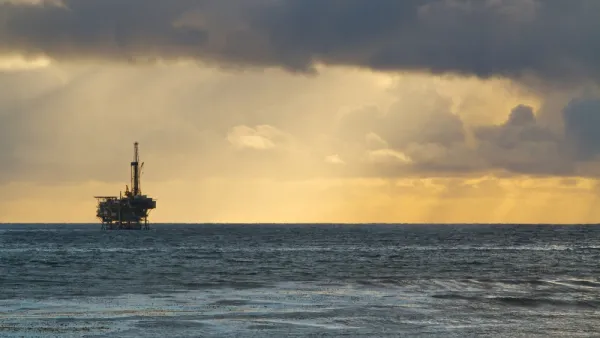
Just What the World Needs: $20 Per Barrel Oil
Oil prices crashed Monday due to a disagreement between two of the world's largest oil producers, Saudi Arabia and Russia, amidst a slump in oil demand due to the outbreak of the coronavirus pandemic. Oil will flood the market as demand drops.
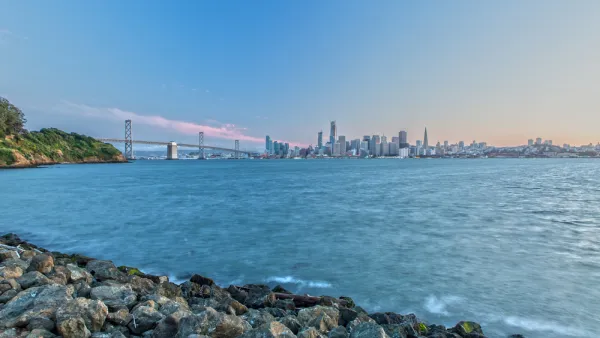
Two Coastal Areas Face Climate Change Threats, but Their Stories Are Vastly Different
In Manila and the San Francisco Bay Area, the severe impacts of rising sea levels are indisputable. But the only similarities are that both places face very uncertain futures.
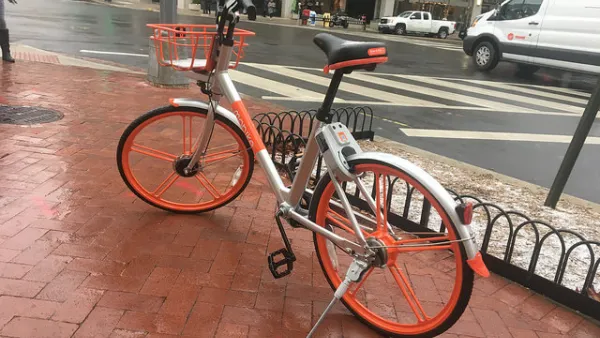
'Today’s Dockless Bike-Sharing Systems Are Wild Systems'
Dockless bikes offer the unexpected and help users navigate and understand the urban environment in new and different ways.

Lessons in Architecture and Development Found in This Year's Oscar-Nominated Films
A pair of articles mine the films nominated for Academy Award for lessons in design and development that could potentially benefit housing equality.

Toyota Wants to Build the City of the Future in Japan
Toyota plans to break ground on the "Woven City" future city prototype in 2021.
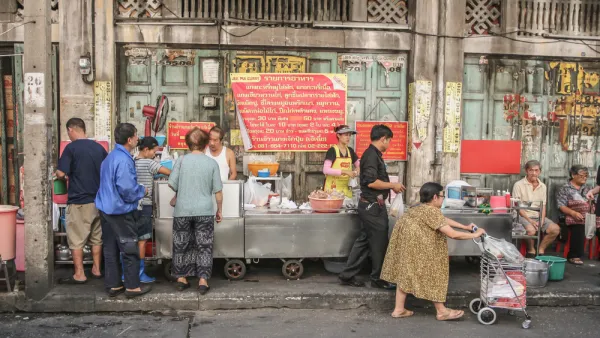
Is the End of Bangkok Street Food Vending Near?
Street food vendors are an integral part of the Bangkok urban landscape, but city planners want to see them gone.
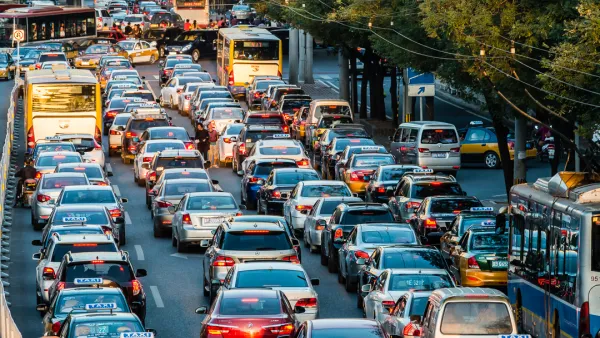
Cities Have Tried to Rein in Cars, and the Results Have Been Mixed
Vehicle pollution is making cities around the world unlivable. Some cities have taken steps to curb auto use and emissions, with varying levels of success.
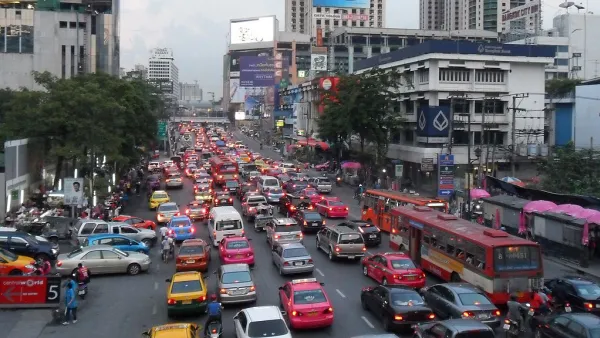
Congested, Threatened by Climate Change, Thailand Considers a New Location for Capital
The prime minister of Thailand has proposed the idea of moving the location of the country's capital, currently in Bangkok, to another location.

U.S. Lagging in Making Streets Safer for Pedestrians
Pedestrian deaths are on the rise in the United States, but cities have been slow to implement effective policies and road design measures to change the trend.

FREE Course: Walkable City 1: Why Walkability?
After describing his path towards focusing on walkability as the essence of good planning, Jeff Speck marches through his five principal reasons for making more walkable places.
Reinventing Malls: Planning Alchemy—Turning Gray Fields Into Gold
The course focuses on the opportunities and imperatives that shape reinvention of mall sites.

City of Wisconsin Rapids
Harvard University Graduate School of Design
KFH Group Inc.
The Architects Foundation
University of Cincinnati Online
The Pocatello Development Authority
The Urban Renewal Agency of the City of Pocatello