World
Global issues, U.N., etc.
Scrutinizing the Reality of Bernie's Energy and Climate Plans
CNN host Fareed Zakaria questions whether the goals of Sanders' ambitious Green New Deal are realistic.
Charting the Climate Change Crisis
Analysis of global greenhouse gas emissions data points to the sectors, activities, and countries that are the biggest contributors.
A Path for California to Get to Zero Carbon...And Below
A new study from Lawrence Livermore National Laboratory evaluates strategies to achieve former Gov. Jerry Brown's goal of carbon neutrality by 2045. Unlike other reports that study emission reductions, it evaluates "negative emissions" strategies.

The Smart Cities Revolution Happened, but Cities Were Left Out of Loop
Cities have transformed in profound ways, but more recent changes were the last part of a series of technology waves.
All Vehicle Traffic Imposes Danger. Vision Zero Requires Vehicle Travel Reduction Policies
Traffic safety initiatives must recognise that all vehicle travel imposes risks, and traffic reduction policies increase safety in addition to other benefits.
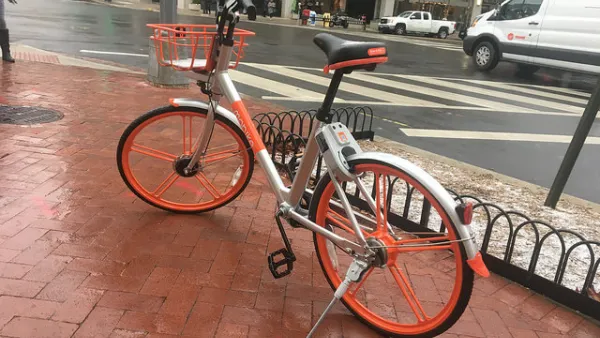
'Today’s Dockless Bike-Sharing Systems Are Wild Systems'
Dockless bikes offer the unexpected and help users navigate and understand the urban environment in new and different ways.
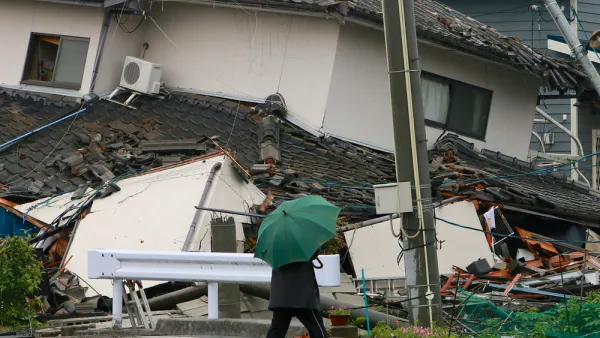
Successor to Rockefeller's 100 Resilient Cities Formed
The Global Resilient Cities Network (GRCN) has been formed by cities formerly members of the Rockefeller Foundation's 100 Resilient Cities program.
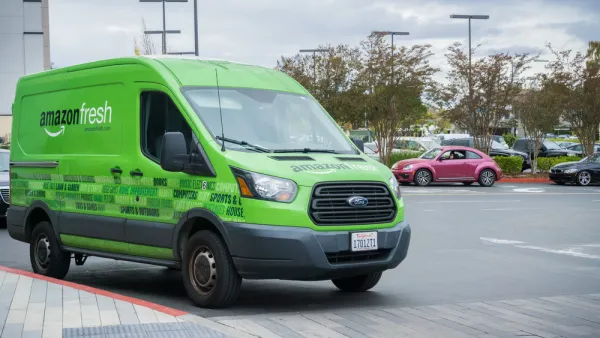
Better Maps Would Save Delivery Companies a Ton of Time and Money
A new report estimates the cost of inaccurate maps for delivery companies in the billions of dollars.
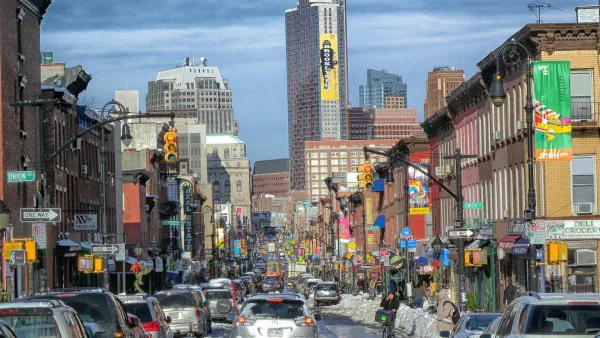
Transportation Trends for 2020 (And What Cities Can Do About Them)
William Riggs, assistant professor at the University of San Francisco School of Management, predicts the trends that will continue an ongoing revolution in transportation.

Climate Concerns Largely Absent in Auto Showrooms
A consumer survey found that less than a third of respondents considered carbon emissions or the environment when they last purchased a motor vehicle, yet three-quarters of Americans consider climate change a major problem or crisis.
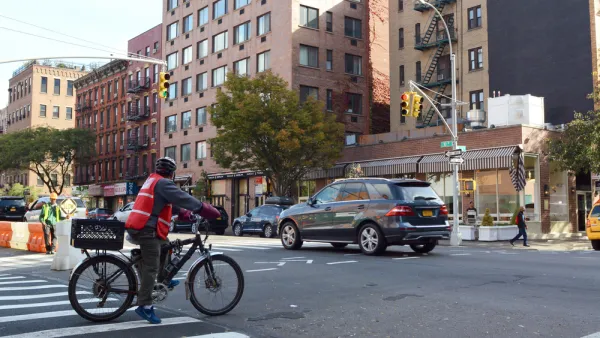
Report: Last-Mile Deliveries to Increase 78% by 2030
A new report from the World Economic Forum predicts dire consequences for congestion and carbon emissions if e-commerce delivery services proliferate unchecked.
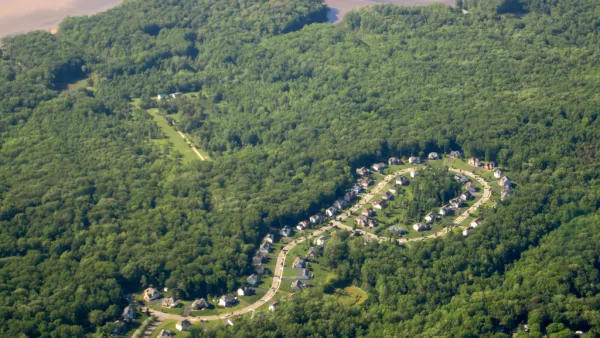
The World's Streets Are Becoming Less Connected, Study Shows
The world is sprawling as it develops, according to ambitious new research.
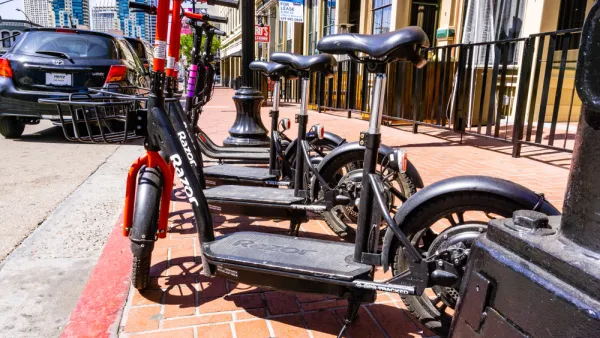
Toward a Vocabulary of Micromobility
All these newfangled devices and no universal nomenclature.
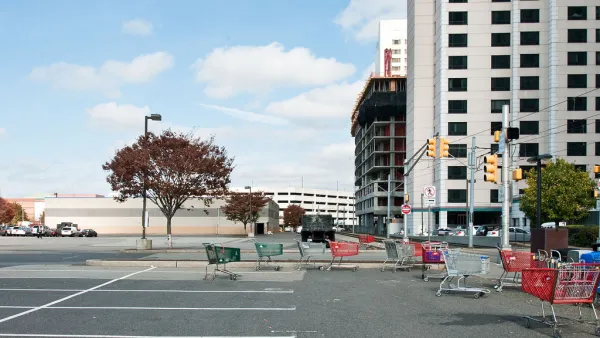
The Latest Trend in Redevelopment: Parking Lot to Multi-Family Residential
Real estate and investment experts see more and more urban parking lots as attractive locations for redevelopment—usually for multi-family residential buildings.

Positive Thinking for the Environment
There have been wins. And there will be opportunities. All is not lost for the future of the planet.
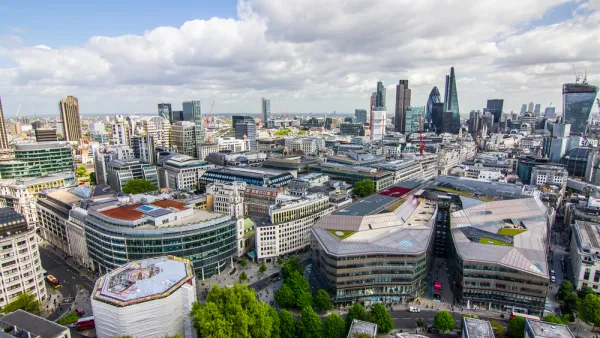
'Guardian Cities' Calls it Quits
Guardian Cities is closing shop after six years as a valued resource on the planning and urbanism Internet.
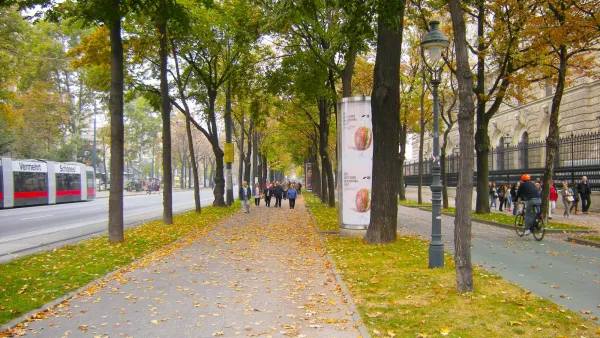
The City as a Self-Organizing, Adaptive System – Part 2
The adaptive nature of cities is exemplified once again, by the self-organizing response of street networks after transformative changes.
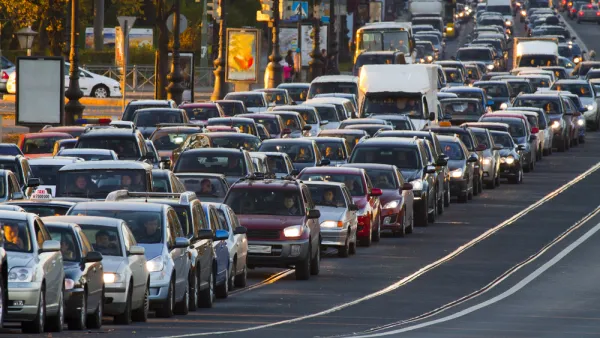
Opinion: Car Culture Will Shift in the Next Decade
Cars and vehicle emissions are undoubtedly central to the climate change problem. The solution, however, might not be cleaner vehicles but rather a drastic change in our relationship to automobiles and driving.
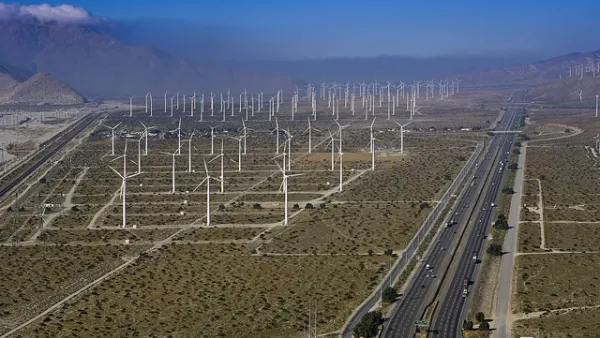
Global Cost of Transitioning to 100 Percent Renewable Energy: $73 Trillion
A report by researchers from Stanford University says the cost of transitioning the world to entirely renewable energy production would pay for itself in seven years and add a net positive amount of jobs measured in the millions.
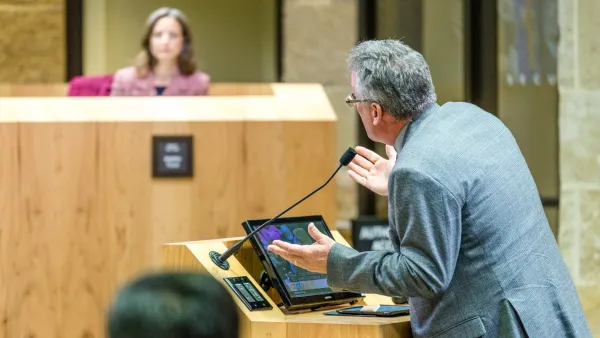
What the Academic Literature Says About Civic Engagement
A literature review notes three big themes and challenges to emerge from a year's worth of intellectual investigation of civic engagement.

FREE Course: Walkable City 1: Why Walkability?
After describing his path towards focusing on walkability as the essence of good planning, Jeff Speck marches through his five principal reasons for making more walkable places.
Reinventing Malls: Planning Alchemy—Turning Gray Fields Into Gold
The course focuses on the opportunities and imperatives that shape reinvention of mall sites.

City of Rosemead
Rutgers University, Edward J. Bloustein School of Planning and Public Policy
One Hundred Miles
University of Michigan School for Environment and Sustainability (SEAS)
Hunter College, City University of New York (CUNY)
The Architects Foundation
City of Cambridge
Montrose County
The Pocatello Development Authority









