United States
10 Ways Civic Hacking Can Benefit Your Community
Code for America is planning a National Day of Civic Hacking next month to "promote transparency, participation and collaboration between governments and citizens." In advance of the event, they've explained how cities can benefit from civic hacking.
Might the Republican Party Soon Change Course on Climate Change?
The Republican party has long obstructed efforts to pass climate change legislation in the United States. But the party may soon be forced to reckon with its "willful denial of science and facts," reports Coral Davenport.
Despite Driving Decline, U.S. Builds for Far More Cars
A new study from U.S. PIRG and the Frontier Group projects three scenarios for Americans' future driving patterns that all fall short of current government projections. Transportation planning priorities should be reconsidered, the study contends.
MBE, WBE, DBE: Why Are Such Programs Often Rife with Fraud?
Government contracting requirements that encourage the growth of minority-owned businesses are laudable, says Patrick Kerkstra, but such programs are rife with abuse. What makes them so susceptible to fraud and what can be done?
In Battle for Disposable Income, Dining Out Devours the Competition
For Americans under 34, the amount of money spent dining out has increased by more than 20% over the last decade; as the recording industry has been in a tailspin. In the battle to earn urbanites' dollars, food purveyors are the new rock stars.
Must Cycling Give Up its Outlaw Image to Become a Mainstream Mode?
In cities across America, cycling is fast becoming "just another way to get around," causing friction with its outsider reputation. Sarah Goodyear argues that for cycling to become safer for everyone, riders need to renounce their special status.
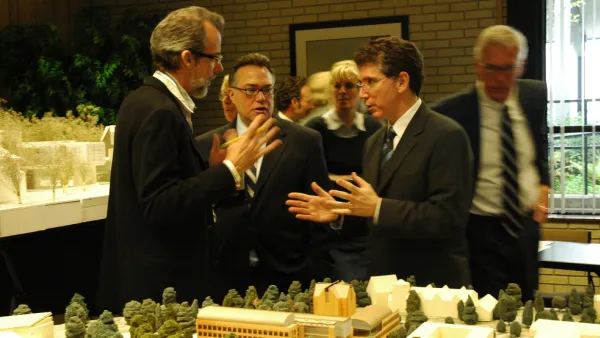
Architecture's Identity Problem
The recent kerfuffle over Denise Scott Brown’s non-receipt of the Pritzker Prize is just a symptom of a larger problem within the field of architecture, says Sam Lubell. The poor rate of diversity among practitioners reduces its relevance.
Electric Vehicles Are Money Losers, But That's Expected
All-electric vehicles - those without tailpipes or gas tanks, are entering the marketplace, particularly in California, but unlike other models from the same manufacturers, they are not expected to sell well. So why are they even being manufactured?
Environmental Conservation Is Costly, But Economic Benefits Are Great
A new report has sought to quantify the annual costs of America's assorted environmental protection efforts for the first time.

Why Pedestrian Safety is a Social Justice Issue
A recent report from the Centers for Disease Control analyzing America's last decade of traffic-related pedestrian deaths reveals the inequitable impacts of the country's "public health epidemic."
The Economic Downside of Homeownership
A new study by two professors from University of Warwick in England suggests that higher homeownership levels correlate to higher unemployment, a finding contrary to long-held beliefs in the unmitigated benefits of owning a home.

America's Hottest Housing Markets
As the housing market recovered nationwide, home values rose 5.1% across the U.S. between February 2012 and February 2013. In 10 of the major markets analyzed by Zillow, values rose more than 13%. In five of those, home values rose more than 20%.
How China's 'Greenwall' Threatens Your City's Recycling Efforts
The United States' municipal recycling programs rely on China's voracious appetite for plastic trash. But the country's new ban on the import of certain types of solid waste may cause your city a giant, stinky headache.
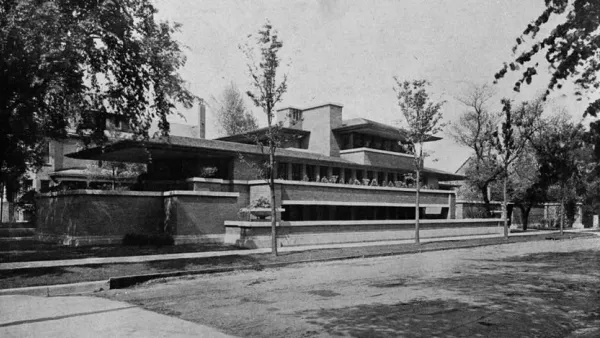
Take a Vote: The Building That Most Shaped U.S. Culture
In advance of a new PBS documentary on America's architectural history, Architectural Record is soliciting votes for the building that most influenced life in the United States.
Four Ways That Technology is Transforming Civic Engagement
A new study from the Pew Research Center looks at the way digital technology is changing civic engagement. Nick Judd digs into the results and pulls out four intriguing trends.
Could Glowing Trees One Day Light Our Streets?
Glowing trees are the latest project in the weird and maybe not-so-wonderful world of genetic engineering. Alarmed over the potential for the spread of "malicious organisms", environmental organizations are trying to shut down the effort.
Is CA High-Speed Rail Stalling the Federal Rail Program?
House Republicans object to further funding of the High-Speed Intercity Passenger Rail program - largely due to California's expectation to receive $42 billion in federal funding - yet less ambitious projects have shown much promise.
A Decoder Ring for Those Mysterious Markings on Your Street
Jimmy Stamp decodes the mysterious color-coded markings used by public works departments around the country to indicate underground infrastructure.
As Other Cities Boost TOD, Chicago Falters
A new study of transit-oriented growth in America's most transit-served cities reveals that Chicago lags way behind its peers. The area's enduring pattern of sprawling development is blamed.
Obama Proposal Could Transform Public Housing Terms
A proposal in President Obama's 2014 budget would allow housing authorities to tighten requirements for residents and set time limits. Housing agencies hope the changes will trim waiting lists, but opponents see more affordable housing as the answer.

FREE Course: Walkable City 1: Why Walkability?
After describing his path towards focusing on walkability as the essence of good planning, Jeff Speck marches through his five principal reasons for making more walkable places.
Reinventing Malls: Planning Alchemy—Turning Gray Fields Into Gold
The course focuses on the opportunities and imperatives that shape reinvention of mall sites.

One Hundred Miles
County of Mendocino
planning NEXT
The Architects Foundation
University of Cincinnati Online
Montrose County
Northern Illinois Transit Authority (NITA)
The Pocatello Development Authority









