United States

The Facebook for Neighborhoods
Meet Nextdoor, the social network based on proximity, inspired by the conclusion of Robert Putnam’s Bowling Alone that neighborhood social networks make crime go down and test scores go up.
Record Pollution Settlement: $5.15 Billion
Surpassing the BP Gulf spill fine by $1 billion, the settlement covers multi-state environmental sites. While levied on Anadarko Petroleum, the chemical contamination was the fault of subsidiary Kerr-McGee Corp., which Anadarko purchased in 2006.
The Secret to Community Development Fund Success
Two innovative community development funds are behind big impact on affordable housing in New York and Colorado. Enterprise Community Partners spells out how they're structured, the lessons they've learned, and why it's not that scary.
Southwest Airlines Joins Project for Public Spaces to Activate Parks
Southwest Airlines joins Project for Public Spaces in an initiative to reactivate underused public spaces.
One Possibility for Activating Vacant Storefronts in Small Cities
A post on the blog for Utile, a Boston-based architecture and urban planning firm, recommends the coffee cart as a bit of DIY urbanism for cities like Lawrence, Massachusetts.
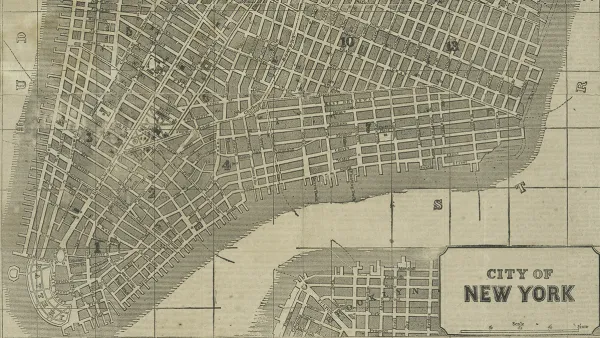
Friday Eye Candy: New York Public Library Releases Thousands of Historic Maps to the Public
“For the historic cartographile, Christmas may have come late, but here it is,” writes Daniel Stuckey.
Cars Are Key to Reducing Poverty
Many advocates for new ways of thinking about places and streets argue for reduced use of cars as the dominant mode of transportation. A new study finds, however that poverty is improved when the poor have access to a car for transportation.
HUD expected to further ease restrictions on mixed-use financing
The administrative change to follow recent successful FHA standards, according to CNU president John Norquist.
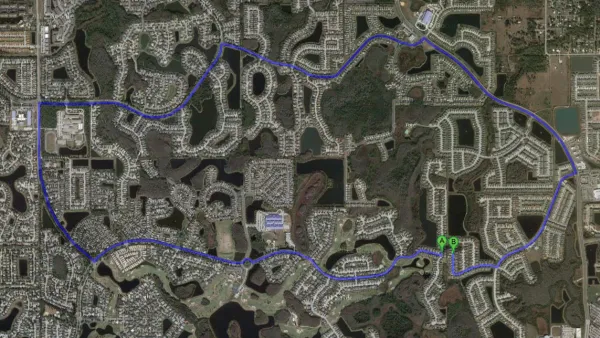
Study: Sprawl is Bad for Public Health
Smart Growth America has released the "Measuring Sprawl 2014" report, which updates the 2002 report "Measuring Sprawl and Its Impact."

Walkability and the Risk of Mortgage Default
A recent study strengthens the economic case for walkable communities, finding a strong inverse relationship between walkscore and risk of mortgage default.
Charting the 'Urban Shift' Among Technology Start-Ups
Once upon a time, tech start-ups located almost exclusively in the suburbs. New data reveals the extent to which this pattern has been reversed.
What's Wrong With Walk Score's Food Desert Map
Walk Score’s new food desert map is a potentially powerful tool in the ongoing policy debate about access to healthy foods. But it’s still a work in progress.
Don't Tell Me What Happens in The Death and Life of Great American Cities
I am trying to get caught up on The Death and Life of Great American Cities by Jane Jacobs. I'm a chapter behind, so don't tell me what happens.

Ray LaHood to Guest Star on Final Season of Mad Men
The former Secretary of Transportation will join the popular AMC show Mad Men to play a moderate Republican who works across the aisle to deliver badly needed improvements to the nation’s transportation infrastructure.

Study: Hollywood Endings Most Likely in Los Angeles
A new study sheds light on why it seems that the sun shines 366.25 days a year in Los Angeles but falls short of solving one of life's great mysteries.

NIMBY Added to the Oxford English Dictionary
The definitive dictionary of the English language, the Oxford English Dictionary, will add the term NIMBY to its latest edition, citing the widespread use and worldwide political relevance of the term as reasons for its inclusion.
Examining the United States’ Urban/Rural Dichotomy
Governing presents a special series examining the “Rural/Urban Divide” in the United States.
New Study Tests Assumptions About Housing Vouchers and Crime
A new paper published in the Urban Studies journal finds a weak, negative relationship between vouchers and violent crime rates. There is no observable relationship between vouchers and violent crime rates in suburban areas.
Come Together Locally for Smarter Growth
Connecting competence to organized support is key to reversing the Sisyphean cycle of urban placemaking.

How Easy is Walking to the Grocery Store in Your City?
Angie Schmitt shares news of an effort by WalkScore to rank cities based on the ability of residents to access grocery stores on foot. WalkScore invites planners all over country to use their data to improve walkable access to food in cities.

FREE Course: Walkable City 1: Why Walkability?
After describing his path towards focusing on walkability as the essence of good planning, Jeff Speck marches through his five principal reasons for making more walkable places.
Reinventing Malls: Planning Alchemy—Turning Gray Fields Into Gold
The course focuses on the opportunities and imperatives that shape reinvention of mall sites.

One Hundred Miles
County of Mendocino
planning NEXT
The Architects Foundation
University of Cincinnati Online
Montrose County
Northern Illinois Transit Authority (NITA)
The Pocatello Development Authority









