United States
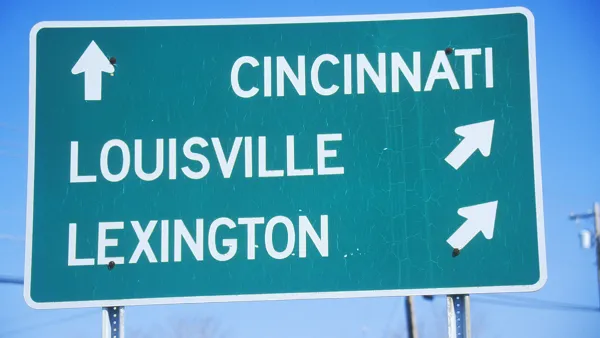
Cincinnati's Unique, Recession-Era Gentrification
A new study examines gentrification (measured by relative income) at the neighborhoods, revealing the unique case of Cincinnati, which increased wealth faster during the recession than it did during the preceding boom.

A New Guide to Green Infrastructure
With a growing body of research to support the construction of infrastructure that supports, protects, and even mimics natural systems, the American Society of Landscape Architects has released a guide to green infrastructure.
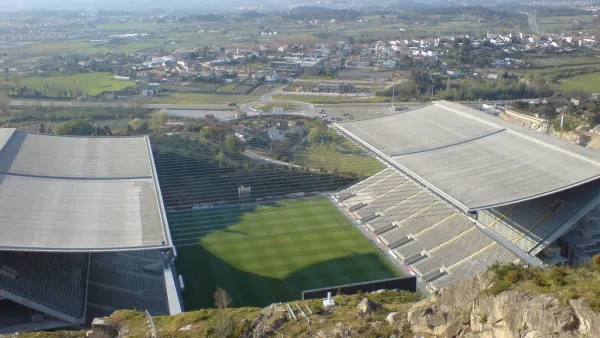
6 Tips for Good Design in Your Town
Good design impacts tourism, jobs, property values and quality of life. What can we do to bring good design to small towns and rural communities? Here are a few good tips and inspiring examples.
Census Releases Data on County-to-County Migration
A new data set released this week by the U.S. Census is helpful for determining patterns of migration during the recession-troubled years of 2008-2012.

How the West Won—Nature and Cities, Side by Side
The New York Times Opinion Pages present a new narrative for the American West: "A wounded piece of land can be made whole, if managed for the future by people whose capacity for wonder is limitless."
Plans for a 550-Mile 'Atlantic Coast Pipeline' Announced
A trio of natural gas providers is planning to build a 550-mile pipeline from West Virginia to North Carolina. The companies are hoping to secure approval for the project from the Federal Energy Regulatory Commission by 2016.
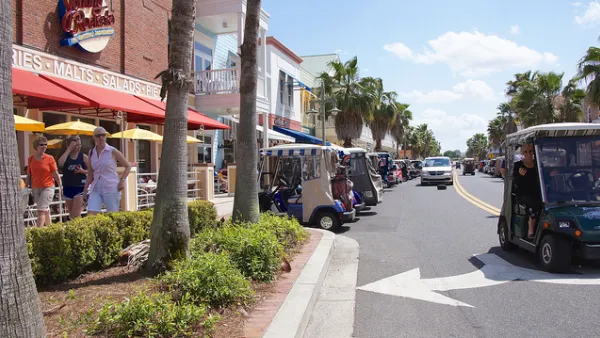
The Fastest Growing Small Cities In America
Joel Kotkin explores the small cities that are growing the fastest in the United States, and what factors lead to this growth.
How to Make the Sharing Economy Work for Governments
Gabe Klein discusses some of the merits and challenges of forging private-public partnerships between disruptive companies and government entities.
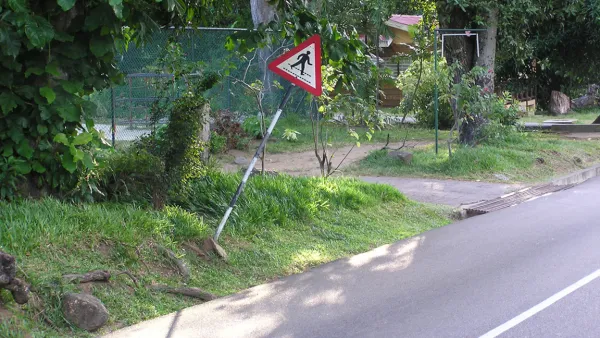
America's Failing Walkability
In a recent Huffington Post article, F. Kaid Benfield of the Natural Resources Defense Council breaks down some of the barriers for walkability in the United States.
Housing America's Older Population—New Report Details the Challenge
A new study from the Joint Center for Housing Studies at Harvard University and the AARP Foundation has produced a pile of data on the country's aging population and its implications for housing and planning policy.
Fifty Years of the Wilderness Act
Fifty years ago, Lyndon B. Johnson signed into law The Wilderness Act, at the time protecting more than nine million acres of wild lands throughout the nation.
Road Upkeep in an Era of Diminishing Vehicular Travel
Today, most transportation professionals are aware that the era of inexorable growth in vehicular travel has ended. Yet many state DOTs and local public works departments continue to assume that traffic will grow far into the future.
Evictions Increase as Renters Struggle to Compete
Shaila Dewan details the increasing rates at which renters all over the country forced from their homes by eviction.

How Families Can Benefit the Planning and Design of Cities
An August 19 article in the Washington Post took a tough stance on the value of families to urban settings. Here Bradley Calvert responds by describing how families provide opportunities for planners to rethink cities for the better.
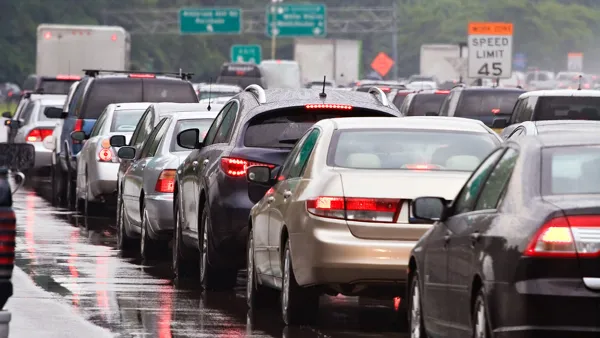
Federal Highway Administration Reports Increasing Vehicle Miles Traveled
The FHWA reports that Americans have returned to the road en masse this summer—beware obvious political motivations and a failure to compare VMT trends to population growth.
Cities Stand to Benefit by More Women Architects
Architecture Critic Mark Lamster emerged from the "Architect and Architectress" at the Dallas Center for Architecture with a call to action to overturn the old paradigms that contribute to dominance of males in the architecture profession.
California Resolution Will Create More Outdoor Spaces at Schools
The California government passed a new resolution this summer promoting green schoolyards statewide. It builds on previous state policies and unites a wide array of green city planning and education efforts under a single "Living Schoolyard" theme.
Chicago Metra Rail Struggles with High Rates of Suicide
Chicago's Metra commuter rail service has a big problem on its hands: Distressed people are resorting to using train tracks to end their lives at a higher rate than in other major cities. Would partnering with a suicide-hotline agency stem the tide?
The Danger of Federal Money for Local Projects
Scott Beyer provides four reasons why federal money is the wrong policy mechanism for delivering the best possible transportation outcomes in the United States.
Do the 'Art Everywhere' Billboards Support Art, or Advertising?
With so many eyes trained obsessively on mobile phones, the outdoor industry is supporting a campaign to place famous art on billboards around the country. Will people notice? Should they?

FREE Course: Walkable City 1: Why Walkability?
After describing his path towards focusing on walkability as the essence of good planning, Jeff Speck marches through his five principal reasons for making more walkable places.
Reinventing Malls: Planning Alchemy—Turning Gray Fields Into Gold
The course focuses on the opportunities and imperatives that shape reinvention of mall sites.

One Hundred Miles
County of Mendocino
planning NEXT
The Architects Foundation
University of Cincinnati Online
Montrose County
Northern Illinois Transit Authority (NITA)
The Pocatello Development Authority









