United States

A Visit to D.C.'s Museum for the Built Environment
Washington, D.C. has many great museums. One of its least known may be the most interesting to architects, planners, builders, and others. The National Building Museum is all about the built environment.
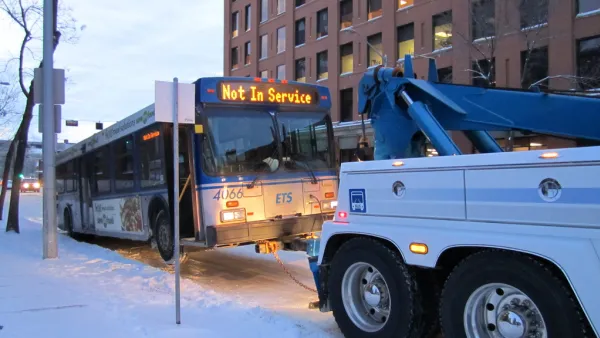
Recommendations for Reforming the American Public Transportation Association
In light of the resignation of APTA's president following the withdrawal of the New York Metropolitan Transportation Authority, the Transit Center offers its recommendations for reforming the national transit advocacy organization.

Reflecting on Regional Planning—50 Years Later
The planning world celebrated Jane Jacobs's 100th birthday earlier this month, and has already begun commemorating the centennial of New York's first zoning code. But did you know regional planning rose to prominence 50 years ago?

Most Young Adults Living With Their Parents for the First Time in 130 Years
A Pew Research Center analysis of Census Data reveals a fundamental shift in the way U.S. residents are living—last true in a time closer to the Civil War than the 20th century.

Something Is Rotten in 'Infrastructure Week'
The cause of infrastructure should be easy for people, and planners, to rally behind. But infrastructure's cause, like so many other political issues, invites conflicts of interest.

Why the National Highway Traffic Safety Administration Doesn't Use 'Accidents'
Call them crashes, collisions, even incidents, just don't call them 'accidents,' emphatically states Mark R. Rosekind, Ph.D., Administrator for the National Highway Traffic Safety Administration (NHTSA), the nation's premier traffic safety agency.

Critiquing Uber's Cross-Border Service from San Diego to Baja California
In Mach, Uber launched Passport, a service allowing cross-border service from San Diego to any location in the northern Baja California region. A columnist's experiment with the service reveals more PR effort than mobility service.

A Few Big Cities Lead the Economic Recovery
As the debate about whether people prefer to live in the suburbs or the big city rages on, data from the U.S. Census reveals a clear preference on the part of economic trends in the wake of the Great Recession.
New York City's Zoning Code, First in the Nation, Approaches its Centennial
New York's 1916 zoning code would not have allowed 40 percent of buildings in Manhattan to be built today, according to a recent analysis. It also turns 100 on August 27 of this year.
More Kudos for Denver's Rail Network and Newest Rail Line
Rail has transformed the Mile-High City, and the new University of Colorado A Line from Union Station to the airport is but one of many lines that has turned Denver one of the nation's fastest growing and attractive cities. And more lines are coming!
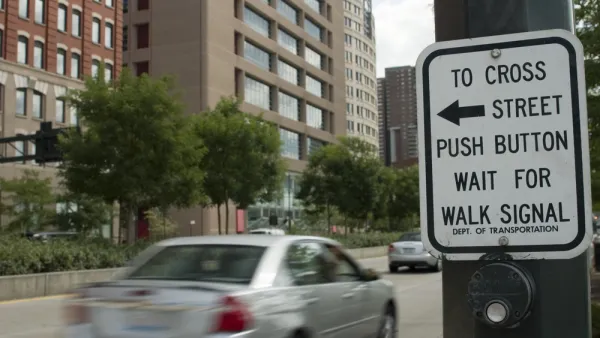
In Support of the Right to Cross the Street
Benjamin Ross argues that the walk signal is a fundamentally flawed approach to creating walkable streets and shareable roadways—making walking slower, less convenient, and more dangerous.

What Distinguishes a 'Real' CSA?
Community-supported agriculture (CSA) programs originally let local buyers support local growers. But with a rise in subscription-based "food box" clubs, it's getting harder to say what a real CSA looks like.
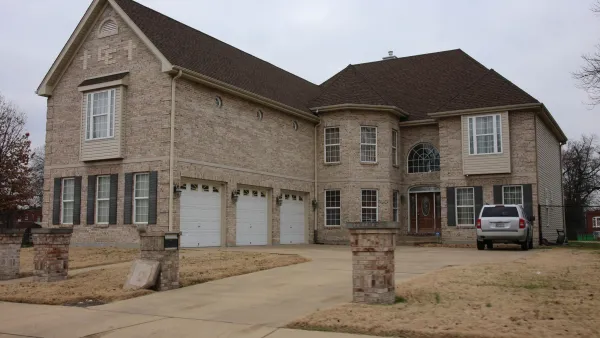
Report: Million Dollar Homes More Common Than You Might Expect
The share of homes with values topping $1 million rose from 1.6 percent to 3 percent nationwide between 2012 and 2016.
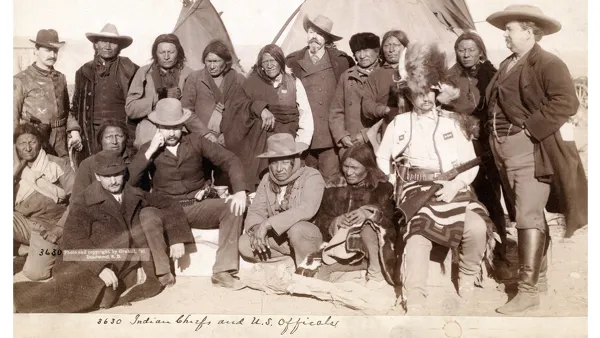
Native American Population Almost Back to 1492 Levels
An estimated 5 million Native Americans lived in the area that would become the United States when Christopher Columbus arrived in 1492. After reaching a low in the late 19th century, the Native American population has almost fully recovered.

Explained: Calculating Vehicle Impacts on Road Surfaces
Pedal Fort Collins explains the math used to calculate the impacts of various sized vehicles on the roads they travel.

How Donald Trump Earned His Reputation as a Developer
Perhaps no development is more associated with the presumptive Republican presidential nominee than Trump Towers, which established his reputation as a developer with little regard for historic preservation and revealed his character in business.

'First National Study of Neighborhood Parks' Finds Few Taking Advantage
Most neighborhood parks go relatively unused by adult populations and women, giving young children, mostly boys, the run of the place.

Is Supply Finally Coming to Rescue the Rental Market?
The relief that renters have been seeking might finally be on the way, if several market indicators are to be believed. If and when rent does fall, supply might have finally caught up with demand.
Comparing Housing Permits Around the Sun Belt
It might not come as a surprise, but the Sun Belt cities permitting fewer new single-family homes are the Sun Belt cities permitting fewer new homes.
Loss of 'Situational Awareness' Caused Fatal Amtrak #188 Crash
The nation's transportation safety board determined that a distracted engineer caused one of the worst crashes in Amtrak's history, killing eight and injuring over 180 people just north of Philadelphia.

FREE Course: Walkable City 1: Why Walkability?
After describing his path towards focusing on walkability as the essence of good planning, Jeff Speck marches through his five principal reasons for making more walkable places.
Reinventing Malls: Planning Alchemy—Turning Gray Fields Into Gold
The course focuses on the opportunities and imperatives that shape reinvention of mall sites.

One Hundred Miles
County of Mendocino
planning NEXT
The Architects Foundation
University of Cincinnati Online
Montrose County
Northern Illinois Transit Authority (NITA)
The Pocatello Development Authority









