The "hipsterification" of cities is a well-known phenomenon. But as the millennial generation ages and settles down, will they import that same cultural ethos to locations more suburban?



Jordan Fraade writes of the possibility that millennials might some day transform the suburbs into hipster meccas like they have already done in some cities. Fraade's case study: Hastings, New York.
"The suburb is a haven for priced-out Brooklynites and their children. Indie filmmakers and acupuncturists, farm-to-table restaurants and yoga studios and craft cocktails — all of those obnoxious hipster trappings that we’d secretly love to have down the street — they’re all there. The New York Times even dubbed the town 'Hipsturbia.'"
The problem, according to Fraade, is that so many suburbs were built after the car became king. So, if Millennials decide to move to suburbs en masse, it's not likely that they'll find such idyllic destinations as Hastings. In drawing out a portrait of the millennial generation's preferences on lifestyle, and its ability to afford those preferences, Fraade also provides a thorough survey of recent articles and thinking on the issue—from multiple sides of an often political issue.
Read the full story: Millennials turned cities ‘hipster.’ Can they do the same for the suburbs?

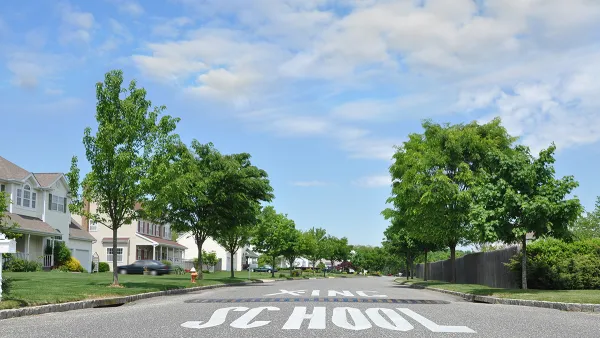
Pushing Back on 'Suburban Triumphalism'
Interested observers have been predicting a crest of the American "back to the city" movement for years now—the idea that as Millennials come of age they will lose interest in urban lifestyles and seek the comfort of the suburbs.
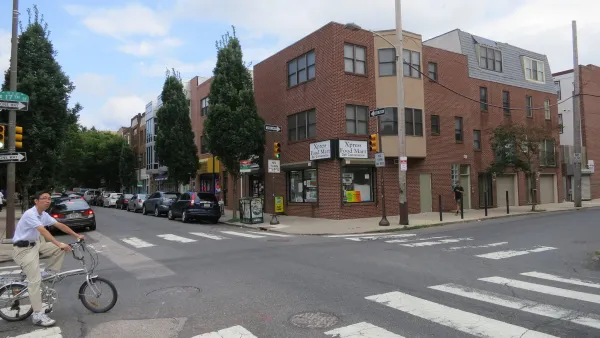
AIA: Demand for High-Density Development Is Down
For the first time in four years, a quarterly survey indicates “market saturation in urban areas.”

Young Adults Aren't Fleeing Cities—Quite the Contrary
Joe Cortright presents the antidote to an emerging narrative about the shifting lifestyle preferences of young adults (i.e., Millennials).

Planetizen Federal Action Tracker
A weekly monitor of how Trump’s orders and actions are impacting planners and planning in America.

Amtrak, CN end decades-long dispute with eight-year agreement
The new operating agreement establishes an updated framework for the companies to work together, including processes to resolve disputes.

Judges permit Denver to divert 77,000 acre feet from the Colorado River for reservoir expansion
Overuse and climate change have caused the Colorado River’s water levels to plummet.

NYC DOT wants faster, more permanent street upgrades
The city is examining ways to build more concrete infrastructure without getting entangled in 'decades-long' projects.

'Something we’ve never seen before:' rising utility rates could strain city finances nationwide
Data centers, climate change and other factors have caused utility rates in the United States to increase by 38% since 2020.

Trump to overrule local leaders, lease millions of acres of America’s Pacific Island territories’ seafloors to mining companies
International law says that the Indigenous people of America’s territories have a right to prior and informed consent regarding projects that impact their countries.

FREE Course: Walkable City 1: Why Walkability?
After describing his path towards focusing on walkability as the essence of good planning, Jeff Speck marches through his five principal reasons for making more walkable places.
Reinventing Malls: Planning Alchemy—Turning Gray Fields Into Gold
The course focuses on the opportunities and imperatives that shape reinvention of mall sites.

Harvard University Graduate School of Design
KFH Group Inc.
Greater Baltimore Committee
The Architects Foundation
University of Cincinnati Online
The Pocatello Development Authority
The Urban Renewal Agency of the City of Pocatello