United States

Congestion Pricing Requires a Careful Balance
Congestion pricing is an economic tool for a difficult, complicated problem, and must be calculated carefully to avoid unintended consequences.
Fatal Combination: Hot-Air Balloons and High-Tension Power Lines
Sixteen people enjoying a hot-air balloon ride in Central Texas early Saturday morning lost their lives in a fiery death after the balloon came into contact with high-tension power lines, according to the National Transportation Safety Board.

Study: Uber Doesn't Reduce Drunk Driving Fatalities
The debate about the benefits of transportation network companies, like Uber, continues.

Planetizen Week in Review: August 1, 2016
Political junkies, map nerds, and transit fans all got plenty of big news to digest during the last week of July 2016.
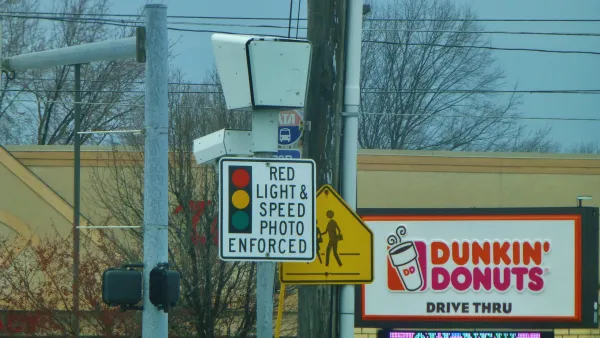
Disabling Red Light Cameras Increases Traffic Fatalities
A new study shows what happens when cities remove red light cameras, which have become targeted by many motorists and eliminated by at least 158 cities. Fatal crashes increased 30 percent compared with area cities that kept the controversial cameras.
The Surprising Results of Comparing Car Ownership Across Cities
Although most people could probably guess the cities where residents own the fewest cars per household, it's surprising to find that Seattle residents own more cars than Atlanta residents.

A Mobile Game that Brings Skyscrapers to Kid Level
CityLab reviews the "Skyscraper" mobile app game, from Tinybop, Inc.
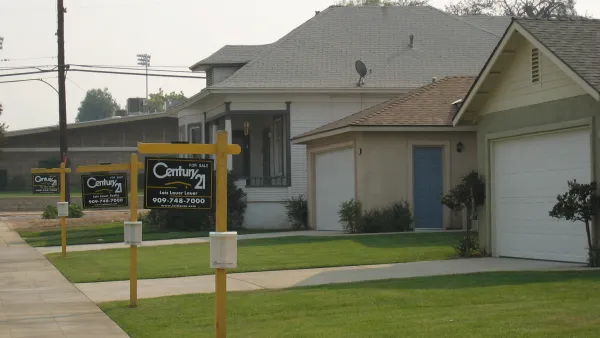
U.S. Homeownership Rate Lowest Since 1965
A confluence of economic and demographic factors means fewer Americans own homes than at any time since 1965.
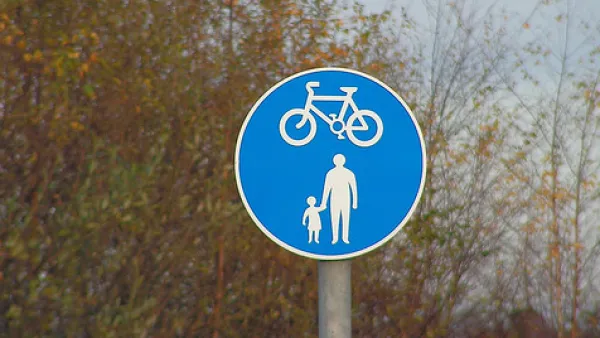
Safe Streets for Whom?
An equity strategist offers advice on creating safe streets programs that address systemic racism.

Why the Sierra Club Owns a $2.2 Billion Coal Reserve
Through a series of legal maneuvers associated with a coal giant's bankruptcy, the Sierra Club made good on a conservation opportunity worth $2.2 billion and weighing 53 million tons.

A Case for Integrating Housing and Healthcare Services
Connecting affordable housing and healthcare programs can improve both—especially for seniors and disabled people.
A Side-by-Side Comparison of Infrastructure Policy Platforms
The Republican and Democratic parties both claim to understand the importance of infrastructure, but they show support in vastly different ways.

On Bike Infrastructure, Cities Can Do Better
Urban bike infrastructure is plagued by three related problems: design, politics, and security.
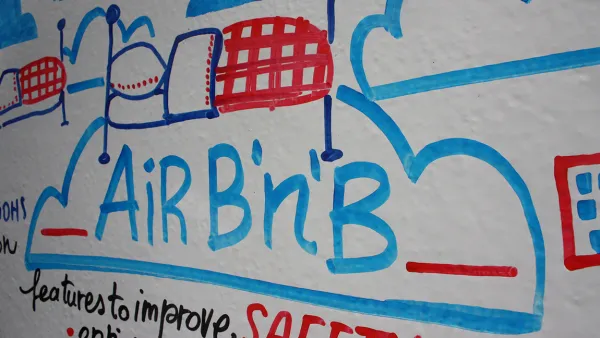
Airbnb's Listings Expanded in 2015, but Many Don't Last Long
A new statistical analysis of Airbnb listings shows the short-term-rental service is growing worldwide, but suggests that many hosts don't stick with it. Intermittent commercial uses of residences could be seen in the planning context of "mixed use."
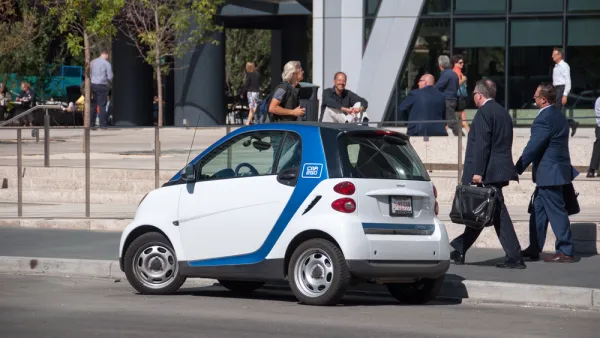
Good News on Car Sharing
Car sharing networks that allow the vehicle to be returned to any location were found to have the impact of removing seven cars for each rented car in San Diego in a three-year study released July 19.
$760 Million in Transportation Grants Coming Soon; South Side Chicago Projects Not Included
Illinois, Cook County, and city of Chicago officials were disappointed in their first effort to attract FASTLANE funding authorized by the U.S Department Transportation
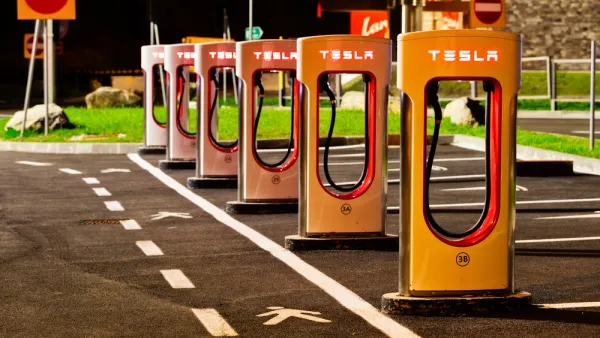
Debating Elon Musk's Second 'Master Plan'
When Elon Musk talks, lots of people listen. Some also respond.

Talking Points for an Urban Agenda at the Democratic National Convention
Next City has released what it's calling an "urbanist's guide" to the Democratic National Convention.
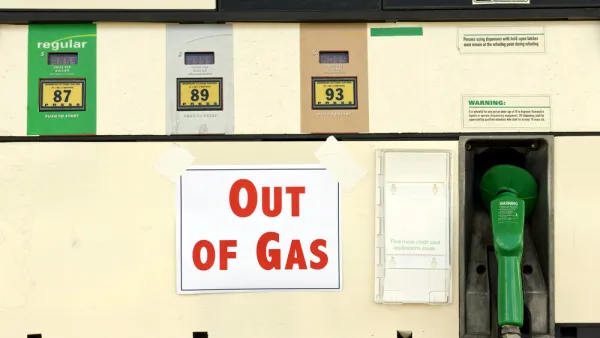
EPA Report: Auto Manufacturers Will Meet 2025 Fuel Economy Standards
A new EPA report indicates that auto manufacturers will meet fuel economy and greenhouse gas emissions standards relying largely on gasoline powered vehicles. Or will they? While likely to fall short of 54.5 mpg, they will come close enough.
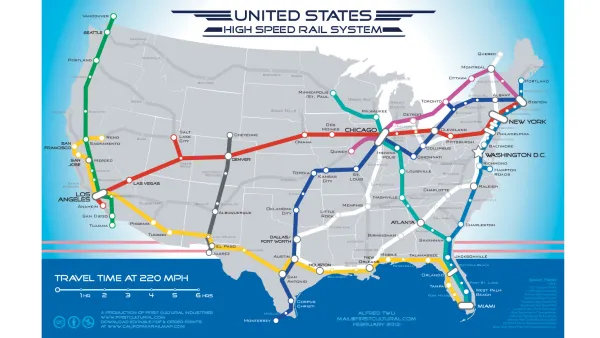
Three Reasons Why High-Speed Rail Has Not Caught On in U.S.
If you guessed cheap gas, love of automobiles, or preference for air travel, you are correct, but those fall under one reason, "lack of demand." Two additional reasons are offered in this article for the construction industry.

FREE Course: Walkable City 1: Why Walkability?
After describing his path towards focusing on walkability as the essence of good planning, Jeff Speck marches through his five principal reasons for making more walkable places.
Reinventing Malls: Planning Alchemy—Turning Gray Fields Into Gold
The course focuses on the opportunities and imperatives that shape reinvention of mall sites.

One Hundred Miles
County of Mendocino
planning NEXT
The Architects Foundation
University of Cincinnati Online
Montrose County
Northern Illinois Transit Authority (NITA)
The Pocatello Development Authority









