Urban Development
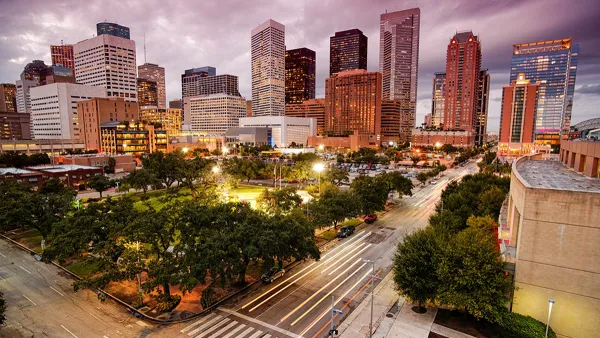
Houston's Land Market Heats Up
The pandemic has spurred a sharp spike in land sales in the Houston area as more people look to buy homes and developers buy land for industrial uses.
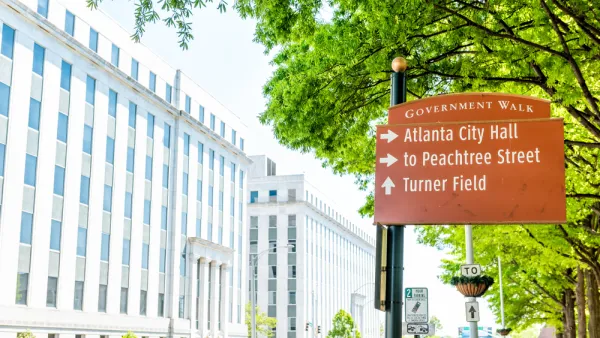
Housing Trust Fund Proposed for Atlanta
An ordinance proposed by an Atlanta City Councilmember would establish the "Building the Beloved Community Affordable Housing Trust Fund"—with a commitment to spend 2 percent of the city's general fund annually.
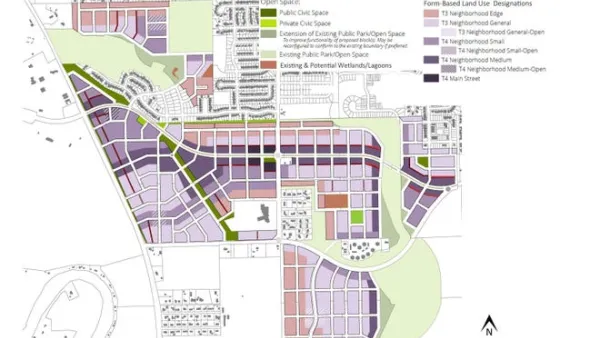
Missing Middle Housing, Form-Based Code Added to the Zoning Menu in Iowa City
The Iowa City Planning Commission approved a rezoning amendment that will allow new missing middle density and implement a form-based code for the city's South District. The city could expand the concepts as it expands the city in the future.
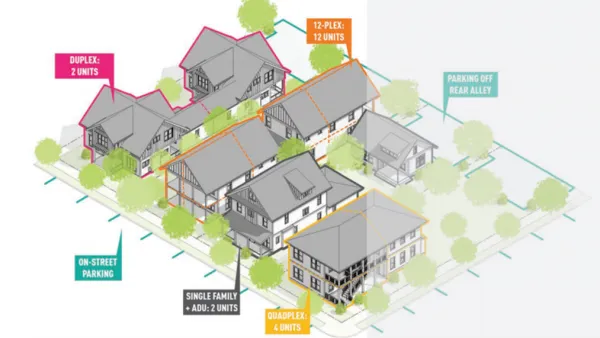
Affordable Housing Planned Around Atlanta's New Westside Park
The 65 new units will include single-family homes with ADUs, duplexes, and fourplexes, according to Invest Atlanta.
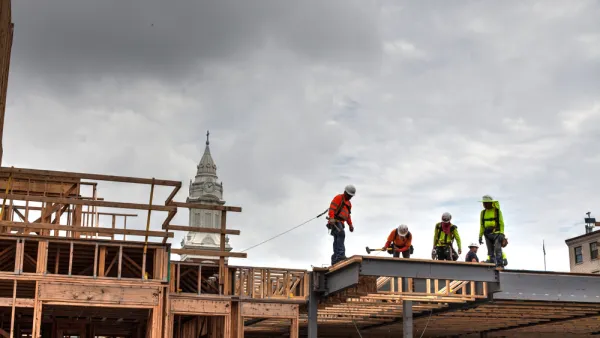
Affordable Housing Bonus Program Expanded in Philadelphia
The city of Philadelphia launched a height and density bonus in 2018 to create incentives for the development of affordable housing, but so far the results have proven underwhelming.
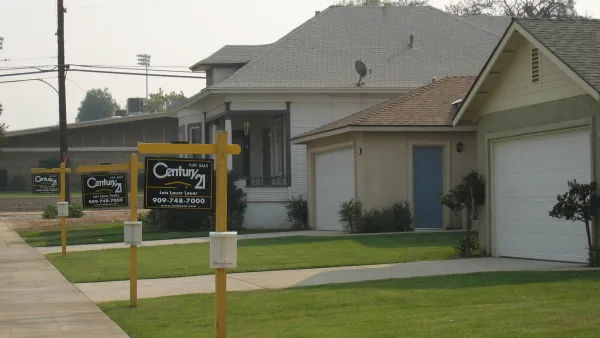
How Do We Calculate Demand for Housing?
Actual demand for a place's housing might exceed increases in the number of residents or households.
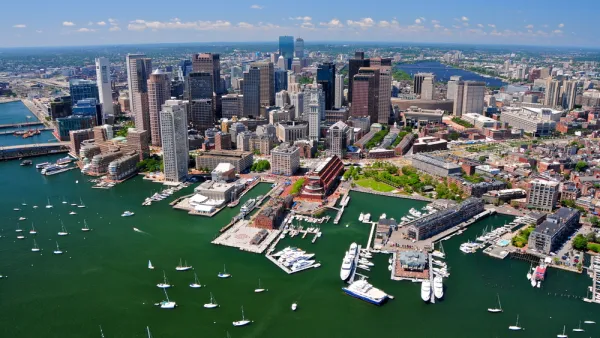
Big Boston Buildings Must Be Carbon Neutral by 2050
The Boston City Council approved a new ordinance would eliminate emissions from the 4 percent of the buildings responsible for 60 percent of the city's building emissions.
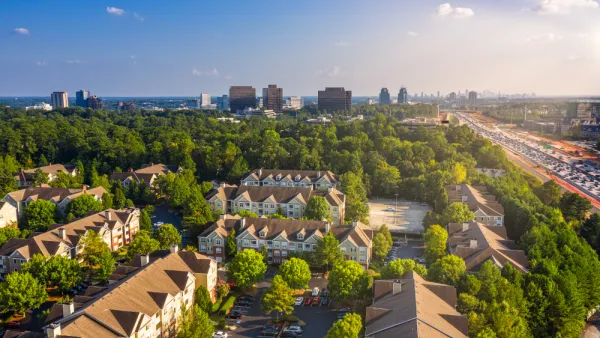
Atlanta's Pro-Density 'Comprehensive Development Plan' Stalls in City Council
Planning is politics, an Atlanta case study.
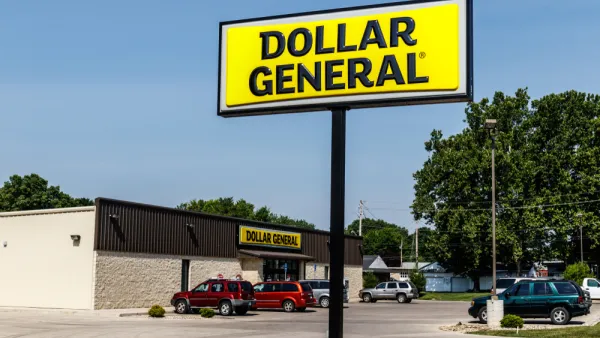
Retail Openings Outpace Closures in 2021
An estimated 20 percent of the stores to open so far in 2021 are Dollar Generals.
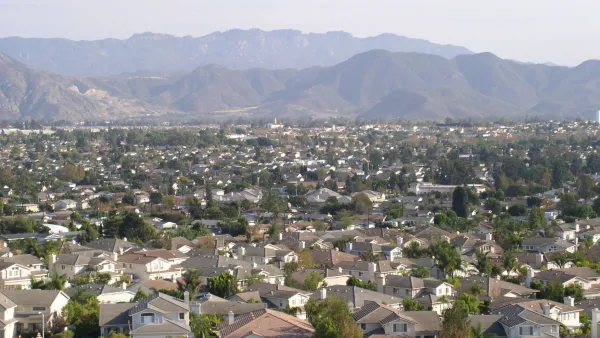
Eliminating Single-Family Zoning Alone Won't Solve California's Housing Crisis
While zoning reforms can help reduce barriers to building more housing, high construction costs and local opposition mean that the state won't see an immediate boom in density.
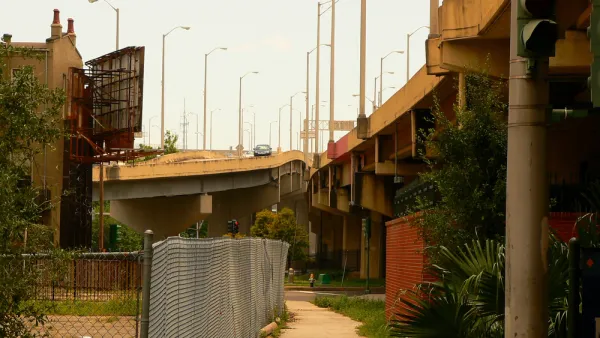
Outdated State and Federal Road Design Rules Hinder Freeway Removal
Although some cities are in favor of removing or reducing urban freeways in favor of more walkable spaces, guidelines like the 11-year-old MUTCD still encourage a 'throughput at all costs' mentality.
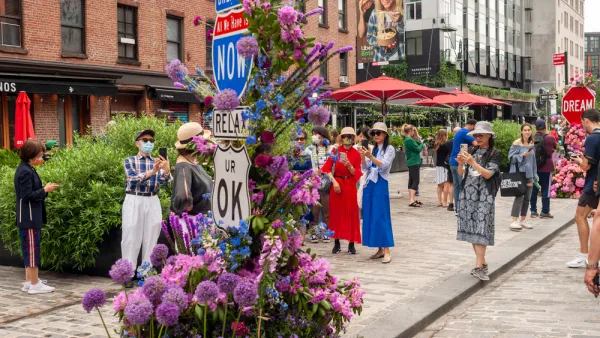
Don't Call it a Comeback: Big Cities Are Outlasting Predictions of Demise
As the new world order of working from home and vaccine hesitancy settles in, it's time to reevaluate assumptions from early in the pandemic about the effect of the public health on the economic health of large cities.
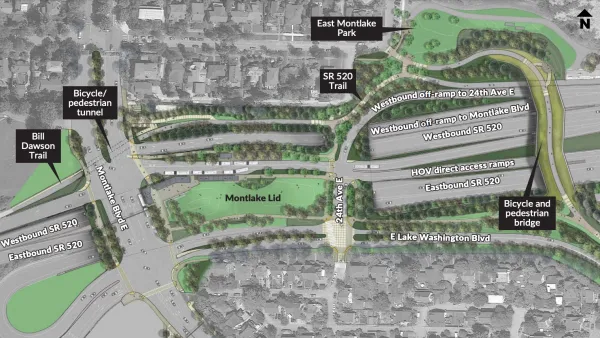
Seattle Freeway Lid Expected by 2030
When complete, the SR 520 Montlake Project will reorganize the street grid to provide new connectivity for pedestrians and cyclists.
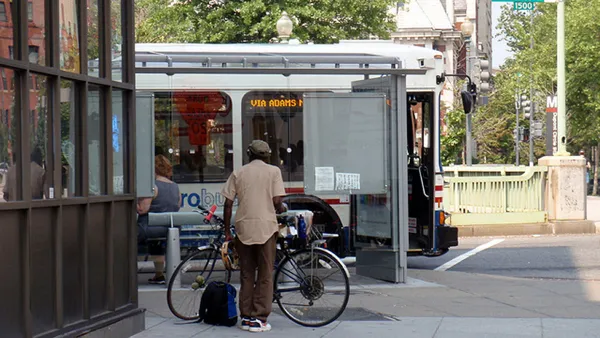
D.C. Considers Centering Equity in Transportation and Land Use Planning Decisions
A plan to prioritize equity would, according to regional planners, increase access to jobs and resources, reduce emissions, and improve public health.
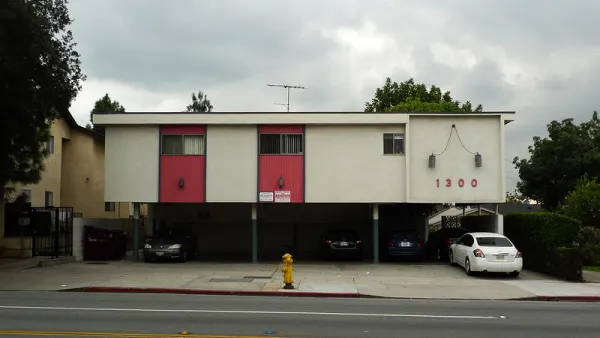
How the Iconic Dingbat Took Over Los Angeles
The low-slung, car-oriented apartment buildings represent a mid-century solution to a housing shortage and offer valuable lessons for new development.
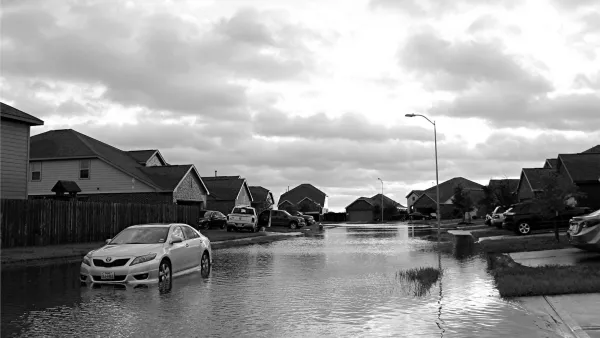
NPR: HUD Sells Flood-Prone Homes Without Disclosing Risks
The troubling trend is particularly pronounced in lower-income communities, where experts worry households are being inadvertently set up for big financial losses.
Student-Designed Cool Sidewalk Could Reduce 'Urban Heat Island' Effect
Researchers at the University of New Mexico created a sidewalk design using materials that would reduce heat absorption and require fewer materials than traditional concrete sidewalks.
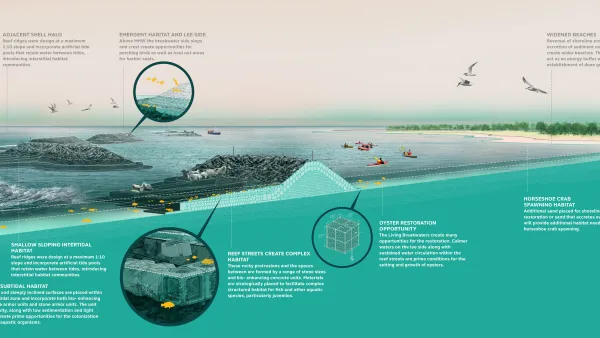
Staten Island's Living Breakwaters Project Breaks Ground
The coastal resiliency and biodiversity project is taking shape in Raritan Bay, an area devastated by Hurricane Sandy in 2012.

Opinion: Car-Centric Cities Hurt Kids
Designing neighborhoods with children in mind could reduce traffic fatalities and improve the health and well-being of kids.
How the Phoenix Tree Canopy Affects Urban Temperatures
As extreme weather intensifies, cities are using trees to mitigate the effects of climate change and reduce energy consumption.

FREE Course: Walkable City 1: Why Walkability?
After describing his path towards focusing on walkability as the essence of good planning, Jeff Speck marches through his five principal reasons for making more walkable places.
Reinventing Malls: Planning Alchemy—Turning Gray Fields Into Gold
The course focuses on the opportunities and imperatives that shape reinvention of mall sites.

City of Rosemead
Rutgers University, Edward J. Bloustein School of Planning and Public Policy
One Hundred Miles
University of Michigan School for Environment and Sustainability (SEAS)
Hunter College, City University of New York (CUNY)
The Architects Foundation
City of Cambridge
Montrose County
The Pocatello Development Authority









