The Iowa City Planning Commission approved a rezoning amendment that will allow new missing middle density and implement a form-based code for the city's South District. The city could expand the concepts as it expands the city in the future.


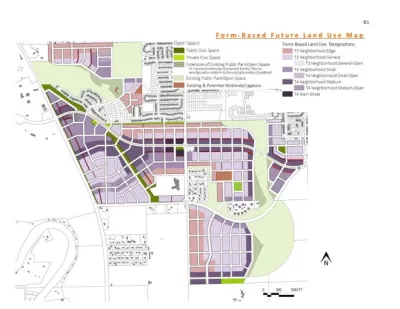
"Iowa City's long-term plans to rezone and develop 900 acres of land in the South District have passed the Planning and Zoning Commission, setting the stage for a broader debate about new development with the City Council in early October," reports George Shillcock.
The Iowa City Planning Commission approved both an amendment to the South District Comprehensive Plan and an amendment adding form-based standards for new development. The former amendment also "follows form-based standards," according to Shillcock.
Supporters of the zoning changes "are hopeful these changes could be a boon for new affordable housing, population growth and development in the South District, and in other parts of the city in the future," reports Shillcock.
A previous, paywalled article introduced the concept of missing middle housing as an tool for housing affordability. Plans to add form-based code elements to the zoning for the South District have been under consideration for years, according to a July 2019 article by Zachary Oren Smith (not paywalled).
According to Shillcock, Iowa City could expand the use of form-based codes to unincorporated parts of Johnson County targeted by the city for annexation.
A separate article published by the Congress for the New Urbanism, published after Shillcock's coverage, also shares the news of the South District form-based code.
FULL STORY: South District zoning changes move forward. How would new development affect the current neighborhood?

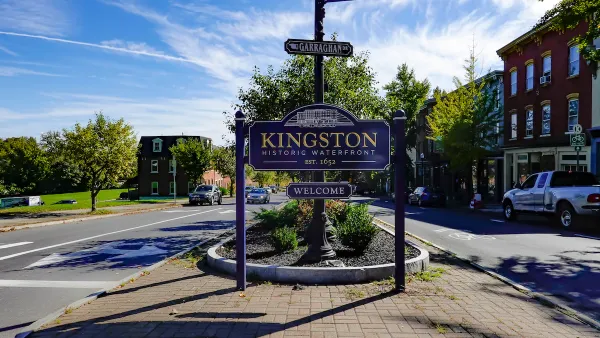
Kingston, New York Goes 100 Percent Form-Based for its New Code
Kingston recently adopted a form-based code, taking the rare step to entirely replace its old zoning code with form-based standards while also repealing parking requirements and allowing accessory dwelling units and missing middle housing.
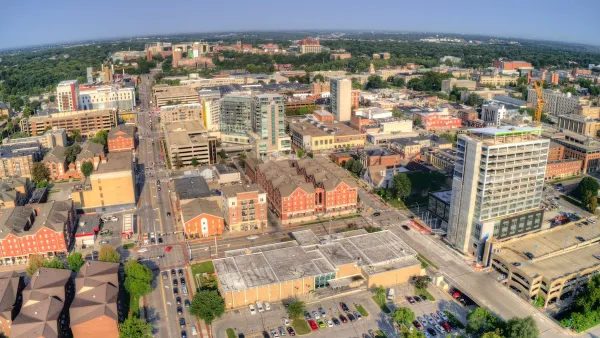
Iowa City Hopes Zoning Amendments Will Increase Housing Supply, Diversity
Iowa City is planning ahead to ensure that housing supply keeps up with housing demand.

Missing Middle Housing Reforms Coming to East Tennessee
With the cost of housing around Knoxville, Tennessee rising, elected officials and political candidates are looking for new ways to allow residential density.

The state-sanctioned urbicide of Austin
People don’t kill cities. Freeways do.

US to reduce Colorado River water deliveries to Mexico
A new Colorado Treaty amendment reduces Mexico’s Colorado River water allocation by 250,000 acre feet.

New Jersey’s second-largest city bans standalone data centers
Jersey City will continue to allow co-location facilities, such as those meant for research institutions that store their own data.

Amtrak not solely to blame for New Jersey commuter rail's unreliability, report finds
A new study from the Garden State Initiative found that NJ Transit’s budget grew 20% across a 4 year period, but reliability declined significantly over the same period.

EPA erases limits on planet-warming pollution from power plants
Under Monday’s plan, power plants would still have some limits on how much mercury, arsenic and other contaminants they can emit.

Phoenix announces new on-demand transit service, more frequent RAPID buses
Both new services will launch in October, and are part of Phoenix's Project Effective Access Solutions for Easing Congestion.

FREE Course: Walkable City 1: Why Walkability?
After describing his path towards focusing on walkability as the essence of good planning, Jeff Speck marches through his five principal reasons for making more walkable places.
Reinventing Malls: Planning Alchemy—Turning Gray Fields Into Gold
The course focuses on the opportunities and imperatives that shape reinvention of mall sites.

Eagle County Government
Harvard University Graduate School of Design
Nashville Planning Department
The Architects Foundation
University of Cincinnati Online
The Pocatello Development Authority
The Urban Renewal Agency of the City of Pocatello
Journal of the American Planning Association