Urban Development
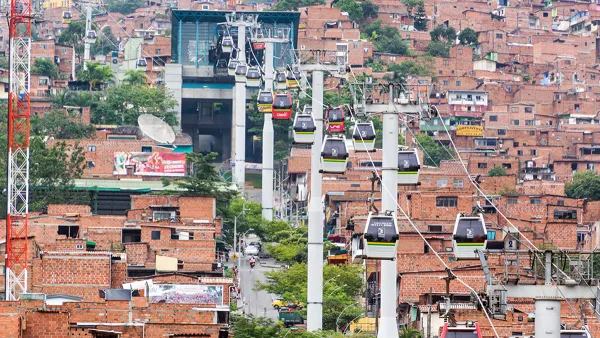
Infrastructure Investment for Public Safety: Lessons from Medellín
A natural experiment in Medellín indicates that infrastructural investments can reduce crime and improve perceptions of public safety.
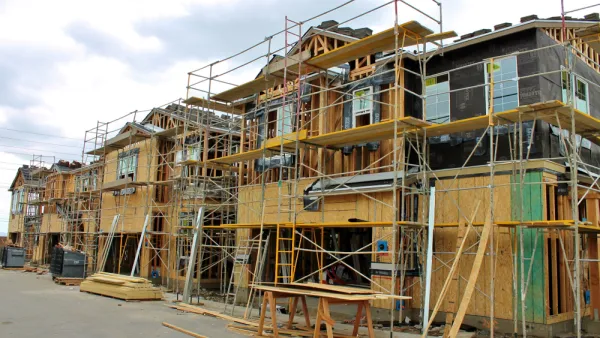
California Governor's Budget Supports Infill Development
Governor Newsom's new budget proposes incentives for developers to build housing in existing urban areas away from fire-prone zones to reduce fire risk and add to the state's insufficient housing stock.

It's Time to Get Serious About the Metaverse
The metaverse is expected to revolutionize the remote and hybrid workplace. But for cities whose municipal services rely on property and sales taxes, and even urban transit revenue, remote work could spell potentially long-term trouble.
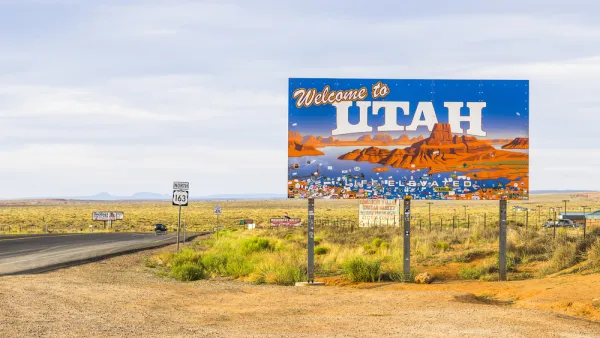
'15-Minute City' To Be Built in Utah
A community that focuses on reducing the need for car ownership and providing effective multimodal transportation and diverse land uses will be built from scratch on the site of the decommissioned Utah State Prison.

L.A. Wildlife Crossing To Break Ground This Spring
The planned wildlife bridge spanning an eight-lane freeway will be the world's largest and most ambitious project of its kind.
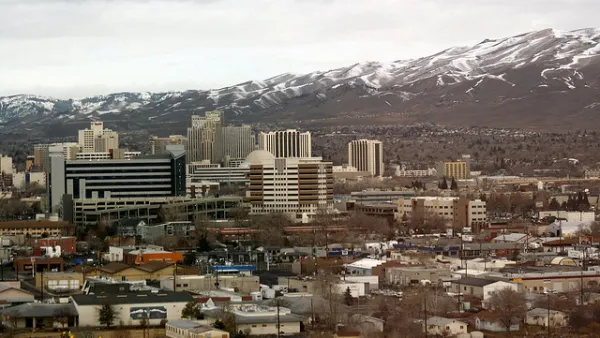
600 Demolished Housing Units and a Development Controversy in Downtown Reno
A developer with a pattern of tearing down affordable housing units in Reno is attracting negative public attention in Reno, Nevada.
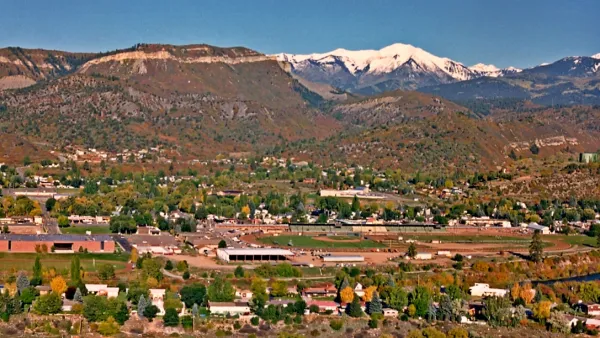
More Colorado Suburbs at Risk for Wildfires
Experts warn that more intense fires fueled by a warming climate are threatening an increasing number of Colorado's suburban communities.
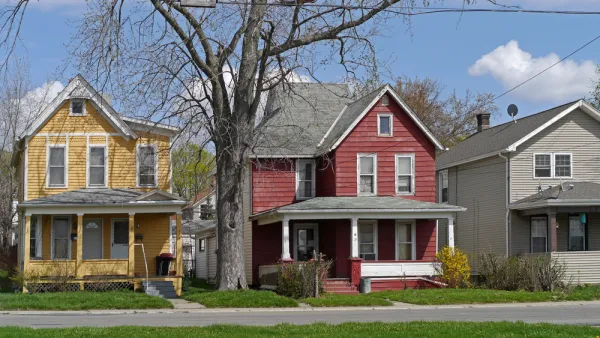
Opinion: New Construction Is Safer, Better for the Environment
The emotional attachment to old homes can obscure the benefits of new buildings, which consume less energy and provide more amenities for residents.
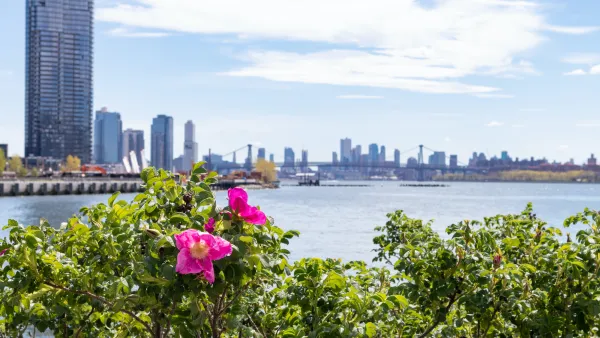
The Built Environment in 2022: Challenges and Opportunities
As climate change, the pandemic, and a historic housing crisis continue to impact the nation, experts weigh in on the issues that could shape the future of the built environment in 2022.
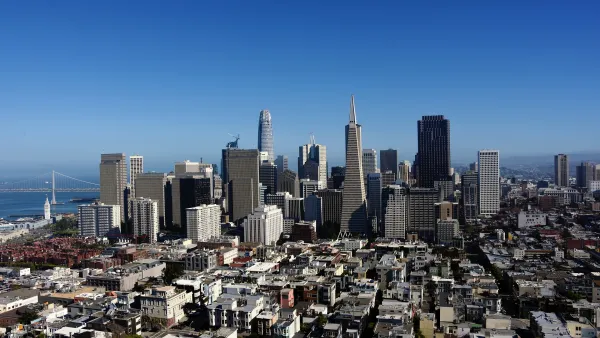
San Francisco's 1971 Urban Design Plan Echoes Today's Concerns
A 1971 effort to quantify the city's values and design goals reflects many of the same priorities that planners and residents face today.
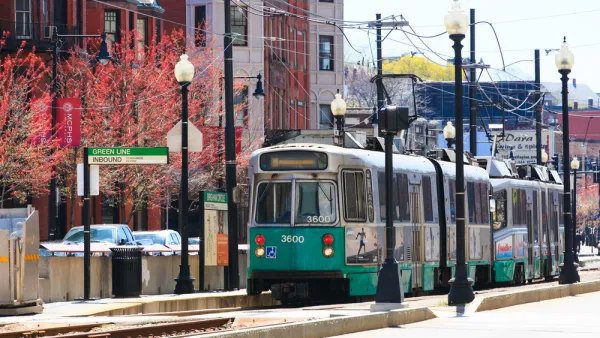
New Transit Oriented Zoning Criteria Proposed for Massachusetts
More details on the state of Massachusetts' game changing "Housing Choice" program are now available.
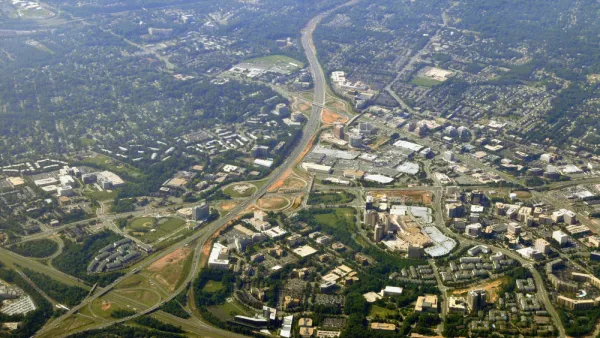
Rethinking Retail Space in the Wake of COVID-19
As e-commerce boomed and people sought outdoor shopping and dining options, the pandemic accelerated the decline of massive, merchandise-oriented retail spaces and indoor malls.
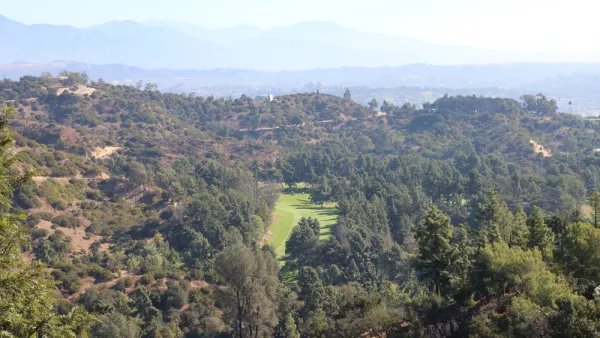
Proposed Bill Would Ease Conversion of Public Golf Courses to Housing in California
The California State Legislature will again consider a bill that would remove protections for municipal golf courses in the state, making it easier to rezone public golf properties for housing.
Planning Trends to Watch in 2022
Building a framework of understanding for the year to come.
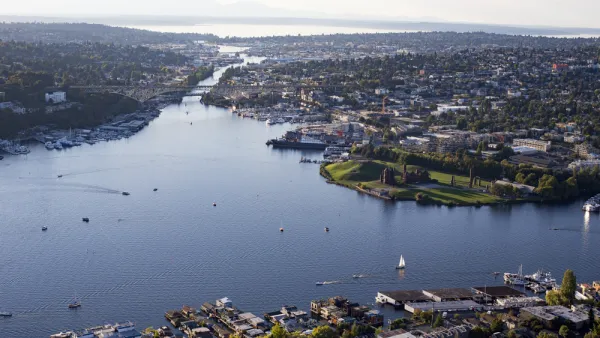
Washington Could Legalize 'Missing Middle' Housing Statewide
A proposed bill in the Washington state legislature that would legalize more multi-family housing in the state could add hundreds of thousands of units to the state's strained housing stock.
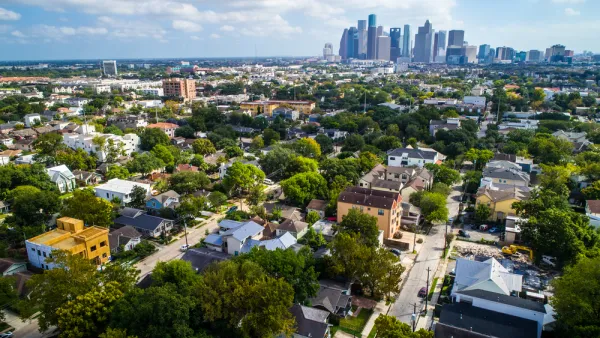
A Market Urbanism Manifesto
In his new book on market urbanism, Scott Beyer describes market urbanism and to compares it to the status quo.

How Remote Work Could Reshape American Cities
If projections about remote work hold true, the resulting migration could shift economic centers, disperse housing market pressures, and transform the politics of small communities.
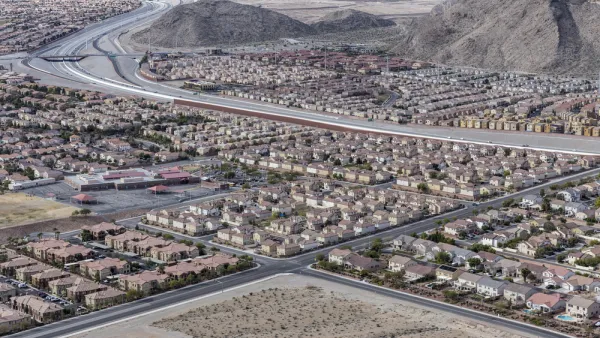
How COVID-19 and Skyrocketing Housing Costs Accelerated Sprawl
In search of space and affordability, American families are increasingly moving to suburbs and exurbs.
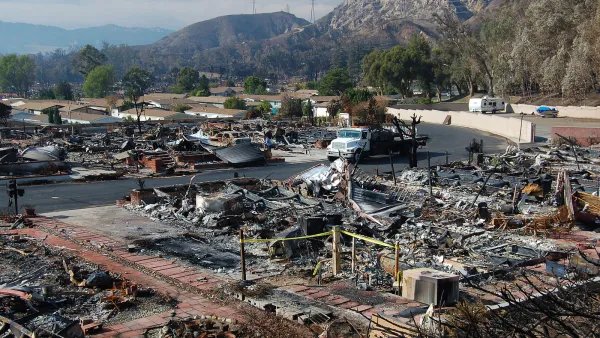
U.S. Communities Increasingly at Risk of Extreme Weather Events
As development pushes into more wildfire-prone areas and climate change makes extreme weather conditions more common, more Americans are experiencing the destructive impacts of climate disasters.
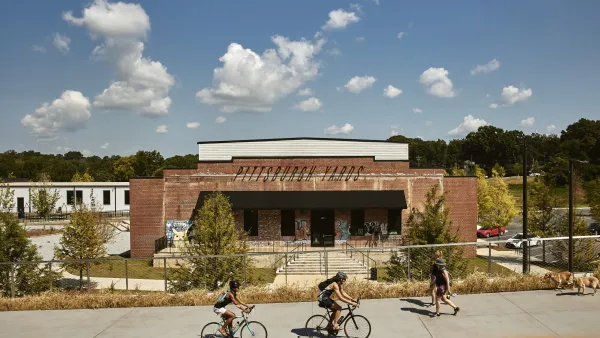
Measuring and Mapping Change Around the Atlanta BeltLine
A new way of keeping track of the changes caused by one of the nation's "most ambitious urban redevelopment projects."

FREE Course: Walkable City 1: Why Walkability?
After describing his path towards focusing on walkability as the essence of good planning, Jeff Speck marches through his five principal reasons for making more walkable places.
Reinventing Malls: Planning Alchemy—Turning Gray Fields Into Gold
The course focuses on the opportunities and imperatives that shape reinvention of mall sites.

City of Rosemead
Rutgers University, Edward J. Bloustein School of Planning and Public Policy
One Hundred Miles
University of Michigan School for Environment and Sustainability (SEAS)
Hunter College, City University of New York (CUNY)
The Architects Foundation
City of Cambridge
Montrose County
The Pocatello Development Authority









