Urban Development
New Garden City Won't Solve London's Affordable-Housing Problem
London’s contemporary affordable-housing crisis has revived a century-old idea: the garden city.
Social Justice Through Tiny House Communities
Tiny houses aren’t just for eco-warriors. They can also be a means for homeless and mentally ill individuals to reenter mainstream society.
Sow Low-Density Residential; Reap Lack of Retail
The cautionary tale of “a very suburban kerfuffle” in Blaine, Minnesota: residents of a “large, multi-builder housing development” who once opposed a multi-family residential development in the neighborhood now lament a lack of retail.
Vancouver Could Remove Parking Minimums for Condo Developments
Vancouver’s Transportation 2040 plan allowed for the easing of parking minimums for residential developments in parts of the city, and now city planners are beginning to explore where and how condos can be built without parking.
Is Providence, RI the Most Exciting Mid-Size City in America?
You’re totally forgiven for snickering; most people wouldn’t have guessed that a city in Rhode Island would have made it anywhere near the top of a list of exciting cities.

The Underlying Patterns of Urban Street Design
Based on empirical study, J. Alexander Maxwell and fellow University of Strathclyde researchers, in collaboration with Chuck Wolfe, argue for recalling historic patterns of pedestrian city settings in contemporary urban design and policies.
Massive Public Housing Project Endangered in Los Angeles
The Housing Authority of the City of Los Angeles had been counting on a $30 million Choice Neighborhoods federal grant to help fund a massive makeover for Jordan Downs—one of the most downtrodden sections of Watts in South Los Angeles.
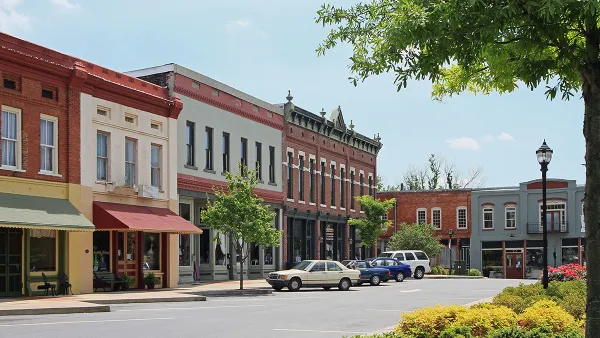
Making the Case for Downtowns: Tax Revenue
Joe Minicozzi of Urban3 recently got national media attention from Forbes. The article describes Minicozzi as a kind of evangelist, making a strong, rational case for cities of all sizes to invest in their downtowns instead of big box retail.

'Lean Urbanism' Explained
“Lean urbanism” is the latest buzz-worthy term to enter the discussion on planning and urbanism. A recent article in Atlantic Cities explains the concept—which appeals to the younger generation as well as those with libertarian leanings.
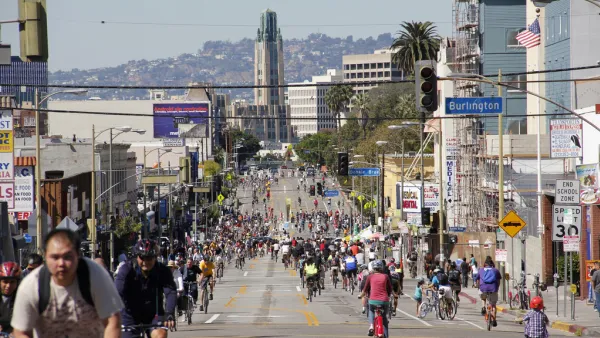
Can L.A.’s Streets Be Great? Deputy Mayor Rick Cole Opines
Los Angeles Deputy Mayor for Budget and Innovation Rick Cole shares his views on the critical ingredients necessary for the city to improve its thoroughfares at a Urban Land Institute-Los Angeles’ panel discussion titled "Can LA’s Streets Be Great?"
What Does it Take to Be New York City’s Next 'It' Market?
“Underpriced land and room for upward growth in rents is the magic formula that developers seek in the next hot neighborhood.” Just to the east of prospect Park in Brooklyn is a place that has both.
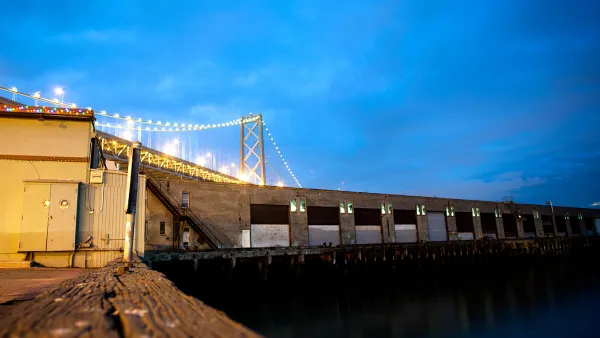
Dirty Politics in San Francisco’s Height Restrictions Initiative
The city of San Francisco will vote on Prop. B, an ordinance that would limit the height of developments along the waterfront, in June. The ballot will list the campaign manager for the Yes on B campaign as the official opponent of the measure.
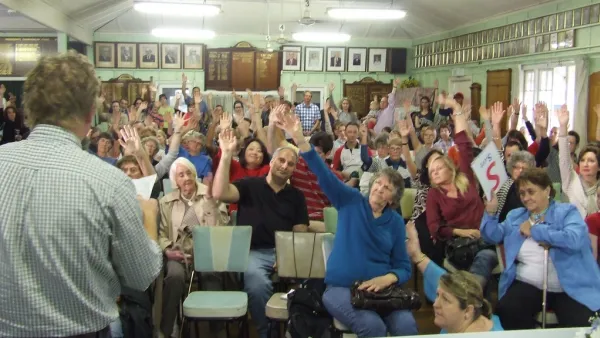
Community Surveys: Key Lessons for Planners
The concept of surveying residents to get their take on a development may seem like a simple idea, but it is no easy task. Planner Clement Lau shares key lessons learned about conducting and creating surveys as part of the planning process.
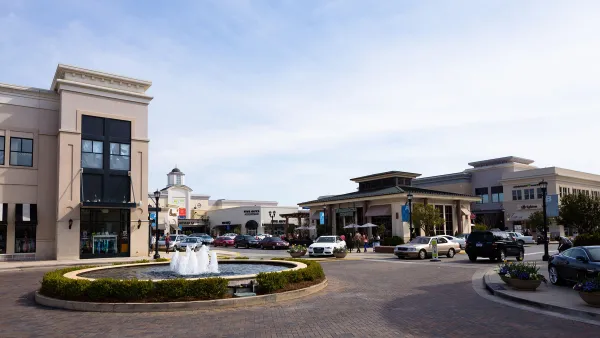
Southern Fried Urbanism
You do not hear much talk about meaningful urbanism in the Southeast U.S. Until political winds shift, don't expect that to change.

SPUR: The Bay Area Has A Sprawl Problem
SPUR states its case clearly by announcing, “We believe cities are the key to our future” at the opening of a new report called “SPUR’s Agenda for Change.”
Congress Inching Toward Small Changes to D.C. Height Restrictions
A strange scene this week: members of Congress discussing height restrictions in one of the country's largest urban centers. In the end, a House committee approved a bill that would loosen D.C.’s century-old Height of Buildings Act.
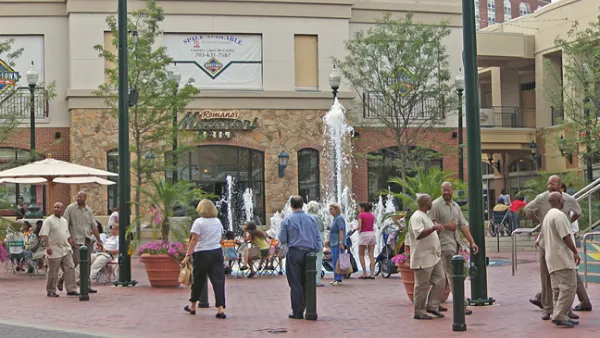
A Small City’s Quest for A Walkable Downtown
The city of Yakima, Washington, is exploring ideas to convert two large surface parking lots occupying valuable land in the city’s downtown core into a pedestrian friendly district.
Construction Starting on Southwest Waterfront Project in D.C.
After receiving a $220 million capital infusion, the developers of a 27-acre waterfront redevelopment proposal in Washington D.C. will break ground on the long-awaited project on March 19.
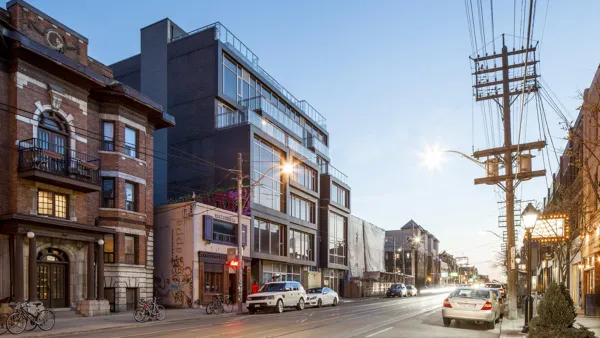
Mid-Rise: Density at a Human Scale
All growing cities must find ways to develop at appropriate, transit-supporting densities without overwhelming the surrounding context. The human-scaled, mid-rise building can be a solution—but achieving a good neighbourhood “fit” is not easy.
Can Frank Gehry Avoid Repeating Downtown Los Angeles’ Mistakes?
The high profile Grand Avenue project in Los Angeles’ Downtown Civic Center had been stuck in recession purgatory for years, until updated design plans by Frank Gehry were announced. Can the new development avoid the failures of Grand Avenue’s past?

FREE Course: Walkable City 1: Why Walkability?
After describing his path towards focusing on walkability as the essence of good planning, Jeff Speck marches through his five principal reasons for making more walkable places.
Reinventing Malls: Planning Alchemy—Turning Gray Fields Into Gold
The course focuses on the opportunities and imperatives that shape reinvention of mall sites.

Greater Baltimore Committee
Eagle County Government
Harvard University Graduate School of Design
The Architects Foundation
University of Cincinnati Online
The Pocatello Development Authority
The Urban Renewal Agency of the City of Pocatello
Journal of the American Planning Association