Urban Development
1,650-Mile Trail Network Proposed for New York Region
How does 1,650 miles of walking, hiking, and biking trails connecting the Tri-State area sound?
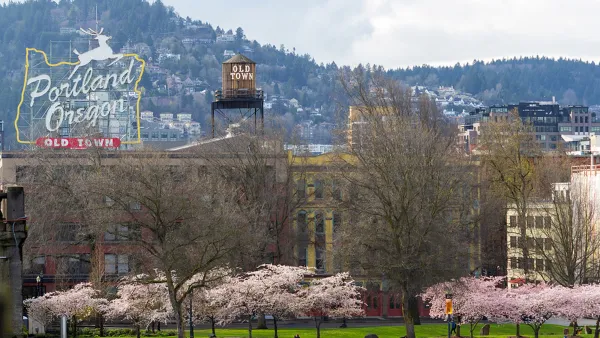
Portland to Consider New Residential Infill Regulations
The city of Portland's new residential infill ordinance would reduce the number of 1:1 demolitions—which often convert older, affordable homes into expensive McMansions.
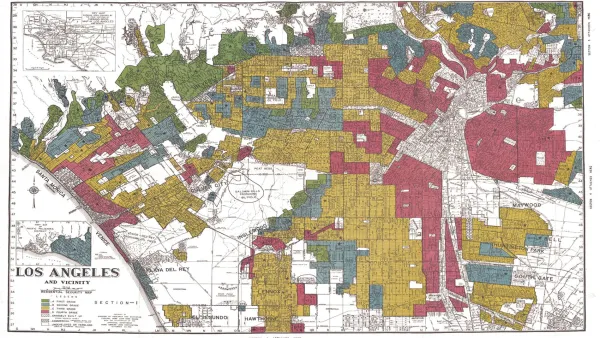
Nine Charts That Explain Wealth Inequality
Any way you slice it: the rich get richer, and the poor get poorer.
ADUs Are Having a Moment
Granny flats, mother-in-law units, accessory dwelling units (ADUs), or secondary units—whatever you call them, more and more cities, regions, and states are making it easier to deliver subtle density in the backyard.
Another Philadelphia Developer Tries to Rebrand a Whole Neighborhood
It turns out that locals don't like self-interested, unilateral decisions that erase the place names of the past.
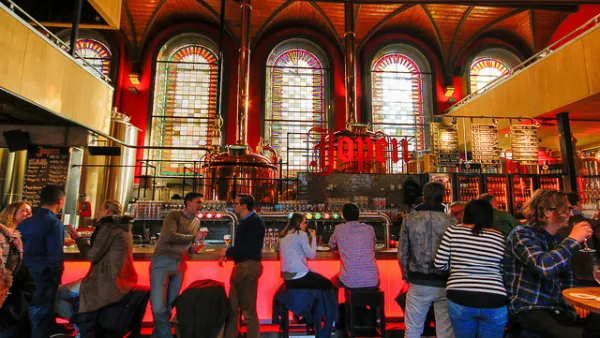
Adaptive Brew-Use
The Associated Press explores the trend of churches rebuilt as breweries.
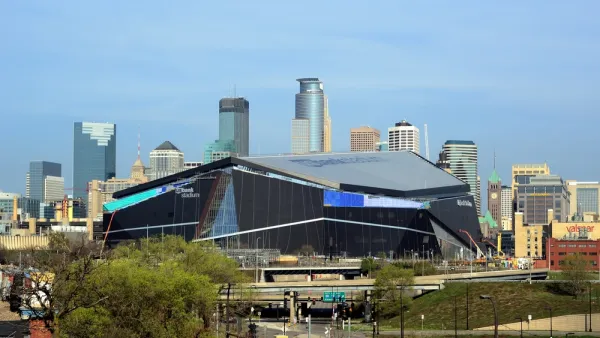
Twin Cities Hope to Regulate (and Tax) Airbnb in Time for the Super Bowl
The Twin Cities have a super-sized incentive to nail down regulations for short-term rentals. A tax revenue windfall hangs in the balance.
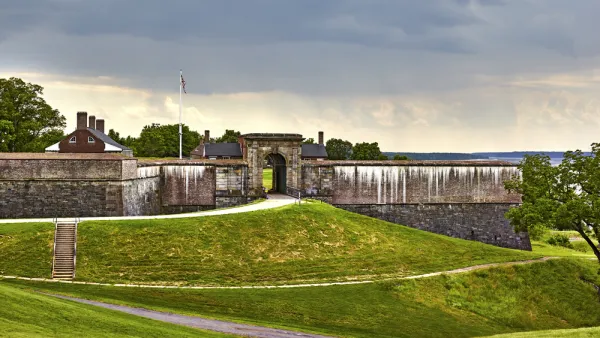
Take an Online Tour of Historic Prince George's County, Maryland
You don't have to be a fan of Prince George's County to be a fan of the historical maps and geographic insight on the online Prince George's Atlas.
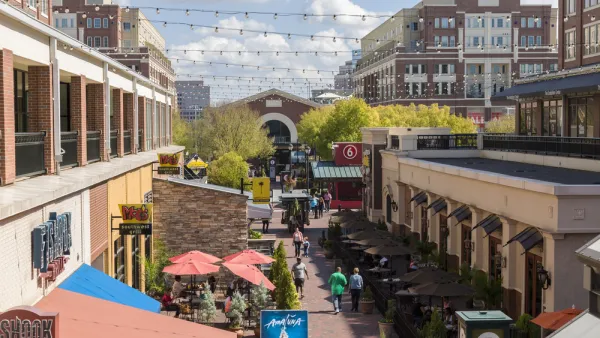
As Rents Increase, Atlanta Ponders a Future Like San Francisco's
Rents are spiking in the city of Atlanta—and the roster of big cities struggling to manage the costs of living grows.
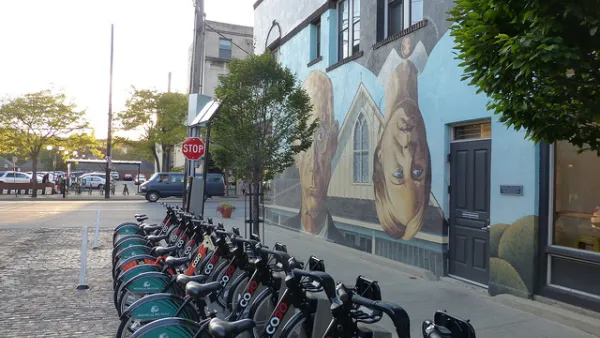
Columbus Leads the 'Hottest Hipster Markets' in the U.S.
A list to probably take with a grain of salt…artisanal salt served by a man with a perfectly waxed handlebar mustache.
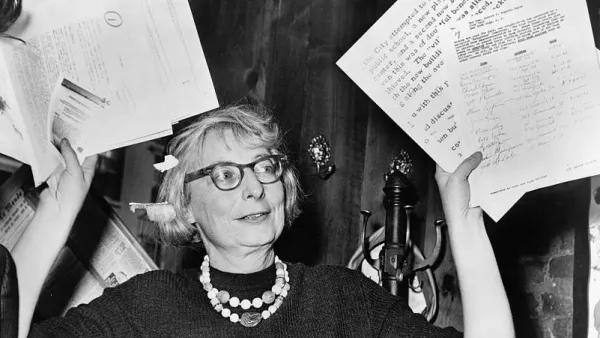
The 100 Most Influential Urbanists
These are the people that have had the most influence on the places and environments that we call home.
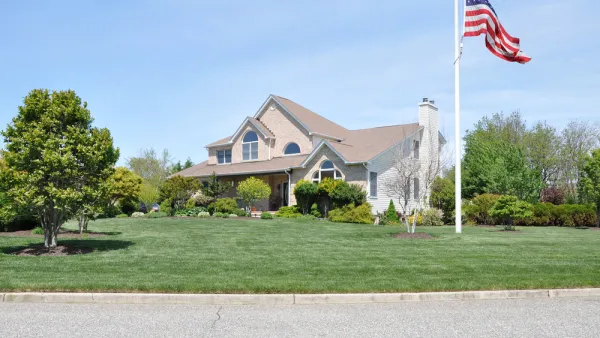
The Case Against Front Lawns
A writer collects evidence from pop culture, literature, and more in painting a portrait of the American relationship to front lawns—crabgrass and all.
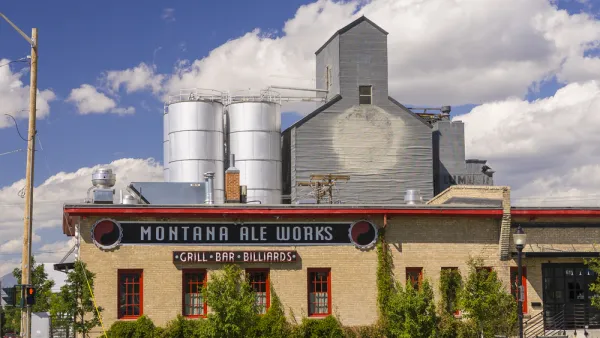
Craft Beer and Small Towns—A Perfect Pairing
NPR has identified a cultural phenomenon in rural America: craft beer is economic development—and a draw for young people.
Denver's November Election Will Answer Big Questions About the Built Environment
The Denver Post gives a preview of some of the big questions facing Denver voters in November.
Parking Strategies for Comprehensive Plans
Parking needs to be balanced with new development that supports active modes of transportation, integrates a complete streets approach, and values a high-quality public realm. Comprehensive plans can help achieve this balance.
450,000 People Live in Food Deserts in the Cleveland Area
A new map reveals the scale of the food desert challenge in Cleveland and environs.
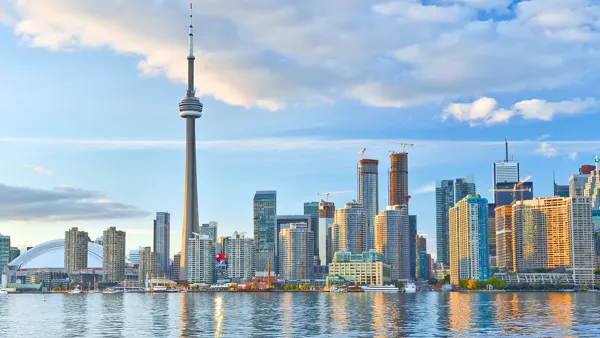
Sidewalk Labs to Test its Smart Cities Ideas in Toronto
Sidewalk Labs LLC, a unit of Google's parent company Alphabet Inc., has been awarded a high-profile opportunity to test ideas for "reimagining cities from the Internet up," as its company mantra says. The city of Toronto will be its testing ground.
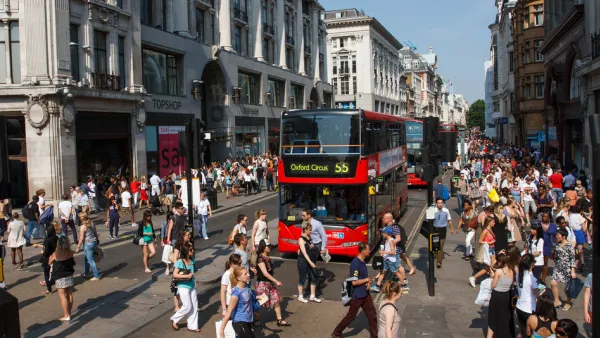
Study Touts the Public Health Benefits of Dense, Urban Living
A study of British cities find people living in dense urban cores are less likely to struggle with obesity and more likely to exercise—signs of higher quality of life—than their counterparts in suburban environments.
The PlanIt Podcast Explains Historic Preservation
More and more communities are including historic preservation in plan efforts. But what is Historic Preservation and what does planning for it mean? In this episode, John Smoley explains.
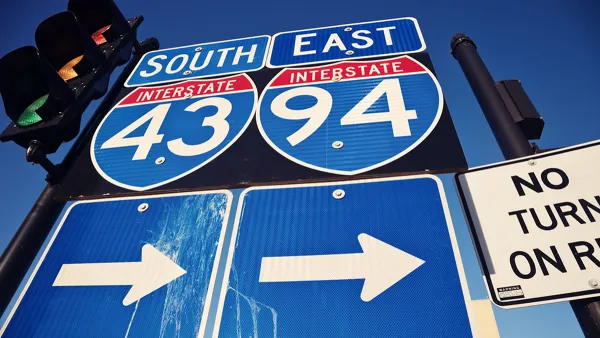
Wisconsin's $1.1 Billion Highway Widening Project on the Ropes
The proposed widening of I-94 in Milwaukee is a $1.1 billion chunk of a $6.4 billion road widening program in the region. The NAACP sued the project as a matter of environmental justice.

FREE Course: Walkable City 1: Why Walkability?
After describing his path towards focusing on walkability as the essence of good planning, Jeff Speck marches through his five principal reasons for making more walkable places.
Reinventing Malls: Planning Alchemy—Turning Gray Fields Into Gold
The course focuses on the opportunities and imperatives that shape reinvention of mall sites.

City of Rosemead
Rutgers University, Edward J. Bloustein School of Planning and Public Policy
One Hundred Miles
University of Michigan School for Environment and Sustainability (SEAS)
Hunter College, City University of New York (CUNY)
The Architects Foundation
City of Cambridge
Montrose County
The Pocatello Development Authority









