Chicago's North Branch Framework Plan and Design Guidelines, approved in May, is already having the expected effect: big, flashy developments in the pipeline.



Ryan Ori reports on the first signs of the market responding to land use changes made on a 3.7-mile stretch of the Chicago River.
"Belgravia Group has a contract to buy a triangular, 4.5-acre land parcel for about $20 million," according to Ori. "Belgravia's preliminary plan is for multiple low-rise buildings with about 90 condominiums, 250 apartments and 60,000 square feet of retail."
News of the project follows the May approval of a new plan for the 760-acre industrial corridor, the North Branch Framework Plan and Design Guidelines, though "specifics of the zoning overhaul still are being hashed out, and each individual development will require negotiations with the city."
Ryan Ori reported on the plan when the draft was released, predicting the new plan would precede a building boom.
Read the full story: More than 300 homes proposed in North Side industrial corridor

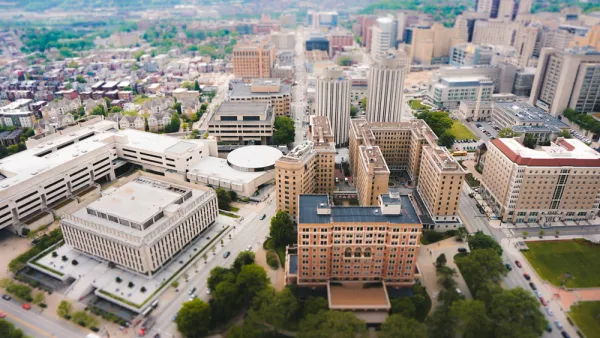
Pittsburgh Moves Ahead With Zoning Changes for University-Adjacent Neighborhood
The implementation of a new master plan for the neighborhood of Oakland, home to the University of Pittsburgh, is moving forward despite controversy and a contentious community engagement process.

Opinion: It's Time to Rezone Gowanus
As the New York City Council considers a controversial plan for the Gowanus neighborhood in Brooklyn, Moses Gates calls on the city to pass "one of the best and most inclusive community planning processes in recent times."
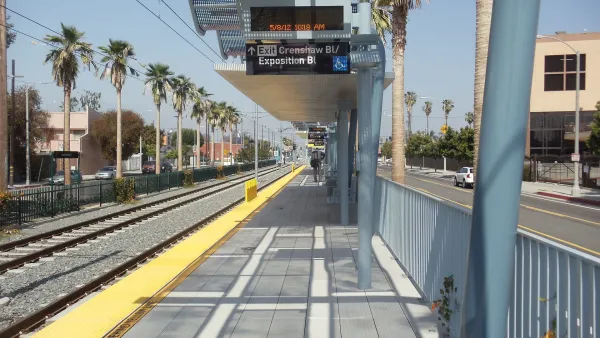
Inglewood Set to Rezone Neighborhoods Near New Transit Lines
Plans for the area include thousands of new housing units, public parks, and improved bike and pedestrian infrastructure.

Planetizen Federal Action Tracker
A weekly monitor of how Trump’s orders and actions are impacting planners and planning in America.

California plans to bury El Niño’s downpour
If the state plays its cards right, it may be able to store a billion acre-feet of El Niño’s water in aquifers.

Chicago breaks ground on $3 billion megadevelopment
The new neighborhood, titled Foundry Park, will one day host 3,700 residences.

One of Denver’s busiest corridors to gain BRT
The project will span 18 miles and contain 74 bus rapid transit stations.

275,000 bus trips are at stake on Seattle's ballot
If passed, the Seattle Transit Measure would trigger a 0.3% sales tax and raise an average of $138 million per year to maintain and expand Seattle’s bus services.

Texas may pay Israeli company billions to ease water woes
Texas awarded IDE Technologies the contract for its Harbor Island project, which is slated to become the Western Hemisphere's largest desalination plant.

FREE Course: Walkable City 1: Why Walkability?
After describing his path towards focusing on walkability as the essence of good planning, Jeff Speck marches through his five principal reasons for making more walkable places.
Reinventing Malls: Planning Alchemy—Turning Gray Fields Into Gold
The course focuses on the opportunities and imperatives that shape reinvention of mall sites.

City of Rosemead
Rutgers University, Edward J. Bloustein School of Planning and Public Policy
One Hundred Miles
Hunter College, City University of New York (CUNY)
The Architects Foundation
University of Cincinnati Online
City of Cambridge
Montrose County
The Pocatello Development Authority