Urban Development
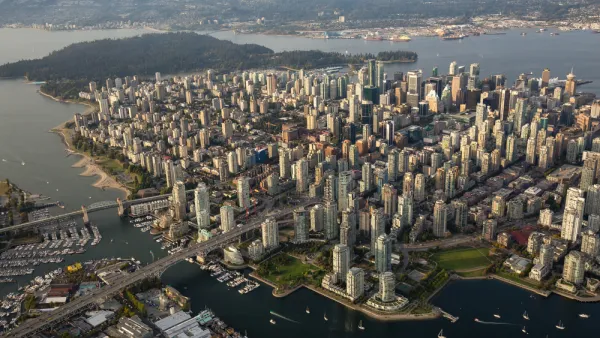
Vancouver's New 10-Year Housing Strategy Focuses on Rentals
Vancouver is famous for high-rises and a decidedly urban quality of life, but housing prices are still skyrocketing. A new ten-year housing strategy proposes a few drastic measures to rebalance the market's scales.

Caltrain Electrification Can't Come Soon Enough for Neighbors
Transit adjacent developments have their downsides when the transit is a diesel-powered commuter train, and the location is a stub-end terminal. Case in point: San Francisco's Mission Bay.
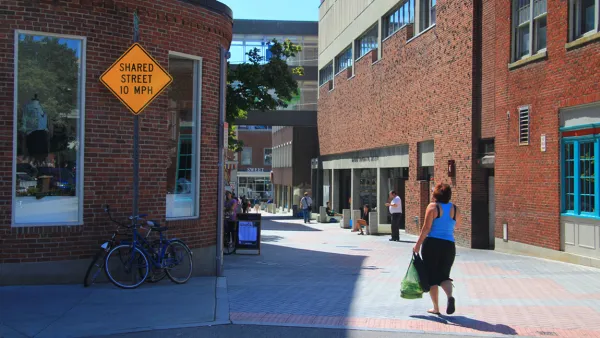
Video Explainer: The Magic of Shared Streets
Most people would probably assume a shared street, with no signs, lanes, or other regulatory infrastructure, is an accident waiting to happen. More and more cities are proving the opposite.
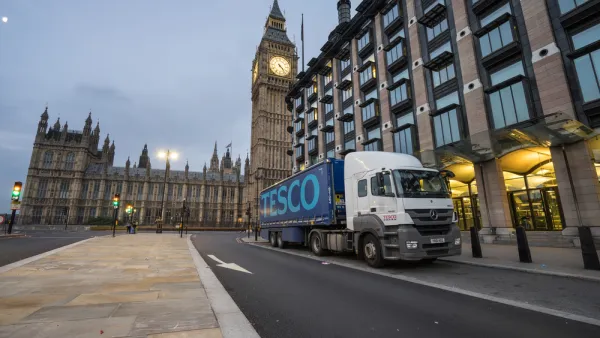
London Plan Takes a Bold Stand Against Parking
The new 25-tear London Plan would ban the construction of parking in large swatches of the city. It's just one component of an ambitious policy agenda presented by London Mayor Sadiq Khan this week.

The Fourth Regional Plan Plots a Course for the New York Region
The Regional Plan Association released its eagerly anticipated Fourth Regional Plan on Thursday.

Housing Growth Stagnates in Boston Suburbs
Boston economists are sounding the alarm: while the city itself is adding plenty of housing, there's not a lot happening in the suburbs. That may adversely affect older folks who want to sell and younger people looking to buy.

A Proposal to Plan Regionally in the Silicon Valley
Could development fights in the home of the biggest tech companies be avoided if cities just talked to each other?
Detroit Greenlights Plans for New and Old Jails
A city-county land swap will allow Dan Gilbert to reimagine a former jail, plus build an entirely new one.
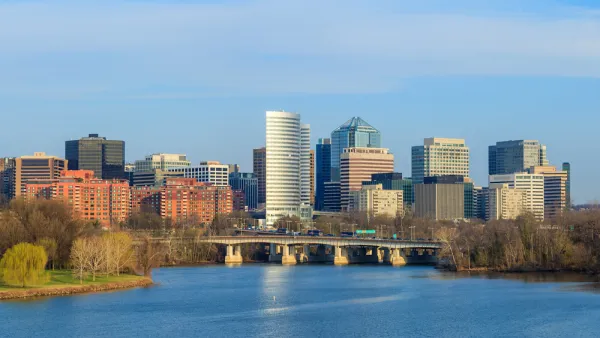
Arlington County Reduces Parking Requirements for Multi-Family Developments on Metro Corridors
In addition to reducing parking requirements to 0.2 to 0.6 spaces per unit for developments "approved by special exception," the board went a step further by requiring mitigations if developers provide more than 1.65 spaces per unit.

Milwaukee Lot to be Developed Despite Apprehension
A mixed-use infill project on a tiny lot in Milwaukee is causing a proportionate share of anxiety

South L.A. Community Plans Tackle Gentrification
As public and private investment grow in South L.A., new community plans mark a victory for local organizers seeking to prevent displacement.

Unfortunate Lessons for City Planners From the Grenfell Tower Fire
The Grenfell Tower Fire in London took the lives of 71 people, and investigators are still searching for lessons from the tragedy. American planners shouldn't neglect these lessons, either.
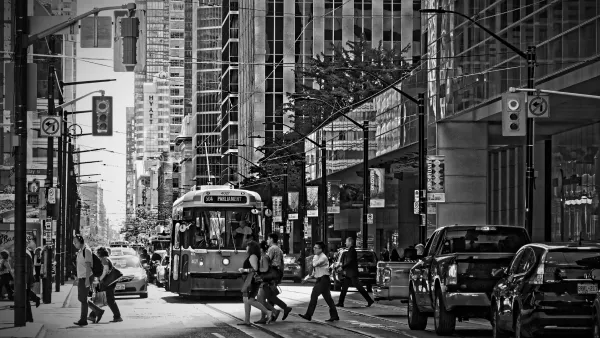
In Praise of Toronto's Least Ambitious Transit Project
After decades of big, expensive plans, diverting cars from a busy streetcar route will make a bigger difference to commuters for far less money.

The Block Fallacy, or How Not to Build a Circulation System
An examination of the Block Ordinance as a panacea for the ailments of modern cities.
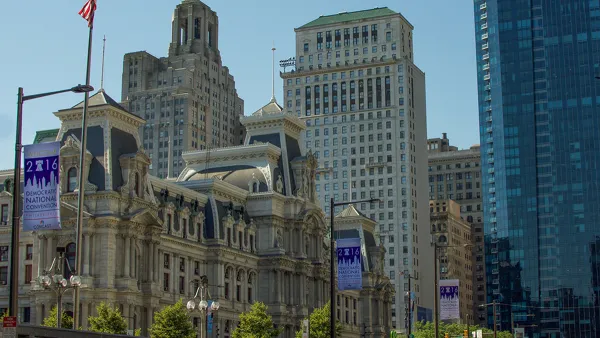
Philadelphia's New Inclusionary Zoning Ordinance Hangs Up in Committee
Philadelphia's controversial "Mixed-Income Housing Program" legislation has run into stiff resistance from developers and builders.

Making the Leap From Smart Projects to Smart Cities
Most "smart city" projects to-date are somewhat isolated and are not part of a more comprehensive network.

Report: NYC Bus System in Crisis
A new report cites decreased ridership and dismal service despite a growing need for more and better routes.
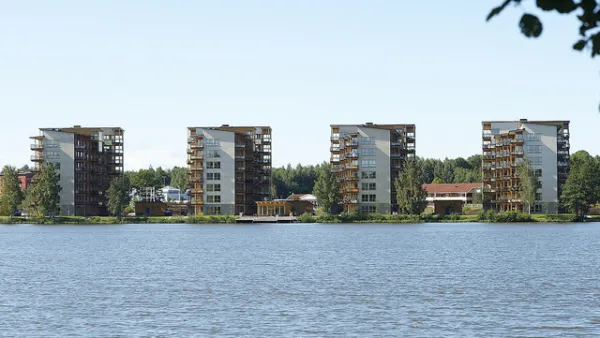
Timber Industry 'Bracing' for Soaring Demand
Building with wood is back in fashion, but lumber producers have to reckon with thorny politics and new timber-based materials that have yet to be truly defined.
Who Opposes New York's BQX Streetcar? Not Who You Think
Brooklyn and Queens need better transit, but activists say this waterfront "luxury trolley" is not the way to get it.

Not Enough Condos to Go Around in Downtown Cleveland
What will it take for the supply of urban condos to catch up with the demand in Downtown Cleveland?

FREE Course: Walkable City 1: Why Walkability?
After describing his path towards focusing on walkability as the essence of good planning, Jeff Speck marches through his five principal reasons for making more walkable places.
Reinventing Malls: Planning Alchemy—Turning Gray Fields Into Gold
The course focuses on the opportunities and imperatives that shape reinvention of mall sites.

City of Rosemead
Rutgers University, Edward J. Bloustein School of Planning and Public Policy
One Hundred Miles
University of Michigan School for Environment and Sustainability (SEAS)
Hunter College, City University of New York (CUNY)
The Architects Foundation
City of Cambridge
Montrose County
The Pocatello Development Authority









