Transportation
National Roadway Safety Program Centers Vision Zero at the Federal Level
A new federal program will direct resources to reducing traffic deaths, improving roadway safety, and encouraging a shift to sustainable transportation modes.
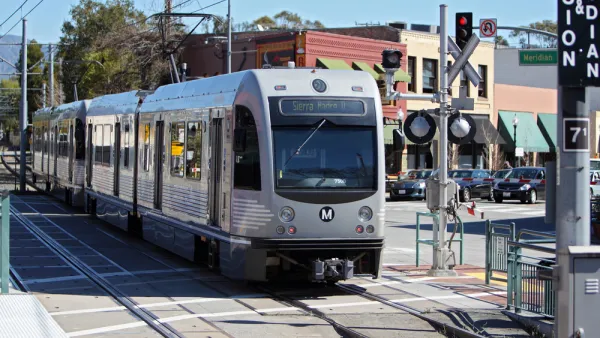
A New Transit Vision for Southern California's San Gabriel Valley
Light rail transit only recently arrived in its contemporary form to the San Gabriel Valley—first to Pasadena in 2003 before heading further east into the valley in 2016. The future of public transit modes in the region are still under negotiation.
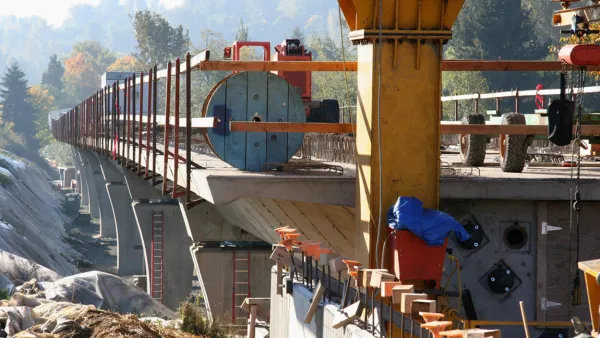
U.S. DOT's 2022 RAISE Grants to Target Emissions Reductions, Racial Equity
The RAISE grant program continues to make history as a distinct departure from U.S. transportation planning tradition.
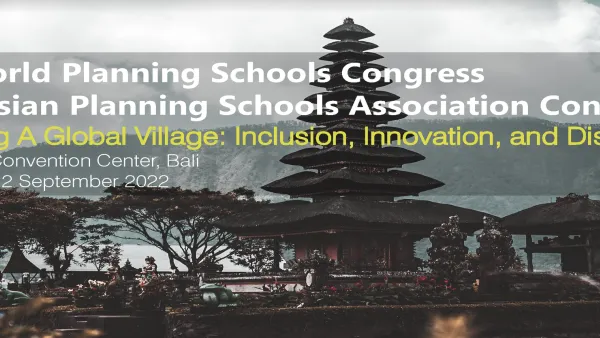
World Planning Educators To Meet in Indonesia
The fifth World Planning Schools Congress this coming August, organized on the theme Planning a Global Village: Inclusion, Innovation, and Disruption, will step up cross-border movement of planning ideas and practices.
Arlington County Authorizes Speed Cameras
The Arlington County board approved a program that will install traffic cameras in an effort to protect pedestrians and reduce police interactions.
Can High-Speed Roads Stop Climate Change?
Some argue that even if wider roads induce more travel, they will actually reduce pollution by speeding it up. This post addresses one such argument.
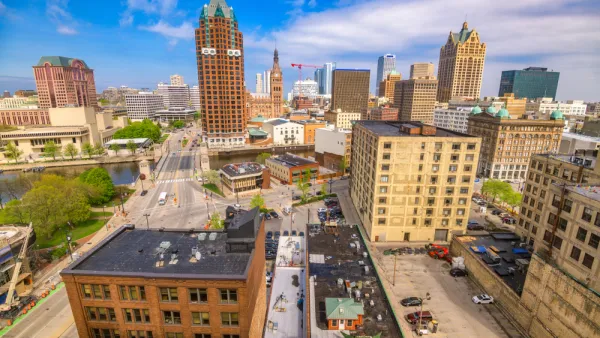
On-Demand Transit To Connect Suburban Milwaukee Job Centers
A new last-mile service set to launch in February will connect the city's residents with job-rich suburbs.
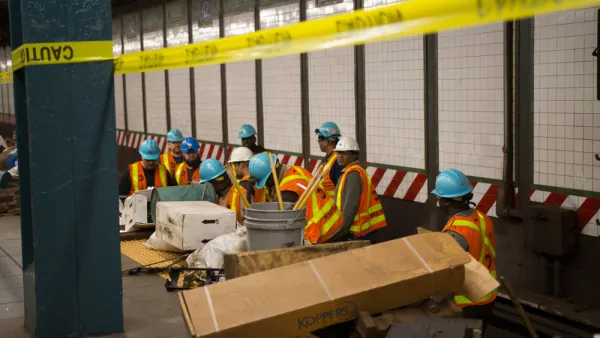
Big Transit Projects To Look Forward to in 2022
An exhaustive list of all fixed-guideway projects scheduled to open or break ground in the U.S. in 2022.
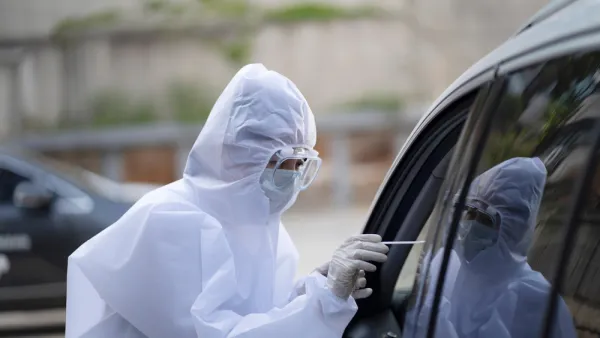
COVID Zero: The High Price of Containment
Vision Zero: a strategy to eliminate road crashes, particularly those with fatal outcomes. COVID Zero: a strategy to end coronavirus transmission. Only one has worked—but at a steep price.
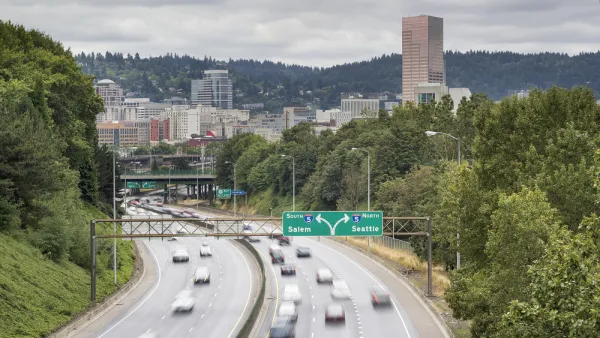
Oregon Youth Activists Protest Highway Expansion
A group of young climate activists are demanding an end to traffic-inducing road expansion projects and a renewed commitment to sustainable, transit-oriented transportation.
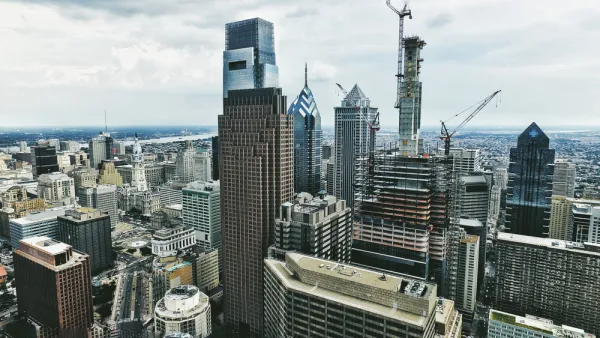
The Path to Hyperdensity
The federal government has an opportunity to make a generational investment in the country's infrastructure that could fundamentally shift the way we live and move around cities.
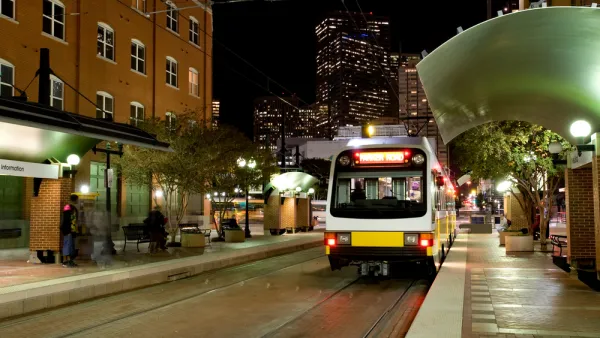
Houston Transit Barely Beats Out Dallas for Ridership
Out of the top five U.S. metro areas, Houston's transit ridership is second-lowest only to Dallas.
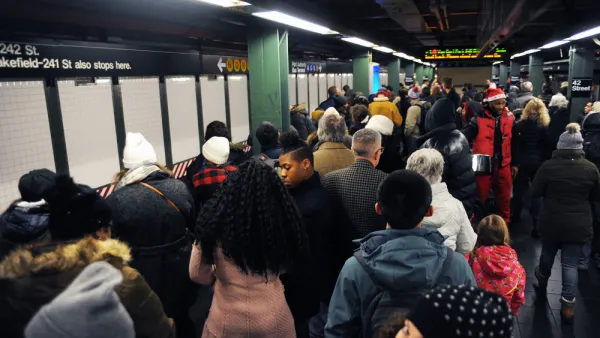
The NYC Subway's Uneven Recovery
As subway riders return in fits and starts, some stations are experiencing a much faster recovery than others.
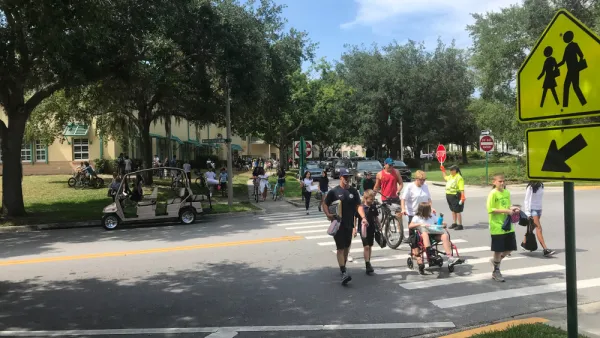
Opinion: Road Safety Data Should Include Close Calls
Even in the absence of lethal collisions, the experience of repeated near-misses can discourage pedestrians from walking and degrade public perception of road safety.
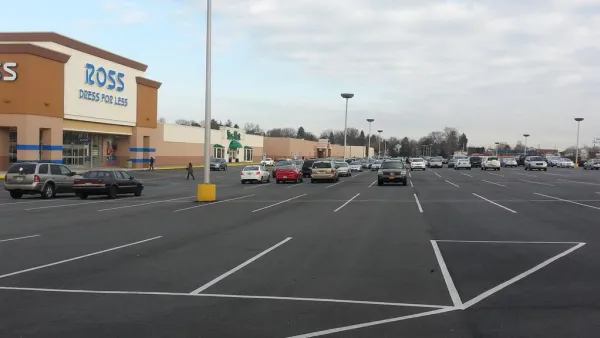
Progressive Political Support Sought for Parking Reforms
Despite mounting evidence that parking requirements subsidize cars, raise the cost of housing, and contribute to greenhouse gas emissions, few policymakers have strongly advocated to end them.
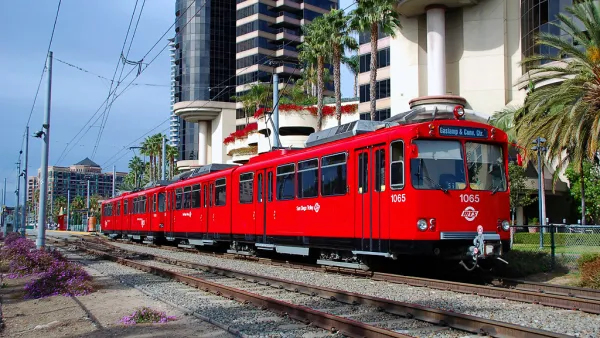
Report: San Diego Trolley Extension Cost Double the Average for U.S. Light Rail
Experts attribute the high cost of the project to local opposition and call on state and federal leaders to give transportation agencies more authority over local jurisdictions.
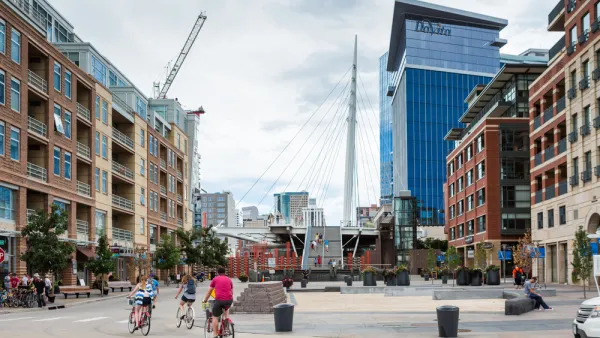
Local Resistance Hinders Transit-Oriented Development
As states move to boost housing production near transit, opposition from neighborhood groups frustrates efforts to build new developments.
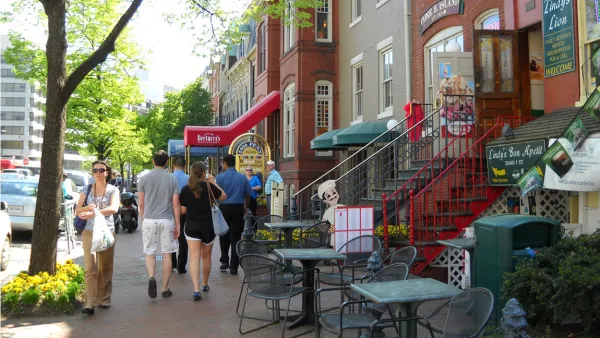
What Is Walkability?
Walkability refers to the ability to safely walk to services and amenities within a reasonable distance, usually defined as a walk of 30 minutes or less.
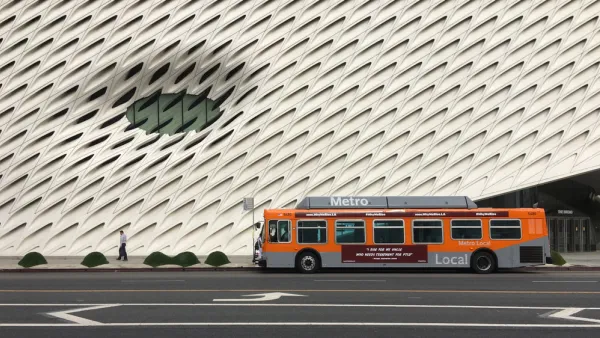
ITE Quickbites: New Transportation and Health Resources
Transportation planning decisions affect our lives in many ways. New Quick Bites (short reports) published by the Institute of Transportation Engineers can help create healthier and happier communities.
Feds Toss the Environmental Assessment for Portland Controversial Freeway Widening Project
It's back to the drawing board for the I-5 Rose Quarter Improvement Project.

FREE Course: Walkable City 1: Why Walkability?
After describing his path towards focusing on walkability as the essence of good planning, Jeff Speck marches through his five principal reasons for making more walkable places.
Reinventing Malls: Planning Alchemy—Turning Gray Fields Into Gold
The course focuses on the opportunities and imperatives that shape reinvention of mall sites.

KFH Group Inc.
Greater Baltimore Committee
Eagle County Government
The Architects Foundation
University of Cincinnati Online
The Pocatello Development Authority
The Urban Renewal Agency of the City of Pocatello