The agency's CEO says the system needs more funding to make service improvements and make the shift to an electrified fleet.


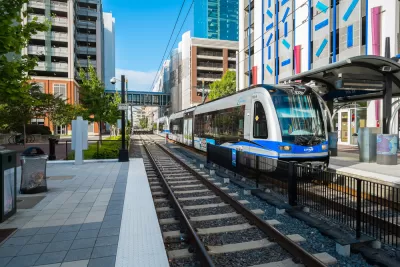
With transportation making up 40 percent of the Charlotte region's carbon emissions, the local transit agency is calling for a sales tax increase to fund more sustainable transit and encourage a mode shift to its rail and bus services.
As David Boraks reports, the head of the Charlotte Area Transit System (CATS), along with other city leaders, has proposed a 1-cent sales tax increase that would fund Charlotte's mobility network. The agency wants to improve service frequency, buy an additional 100 buses, and hire more operators and mechanics. "At the moment, the system remains hobbled by the coronavirus pandemic. Ridership is stagnant and worse, CATS is facing staff shortages due to illness as well as a high number of vacancies in existing positions."
CATS CEO JOhn Lewis highlighted the importance of getting more people to ride buses and trains: "We're doing things, where we're converting our fleet to electric buses. And we can talk about that if you want. But the best thing that we can do to help is to have a system that is so reliable that people want to get out of their cars."
The proposal faces doubts from some local communities who worry they won't benefit and may not reach the ballot this November.
FULL STORY: Public transit is a climate change tool, but CATS chief says he needs funding to make it better

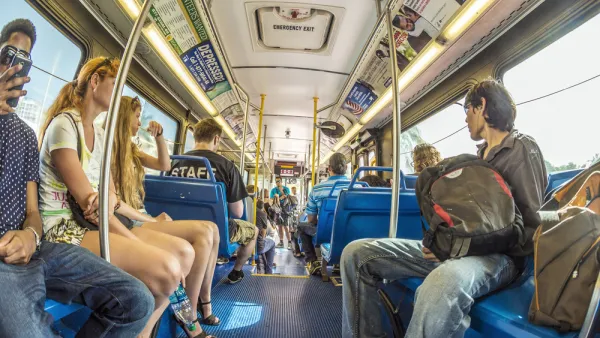
To Fight Climate Change, Support Public Transit
Electric cars may garner a lot of attention these days, but significantly reducing carbon emissions and urban congestion means investing in high-quality mass transit.
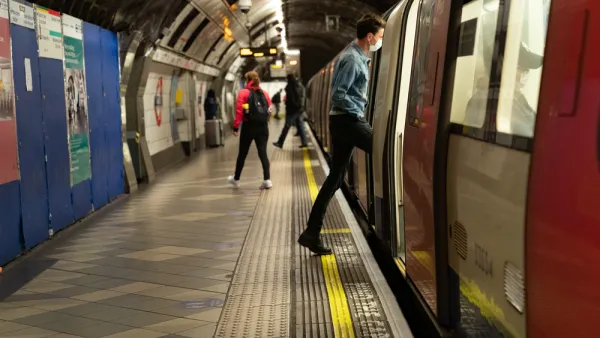
Falling Transit Ridership 'Disastrous' for Greenhouse Gas Reductions
With ridership at record lows and agencies struggling to stay afloat, public transit around the world will need robust investment to recover after the pandemic.
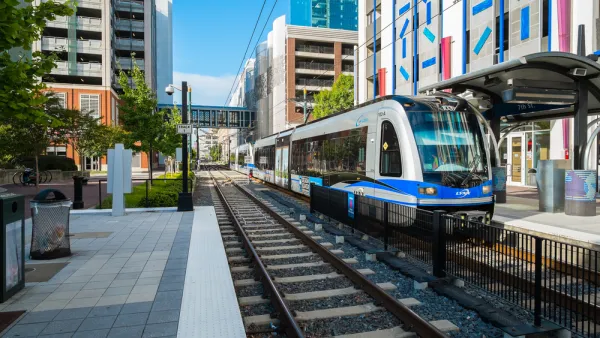
A New 26-Mile Light Rail Line Considered for Charlotte
The Charlotte Area Transit System (CATS) would like to add an ambitious, expensive project to its capital investment plans, but funding the project is more daunting than the last time the system expanded.

The state-sanctioned urbicide of Austin
People don’t kill cities. Freeways do.

US to reduce Colorado River water deliveries to Mexico
A new Colorado Treaty amendment reduces Mexico’s Colorado River water allocation by 250,000 acre feet.

New Jersey’s second-largest city bans standalone data centers
Jersey City will continue to allow co-location facilities, such as those meant for research institutions that store their own data.

Amtrak not solely to blame for New Jersey commuter rail's unreliability, report finds
A new study from the Garden State Initiative found that NJ Transit’s budget grew 20% across a 4 year period, but reliability declined significantly over the same period.

EPA erases limits on planet-warming pollution from power plants
Under Monday’s plan, power plants would still have some limits on how much mercury, arsenic and other contaminants they can emit.

Phoenix announces new on-demand transit service, more frequent RAPID buses
Both new services will launch in October, and are part of Phoenix's Project Effective Access Solutions for Easing Congestion.

FREE Course: Walkable City 1: Why Walkability?
After describing his path towards focusing on walkability as the essence of good planning, Jeff Speck marches through his five principal reasons for making more walkable places.
Reinventing Malls: Planning Alchemy—Turning Gray Fields Into Gold
The course focuses on the opportunities and imperatives that shape reinvention of mall sites.

Eagle County Government
Harvard University Graduate School of Design
Nashville Planning Department
The Architects Foundation
University of Cincinnati Online
The Pocatello Development Authority
The Urban Renewal Agency of the City of Pocatello
Journal of the American Planning Association