Transportation
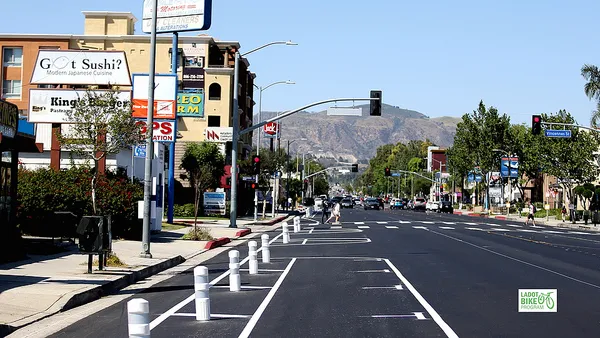
Los Angeles to Put Mobility Plan to Voters
The city has made almost no progress on the mobility plan it adopted in 2015. Now, voters will decide whether, and how, L.A. will have to follow through.
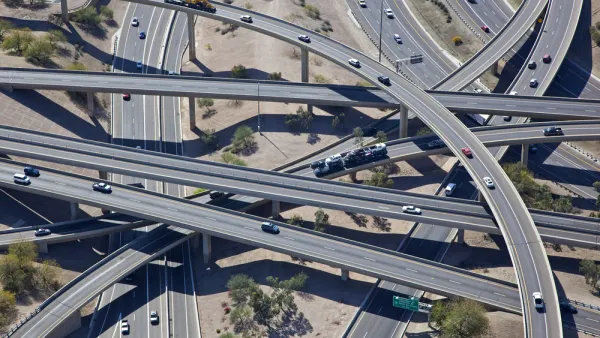
Do Highways Frustrate Mobility?
One common argument for highways is that even if they fail to reduce congestion, they allow people to go more places. This claim overlooks the effects of highways on development patterns.
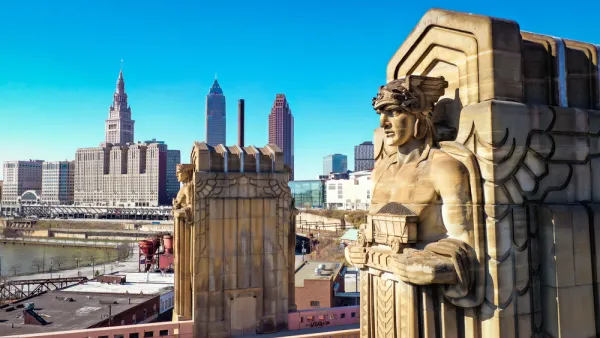
Cleveland Ready for Vision Zero
Cleveland is working to become the latest U.S. city to set a goal to eliminate traffic fatalities.
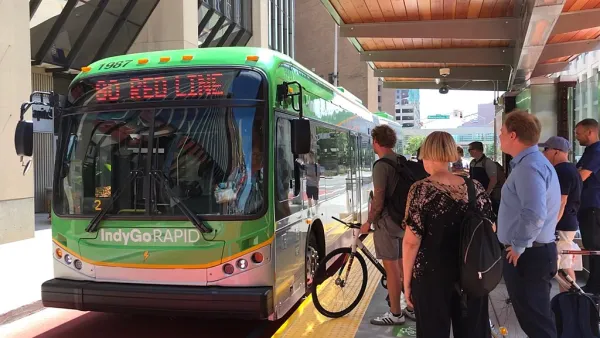
Bus Rapid Transit Costs More Than Double in Indianapolis
IndyGo is planning changes to the Blue Line. The city’s third bus rapid transit route is turning out to be much more expensive than originally expected.
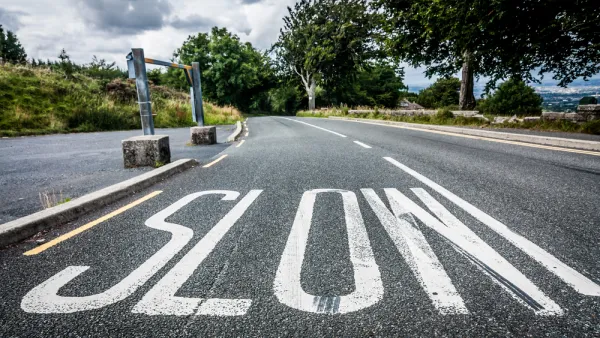
What Is Traffic Calming?
Traffic calming is a set of design interventions aimed at slowing or diverting car traffic to reduce the chance of crashes and improve safety for all road users.
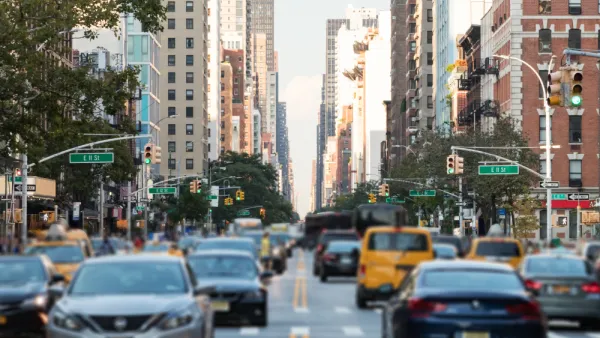
New Yorkers Weigh in on Congestion Pricing
Hundreds of people signed up to speak at the city’s first public meeting on the long-delayed plan to charge drivers entering Manhattan’s Central Business District.
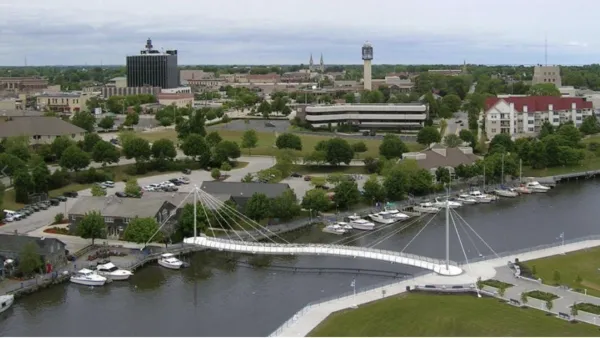
How Locals Are Planning to Spend $2.2 Billion in RAISE Transportation Grants, Part Two
Part two of a series of post providing specific information for 164 of the 166 projects recently awarded funding by the U.S. Department of Transportation's RAISE grant funding program.
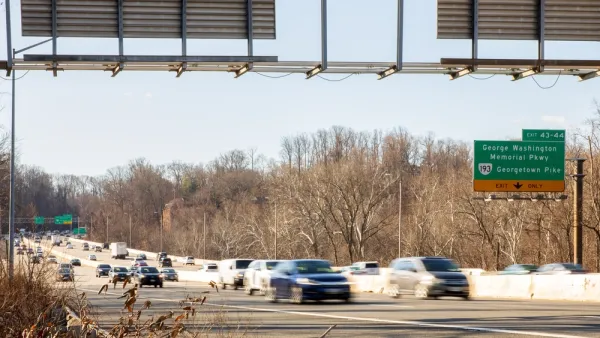
Maryland Toll Lane Plan Gains Federal Approval
In a victory for Governor Larry Hogan, who has championed the project, the Federal Highway Administration is allowing the Beltway expansion project to move ahead.
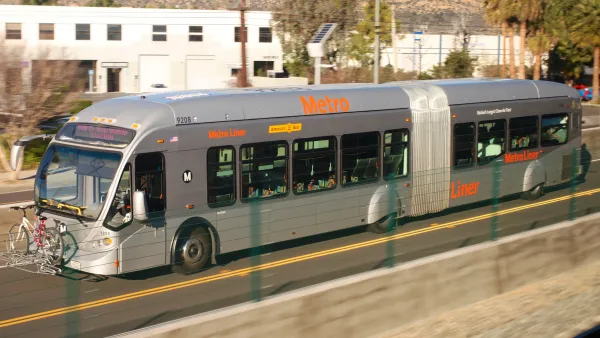
Funding for Two Transit Projects Approved for the Valley in Los Angeles
Local funding for a new light rail line and upgrades to the G Line (née Orange Line) bus rapid transit route have been approved for the San Fernando Valley in Los Angeles.
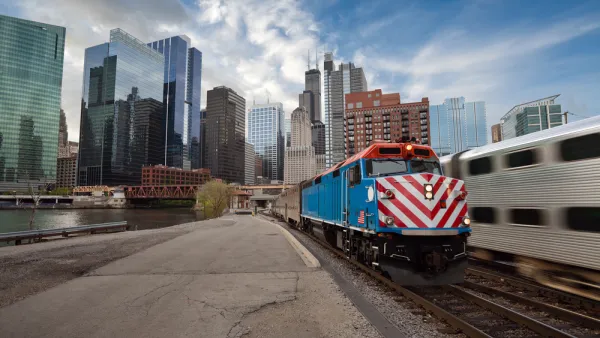
Alternative Railroad Electrification
Rather than building costly overhead electrification infrastructure to convert a Chicago-area commuter rail line from polluting diesel power to emission-free electricity, the Metra Board of Directors chose a far less expensive and quicker route.
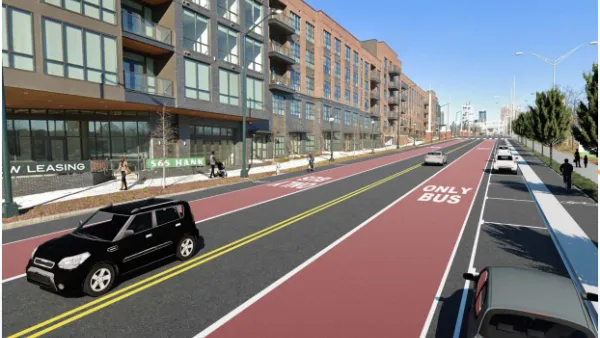
BRT Stations Cut, Project Delayed in Atlanta
Inflation is taking a bite out of planned transportation projects in Georgia. The state's first ever bus rapid transit project provides the latest example of scaled back ambitions.

Shared Mobility Ridership on the Rebound
Ridership on shared bike and scooter fleets showed numbers higher than before the pandemic in the second part of 2021, according to a new report.

The Unequal Impacts of Traffic Crashes
Rates of traffic deaths vary widely among racial and economic groups but continue to rise across the board.
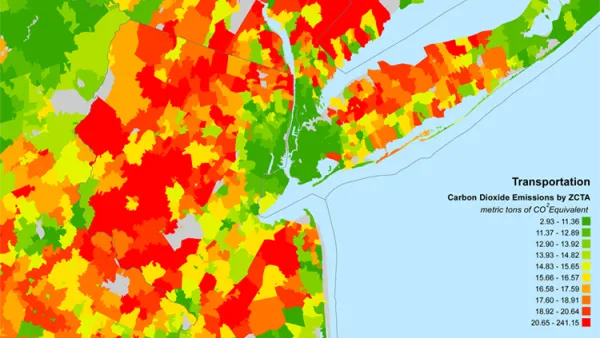
CoolClimate Policy Tools
The CoolClimate Network's Interactive Policy Tools calculate and compare the GHG reductions provided by various emission reduction policies. These tools can help households, businesses and communities identify the best emission reduction strategies.
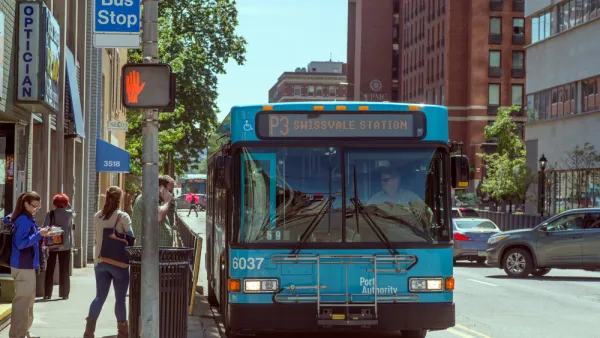
Pittsburgh Launches Guaranteed Basic Mobility Pilot
The program aims to improve access to jobs and economic opportunities for some of the city’s most underserved neighborhoods.
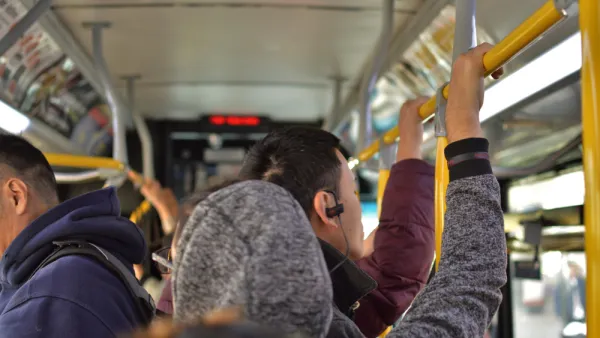
Report: Improved Service Key to Growing Bus Ridership
A NACTO report highlights the importance of bus-friendly policies and infrastructure for boosting ridership numbers and reducing urban congestion and pollution.
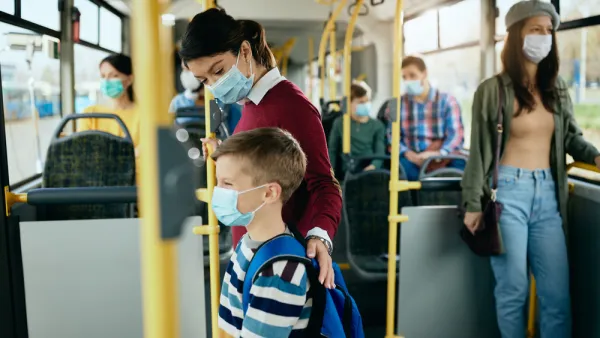
Opinion: Free Transit Opposition Is Tone Deaf
Critics of free transit programs argue that free fares may not decrease driving or fight climate change. Dr. Destiny Thomas explains why that argument ‘misses the point.’
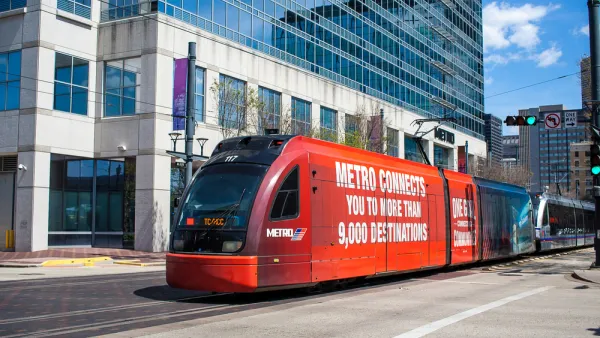
Houston Inches Toward Reduced Car Dependency
The city is investing more in biking, walking, and public transit, but a lack of funding and counterproductive moves from the Texas Department of Transportation are slowing the process of shifting away from personal automobile dependency.
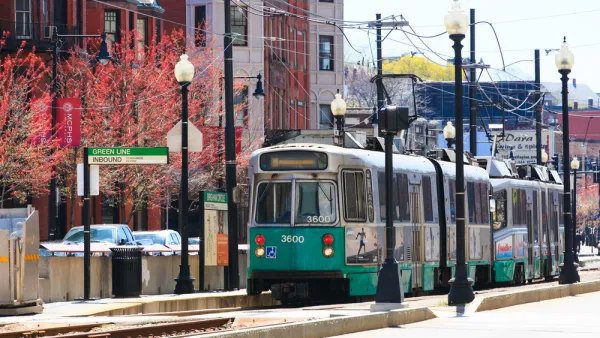
Massachusetts Releases Transit-Oriented Multifamily Housing Rules
Communities near transit stations will have to comply with a new set of regulations that support multifamily development and increased housing density.
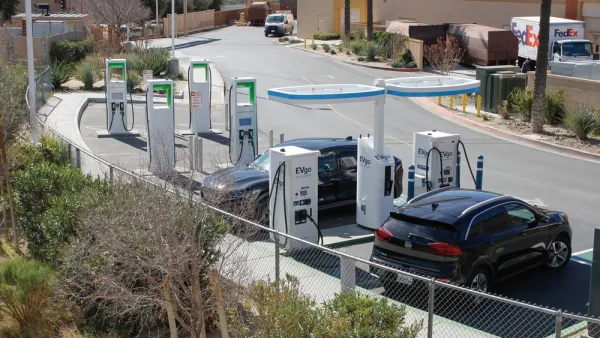
Electric Driving Is the Future; Now Is the Time to Price It
EVs are great, but they’re not perfect. Let’s end their free ride.

FREE Course: Walkable City 1: Why Walkability?
After describing his path towards focusing on walkability as the essence of good planning, Jeff Speck marches through his five principal reasons for making more walkable places.
Reinventing Malls: Planning Alchemy—Turning Gray Fields Into Gold
The course focuses on the opportunities and imperatives that shape reinvention of mall sites.

City of Rosemead
Rutgers University, Edward J. Bloustein School of Planning and Public Policy
One Hundred Miles
University of Michigan School for Environment and Sustainability (SEAS)
Hunter College, City University of New York (CUNY)
The Architects Foundation
City of Cambridge
The Pocatello Development Authority
The Urban Renewal Agency of the City of Pocatello









