Transportation
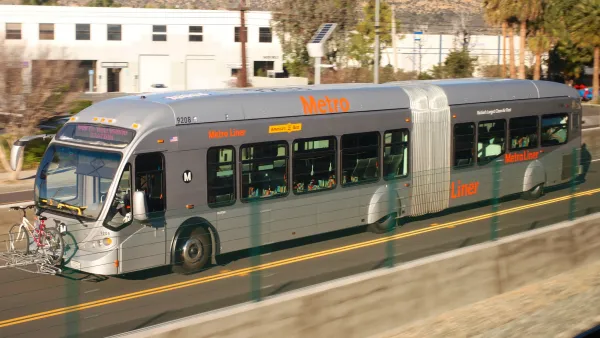
Funding for Two Transit Projects Approved for the Valley in Los Angeles
Local funding for a new light rail line and upgrades to the G Line (née Orange Line) bus rapid transit route have been approved for the San Fernando Valley in Los Angeles.
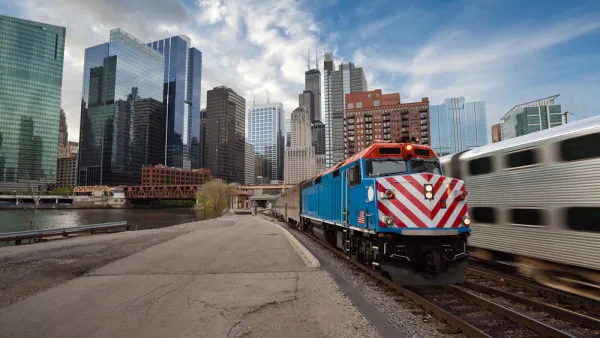
Alternative Railroad Electrification
Rather than building costly overhead electrification infrastructure to convert a Chicago-area commuter rail line from polluting diesel power to emission-free electricity, the Metra Board of Directors chose a far less expensive and quicker route.
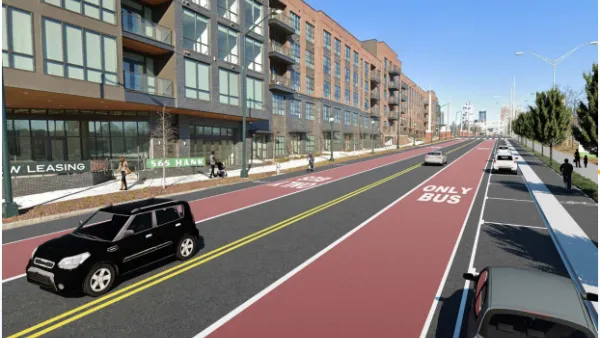
BRT Stations Cut, Project Delayed in Atlanta
Inflation is taking a bite out of planned transportation projects in Georgia. The state's first ever bus rapid transit project provides the latest example of scaled back ambitions.

Shared Mobility Ridership on the Rebound
Ridership on shared bike and scooter fleets showed numbers higher than before the pandemic in the second part of 2021, according to a new report.

The Unequal Impacts of Traffic Crashes
Rates of traffic deaths vary widely among racial and economic groups but continue to rise across the board.
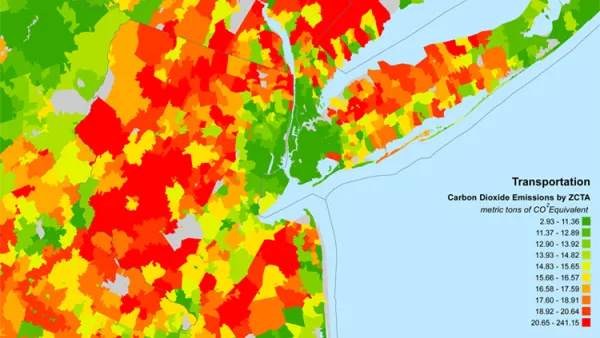
CoolClimate Policy Tools
The CoolClimate Network's Interactive Policy Tools calculate and compare the GHG reductions provided by various emission reduction policies. These tools can help households, businesses and communities identify the best emission reduction strategies.
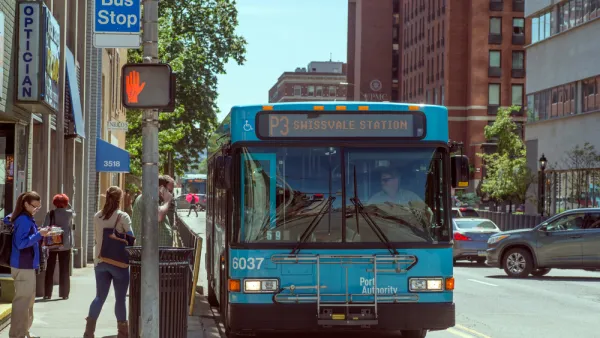
Pittsburgh Launches Guaranteed Basic Mobility Pilot
The program aims to improve access to jobs and economic opportunities for some of the city’s most underserved neighborhoods.
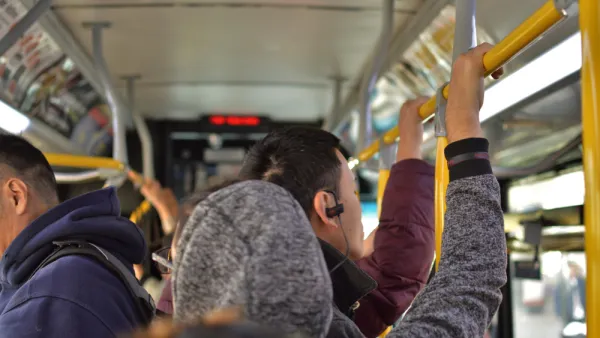
Report: Improved Service Key to Growing Bus Ridership
A NACTO report highlights the importance of bus-friendly policies and infrastructure for boosting ridership numbers and reducing urban congestion and pollution.

Opinion: Free Transit Opposition Is Tone Deaf
Critics of free transit programs argue that free fares may not decrease driving or fight climate change. Dr. Destiny Thomas explains why that argument ‘misses the point.’
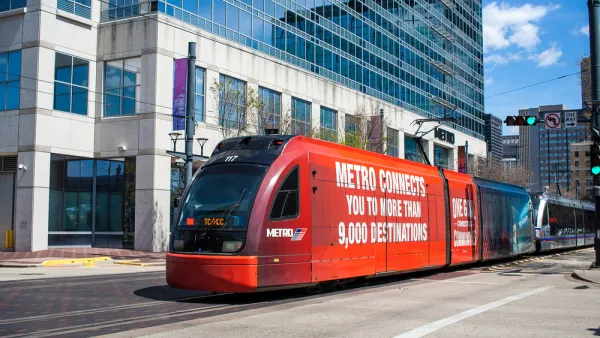
Houston Inches Toward Reduced Car Dependency
The city is investing more in biking, walking, and public transit, but a lack of funding and counterproductive moves from the Texas Department of Transportation are slowing the process of shifting away from personal automobile dependency.
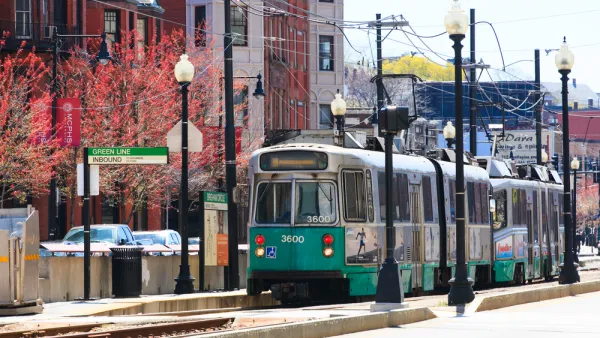
Massachusetts Releases Transit-Oriented Multifamily Housing Rules
Communities near transit stations will have to comply with a new set of regulations that support multifamily development and increased housing density.
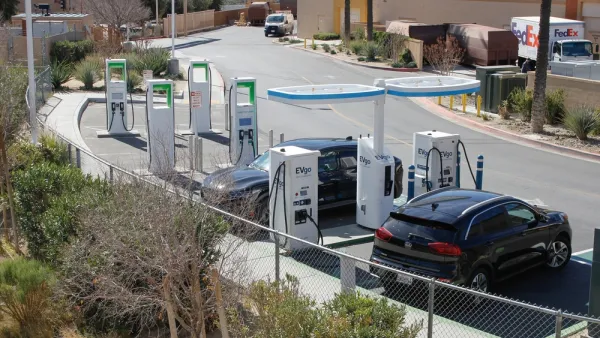
Electric Driving Is the Future; Now Is the Time to Price It
EVs are great, but they’re not perfect. Let’s end their free ride.
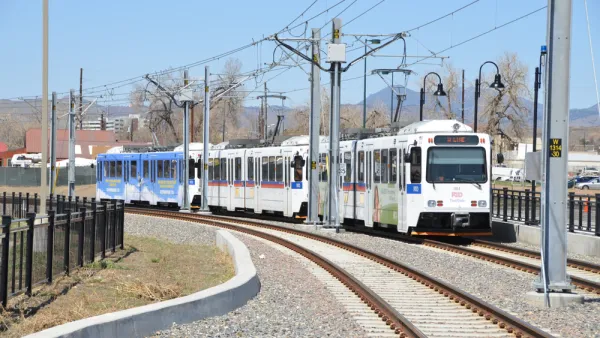
Commerce City Approves Transit-Oriented Development
An isolated train station north of Denver could become a hub of housing and commercial activity.
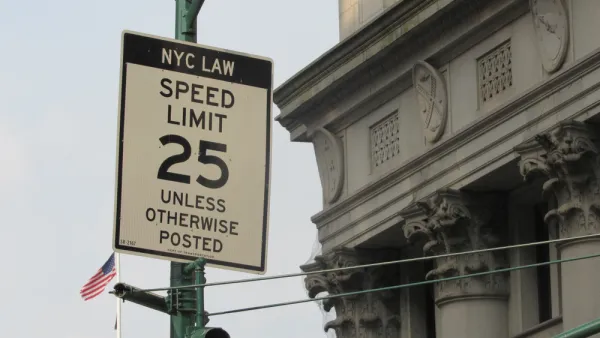
New York City To Test Speed Limiting Tech on City Vehicles
Advocates hope the city’s plan to install speed governors on part of its municipal fleet will prompt other cities and government agencies to follow suit.

Remote Work Is Here To Stay
Based on available data, working from home is likely to remain a popular option with a high percentage of workers, changing the ways and places Americans live, work, and travel.
How Locals Are Planning to Spend $2.2 Billion in RAISE Transportation Grants
The U.S. Department of Transportation earlier this month announced $2.2 billion in RAISE grants. The Biden administration has promised that the RAISE grant program will improve equity and sustainability in the nation's transportation systems.
Traffic Safety Has a Men Problem
Research from the Insurance Institute for Highway Safety paints a damning picture of the behavior of men behind the wheel of automobiles.
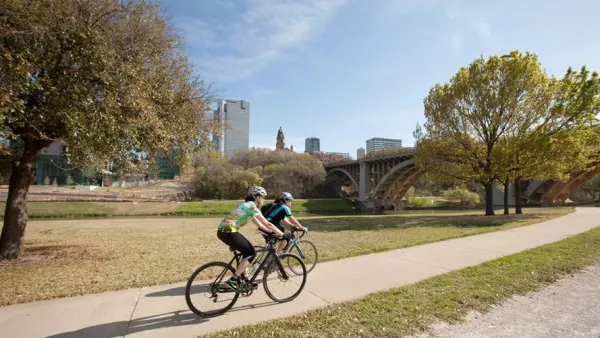
Dallas Names 66-Mile Bike and Walking Trail
When complete, the newly named DFW Discovery Trail will incorporate 50 miles of existing trails into a regional ‘super highway.’
Vision Zero Still a Pipe Dream as Road Deaths Continue to Climb
U.S. traffic fatalities hit a twenty-year peak in the first quarter of 2022.
Opinion: Los Angeles Transportation Plan Will Increase Driving
L.A. Metro’s plan to add hundreds of miles of new traffic lanes is projected to increase carbon emissions by 10 million metric tons.

FREE Course: Walkable City 1: Why Walkability?
After describing his path towards focusing on walkability as the essence of good planning, Jeff Speck marches through his five principal reasons for making more walkable places.
Reinventing Malls: Planning Alchemy—Turning Gray Fields Into Gold
The course focuses on the opportunities and imperatives that shape reinvention of mall sites.

KFH Group Inc.
Greater Baltimore Committee
Eagle County Government
The Architects Foundation
University of Cincinnati Online
The Pocatello Development Authority
The Urban Renewal Agency of the City of Pocatello