Transportation
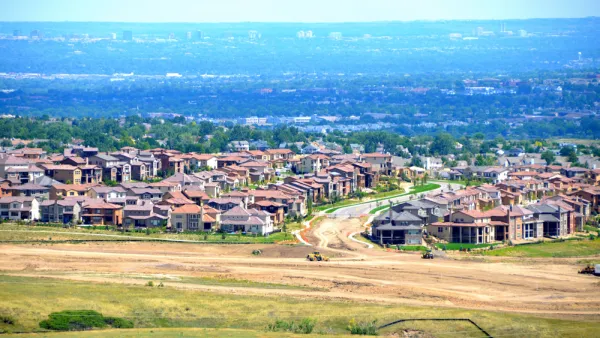
Connecting Land Use and Transportation Planning to Save the Climate
The United States will have to make major changes to long-standing land use and transportation paradigms to prevent the worst outcomes of climate change. How to make those changes was the subject of a recent podcast.
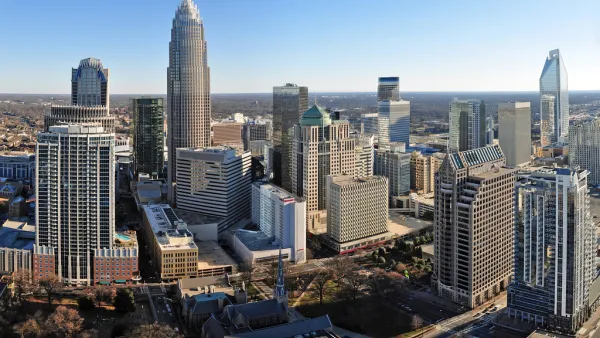
Charlotte Has No Plans To End Parking Minimums
The city’s latest revisions to its Unified Development Ordinance call for expanded parking requirements near residential neighborhoods.
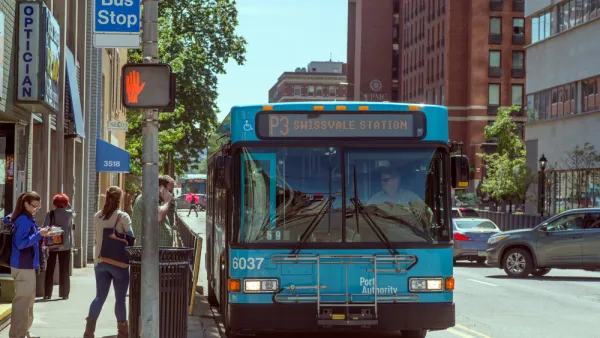
Pittsburgh Regional Transit Moves To Implement Long-Range Plan
After four years of delays, the agency is ready to implement a five-year plan setting the foundation for its long-term goals to improve and expand service.
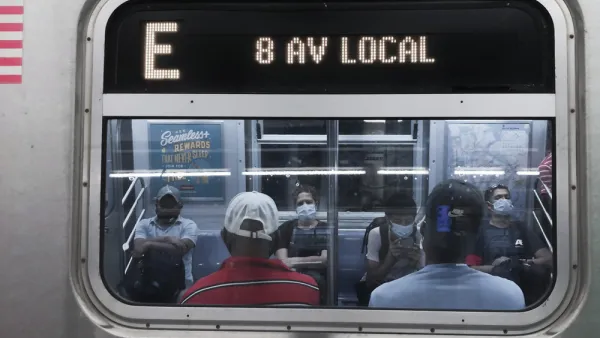
Transit Faces a Fiscal Cliff in New York City—Sooner Than Expected
It's like March 2020 all over again.
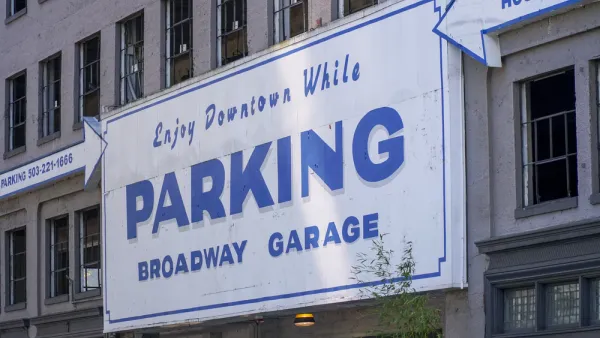
Oregon Makes Historic Parking Reforms. What’s Next?
The state made sweeping reforms that eliminate parking requirements in some jurisdictions, which supporters hope will lead to faster, less expensive construction and the revitalization of vacant properties and underused lots.
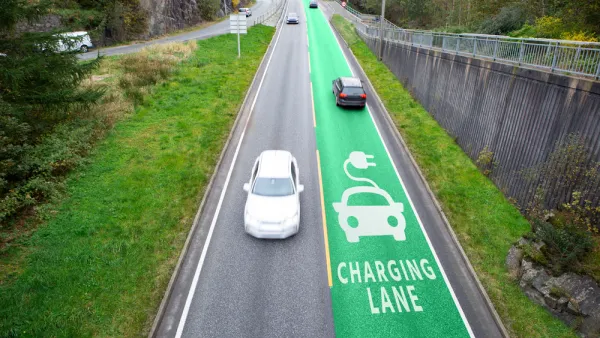
The Marriage of Technology and Road Infrastructure
The future of road infrastructure likely includes wireless electric charging, innovative construction materials, and more data collection. Will cities remember to prioritize pedestrian safety, too?
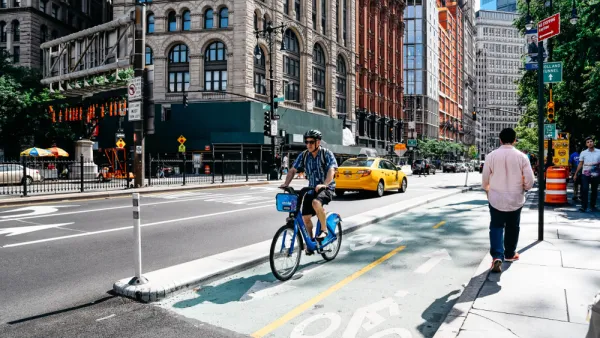
New York Could Use Cameras To Keep Drivers Out of Bike Lanes
A proposed state bill would permit New York City’s transportation department to install up to 50 cameras that would monitor bike lane violations, with drivers that block bike lanes facing a $50 fine.
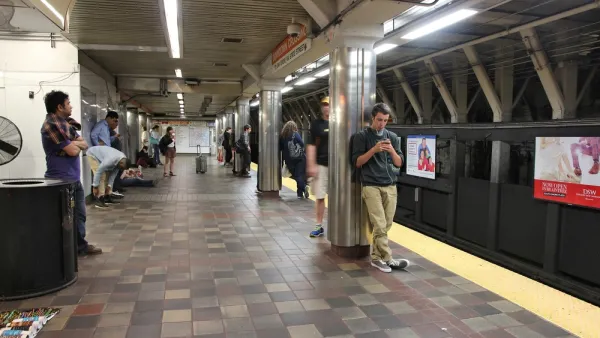
Opinion: Funding The T Should Be a Massachusetts State Priority
With ridership revenue still lagging and fatal incidents plaguing the Boston-area transit agency, one writer argues that state lawmakers must step in to fund upgrades for the aging system.
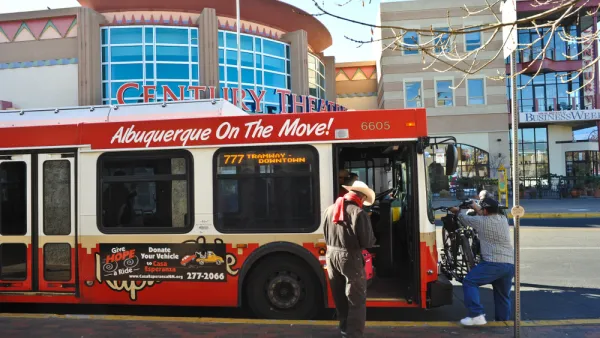
The State of America’s Free Transit Programs
Dozens of cities made public transit free during the pandemic. Can transit agencies sustain these programs?
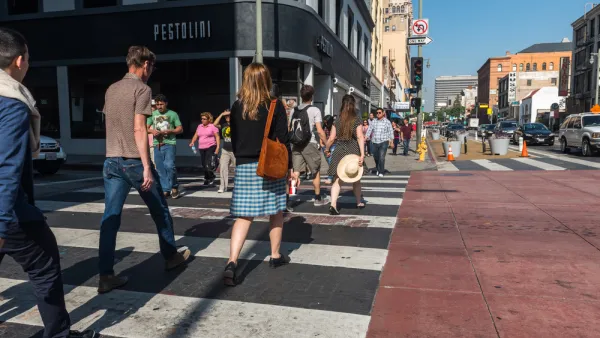
Could L.A. Be a 15-Minute City?
Advocates argue that even famously car-centric Los Angeles can become a place where residents can easily access their daily needs without getting behind the wheel.
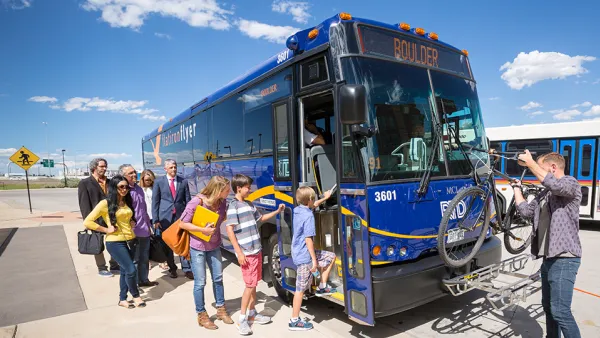
Boulder Launches ‘Zero Fare for Better Air’
The Colorado city will make public transit free during the month of August to boost ridership and reduce emissions.
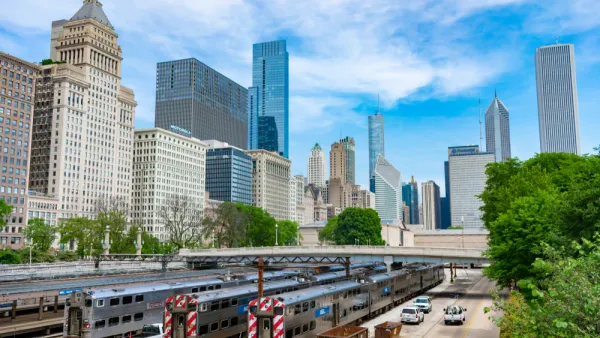
Chicago Passes Equitable TOD Ordinance
The new legislation will promote more development near transit in the city’s underserved neighborhoods and improve safety for pedestrians and other road users.
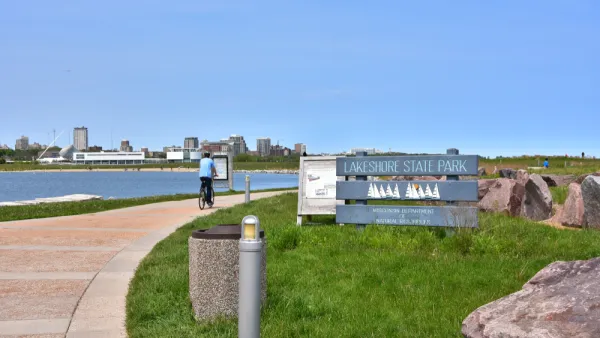
After Repealing Complete Streets, Wisconsin Falls to 29th Most Bike-Friendly State
Despite a rise in bicycling by residents, Wisconsin has dedicated disappointingly low amounts of funding and resources to bike infrastructure.
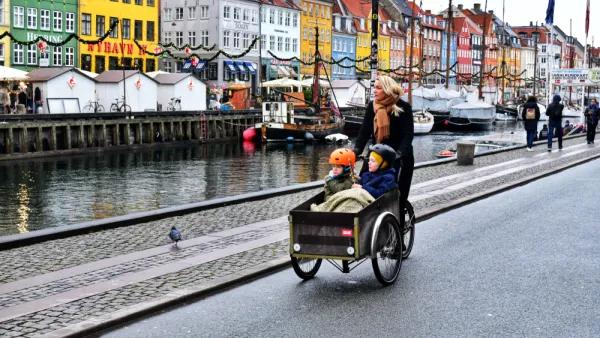
How Cargo Bikes Can Help Women
Cargo bikes have proven an effective transport mode in cities around the world, but American women still hesitate to use them, citing safety concerns.
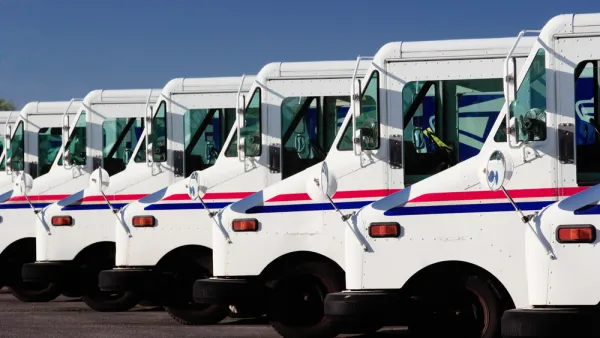
Postal Service Commits to Electrifying Half its New Fleet
In the wake of condemnation from environmental groups, the USPS revised its plan to replace its gas-powered fleet of trucks.
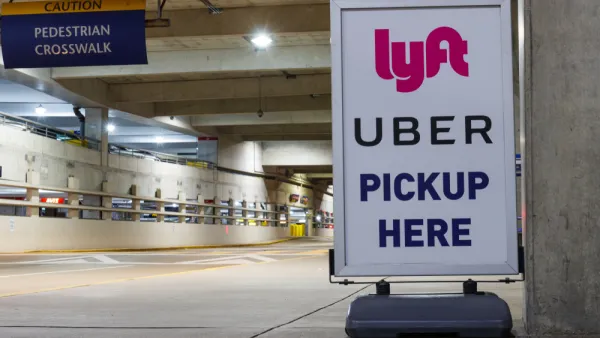
Uber and Lyft Ridership Remains Low in Massachusetts
High prices, labor issues, and legal blunders plague the transportation network companies, who are increasingly shifting to deliveries over rides.
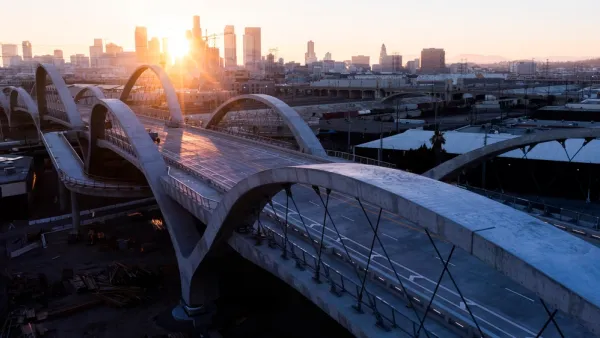
L.A.’s 6th Street Bridge Bike Lane Disappoints
Bike and pedestrian infrastructure on the much-anticipated new bridge leaves much to be desired, according to advocates.
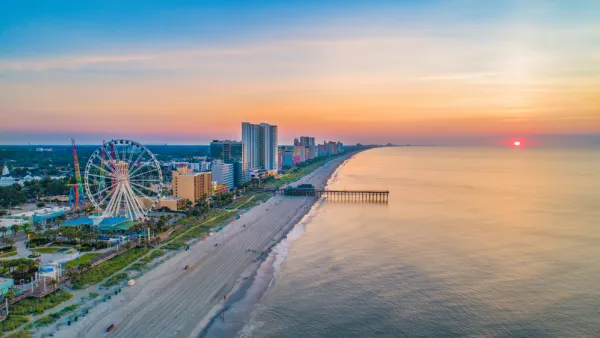
South Carolina Town Blames Free Buses for Rise in Unhoused Population
City officials in North Myrtle Beach argue that a free transit program has led to a rise in the town’s homelessness rate.

Vermont Program Encourages Walking for Grocery Trips
A Burlington program is using grocery trolleys to remind residents that, for many of them, a grocery store is less than a mile away.
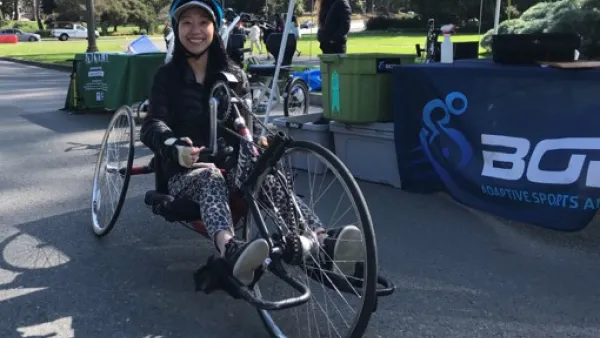
San Francisco Launches Adaptive Cycling Program
The program offers a variety of adaptive bikes at no charge to people with disabilities.

FREE Course: Walkable City 1: Why Walkability?
After describing his path towards focusing on walkability as the essence of good planning, Jeff Speck marches through his five principal reasons for making more walkable places.
Reinventing Malls: Planning Alchemy—Turning Gray Fields Into Gold
The course focuses on the opportunities and imperatives that shape reinvention of mall sites.

City of Rosemead
Rutgers University, Edward J. Bloustein School of Planning and Public Policy
One Hundred Miles
University of Michigan School for Environment and Sustainability (SEAS)
Hunter College, City University of New York (CUNY)
The Architects Foundation
City of Cambridge
The Pocatello Development Authority
The Urban Renewal Agency of the City of Pocatello









