Transportation
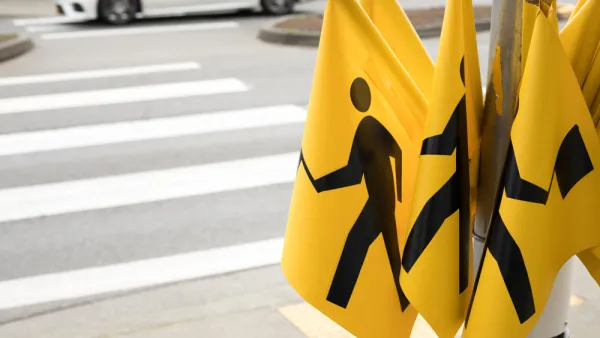
States Diverting Federal Road Safety Funds
Despite a nationwide rise in traffic fatalities, almost half of U.S. states have transferred federal road safety dollars to other projects.
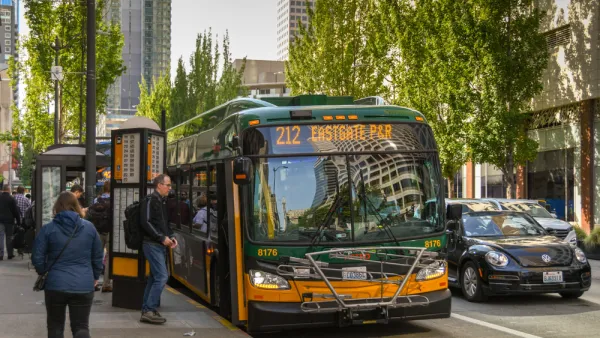
Seattle Transit Winning Back Riders Faster Than Ridehailing
Ridehailing companies saw a steep drop in ridership in the city during the pandemic, followed by a slow recovery as their prices increase and demand slows.
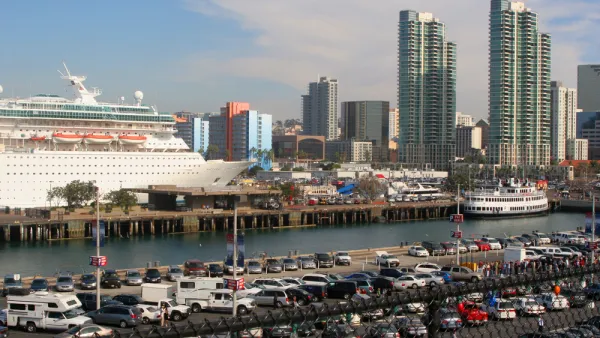
California Coastal Commission Nixes Parking Reforms Intended to Spur ADUs in San Diego
Environmental causes run into conflict with zoning reforms intended for environmental benefit once again, as the California Coastal Commission requires San Diego to reinstate parking requirements for ADUs.
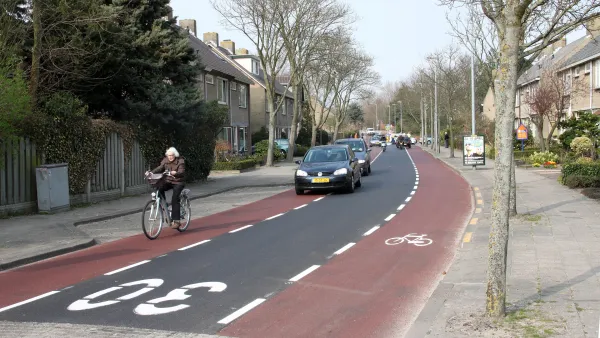
Pittsburgh Debuts ‘Advisory’ Bike Lane
The design uses a central traffic lane and adjacent two-way bike lanes to prioritize people on bikes on a popular cycling route.
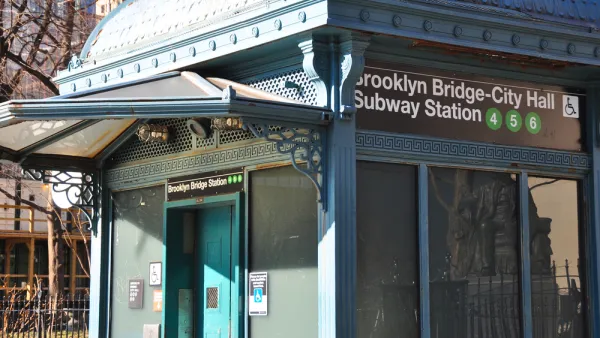
New York City Subway Pledges To Increase Accessibility
After two lawsuits, the New York subway system has announced a 33-year timeline for making 95 percent of its stations fully accessible.

Seattle Traffic Deaths Rose Again in 2022
Despite a commitment to eliminating traffic deaths by 2030, 2022 is shaping up to be the deadliest year in more than a decade.
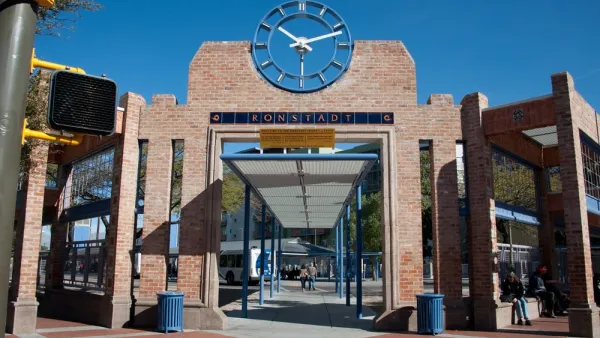
Tucson Extends Free Transit To End of Year
After eliminating transit fares in 2020, the city of Tucson is exploring ways to fund a permanent program.
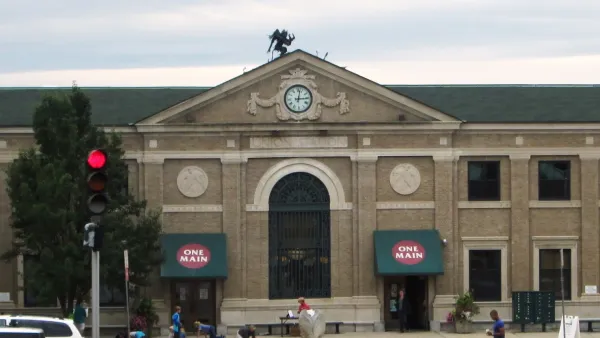
After Seven Decades, Burlington-to-New York City Train Returns
Starting in July, Amtrak will begin running a daily passenger train between Vermont and New York City.
Transit Agencies Adjusting to New Realities
As transit ridership remains tepid around the country, transit agencies are looking to diversify their funding sources and become less reliant on farebox revenue.
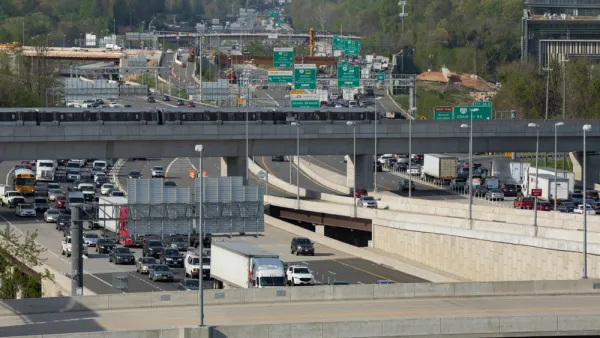
D.C. Region Sets Goal to Reduce GHG Emissions From Transportation 50% by 2030
Transportation is the largest source of greenhouse gas emissions in the D.C. region—and the rest of the country. The D.C. region is committing to drastic actions to change their ways, however.
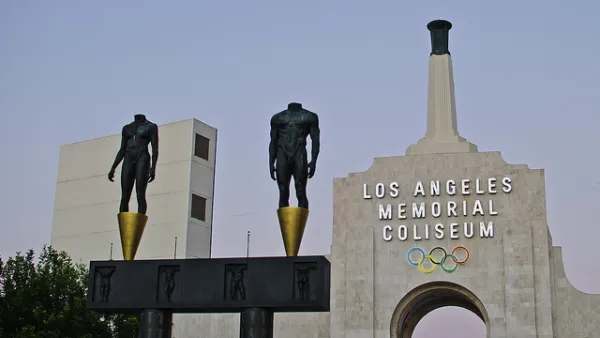
L.A. Seeking Funding for New Transit Projects Prior to the 2028 Summer Olympics
Los Angeles officials have been working for years to deliver a suite of transit projects in time for the 2028 Olympics. Planners now hope federal infrastructure funding could reinvigorate the effort.
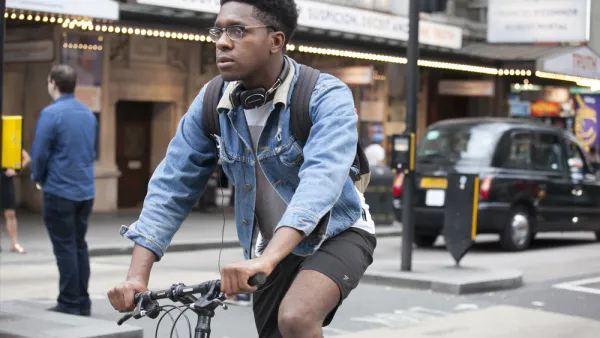
Black Cyclists Dying at Alarmingly High Rates
New data reveals that Black cyclists, despite riding fewer miles than their White counterparts, die more than four times as often on American roads.
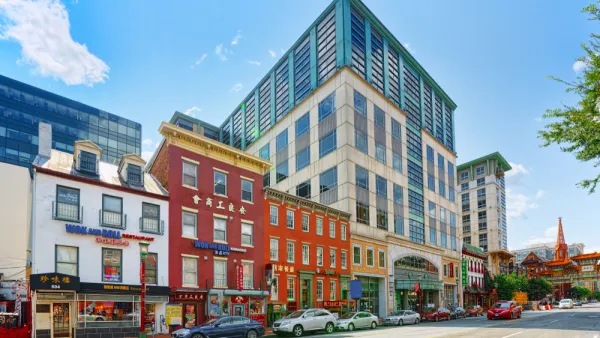
How Historic Inequity Shapes D.C.’s Transit-Oriented Development
A series of articles traces the history and policies behind Washington, D.C.’s efforts to promote equitable transit-oriented development.
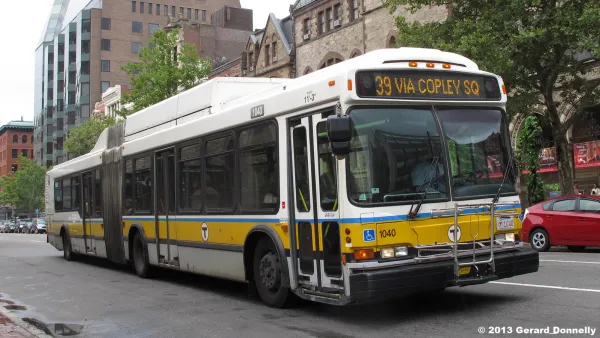
Free Transit Is Not a Silver Bullet
Cities around the country are embracing free fares to lure riders back to public transit, but the ridership recovery continues to sputter.

How Safe Are Autonomous Vehicles?
Federal regulators are just starting to gain an understanding of how vehicles with automation systems impact traffic safety.
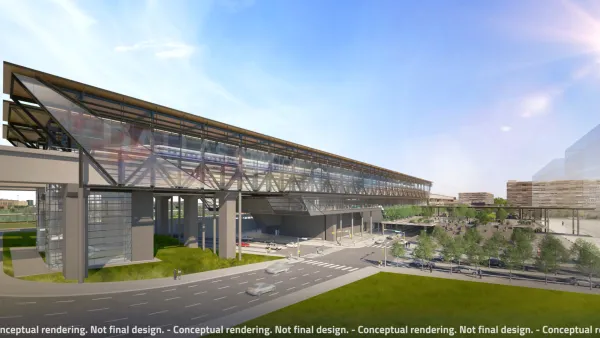
Central Texas Bullet Train Loses Steam
A proposed bullet train project between Houston and Dallas may have stalled for the last time as the Texas Central Railway CEO steps down.
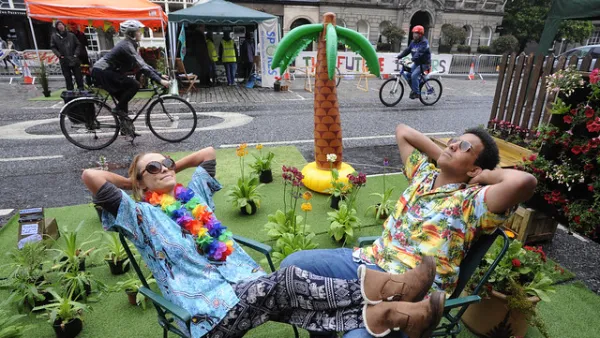
What Is Tactical Urbanism?
Tactical urbanism, one of the most common buzzwords in planning over the past decade, describes a variety of low-cost, incremental public realm design interventions.
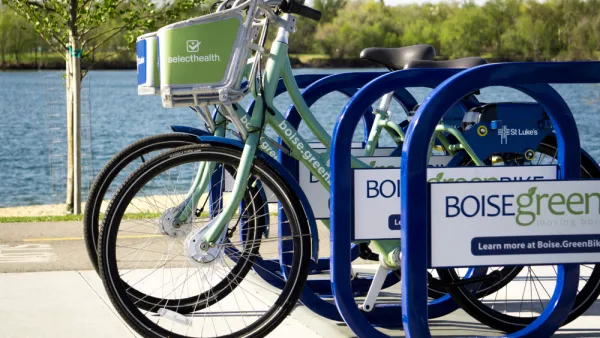
Boise To Launch Shared E-Bike Pilot
After the city nixed its bike share program due to the pandemic and other issues, a fleet of 50 electric bicycles will be available to Boise residents and visitors from July until the end of October.
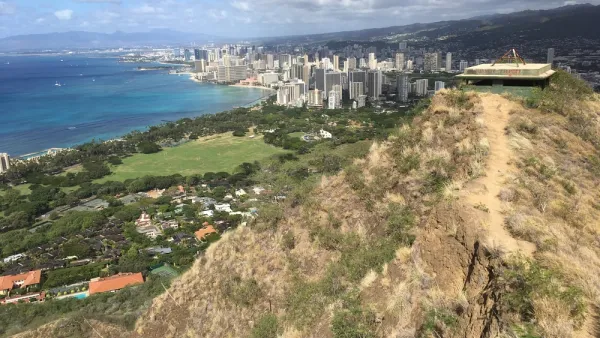
Fighting for Their Future: Hawai’i Kids Sue State Over Greenhouse Gas Emissions
A group of Hawai’ian youth is suing the state’s Department of Transportation, claiming that Hawai’i’s transportation system contributes to climate change and the destruction of homes and cultural traditions.
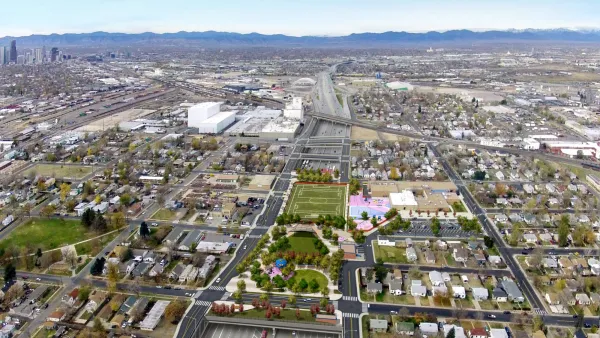
I-70 Expansion—Toll Lanes and Cap Park Included—Wrapping Up in Denver
The Central 70 Project is well underway in Denver, with a public-private partnership completing major changes to the interstate freeway where it cuts through the city.

FREE Course: Walkable City 1: Why Walkability?
After describing his path towards focusing on walkability as the essence of good planning, Jeff Speck marches through his five principal reasons for making more walkable places.
Reinventing Malls: Planning Alchemy—Turning Gray Fields Into Gold
The course focuses on the opportunities and imperatives that shape reinvention of mall sites.

City of Rosemead
Rutgers University, Edward J. Bloustein School of Planning and Public Policy
One Hundred Miles
University of Michigan School for Environment and Sustainability (SEAS)
Hunter College, City University of New York (CUNY)
The Architects Foundation
City of Cambridge
The Pocatello Development Authority
The Urban Renewal Agency of the City of Pocatello









